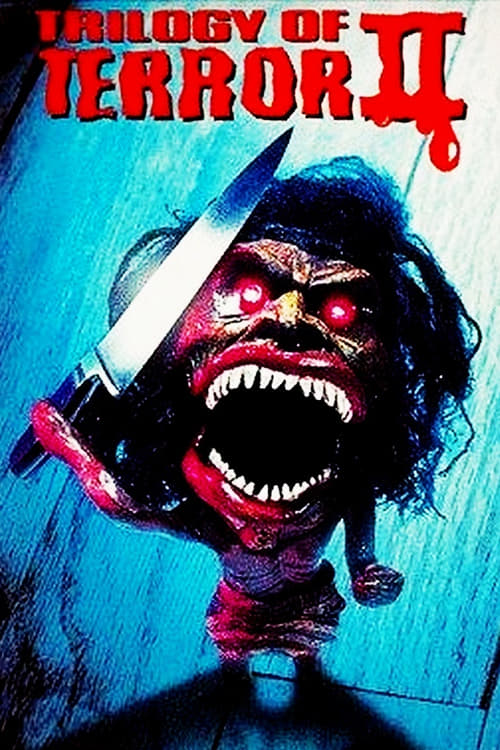
Trilogy of Terror II
1996
No user ratings available yet
Representation score: 3.4 out of 10
Representation Score
Limited
1969
UnratedDirector
Steven Spielberg, Barry Shear, Boris Sagal
Runtime
98 minutes
Average Rating
No ratings yetNew Showbiz Analysis
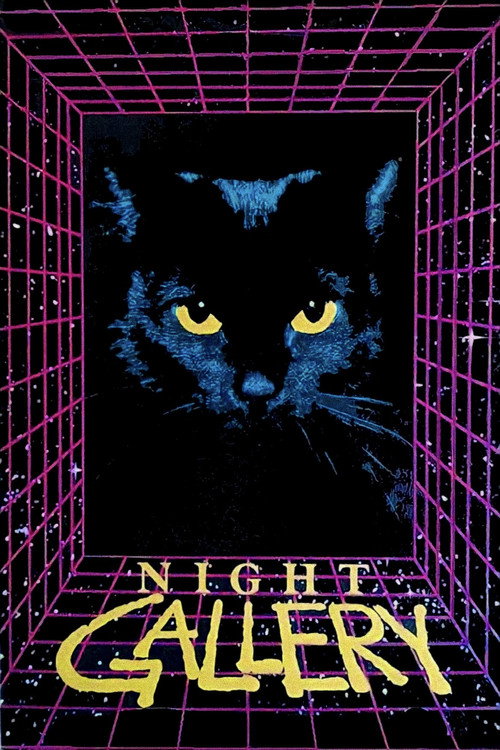
Night Gallery presents a series of separate psychological and supernatural stories. It emphasizes individual fear and the strange over critiquing social structures or exploring diverse identities. The show follows the traditional hierarchy of 1960s television, focusing on fragmented realities and visual suspense rather than multi-layered themes. Ultimately, the film reflects its time, favoring the unsettling and unreliable narrator over progressive social commentary.
Category Breakdown
The anthology doesn't include any clear LGBTQ+ stories or characters who don't identify as cisgender. The segments focus on universal fears like death and obsession, sticking to the assumption that everyone is straight or cisgender.
The stories follow typical genre clichés, often putting female characters in vulnerable or psychologically troubled roles. The work doesn't challenge the dominance of male authority.
The casting reflects the era's mostly white, Anglo-Saxon population. There are no central characters from non-white backgrounds.
Religious symbols are used to create a sense of horror rather than moral lessons. The film doesn't actively question Western institutions or organized religion.
Disabilities and neurodivergence are rarely shown as part of everyday life. Mental health issues are mainly used to create suspense and horror.
Present on Screen
Limited or Absent
Official Synopsis
This anthology telefilm aired on NBC on November 8, 1969, and tells three strange tales: "The Cemetery," directed by Boris Sagal; "Eyes," directed by Steven Spielberg; and "The Escape Route," directed by Barry Shear. This film also served as a backdoor pilot for the TV series of the same name, which premiered on December 16, 1970.
1996

1963
1975
1945
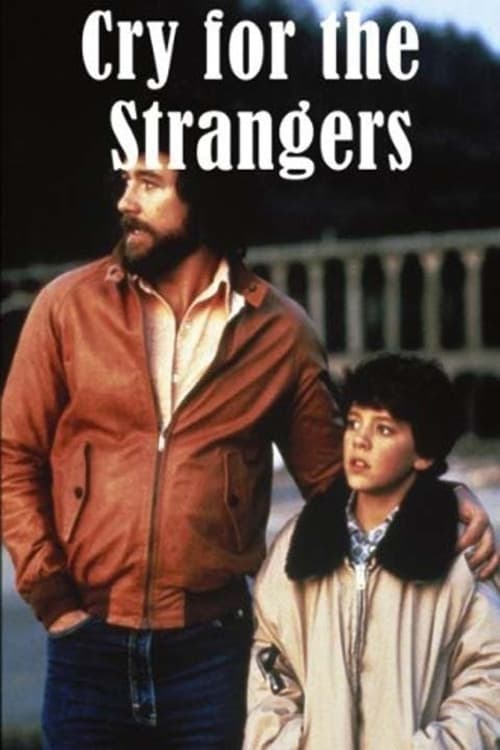
1982
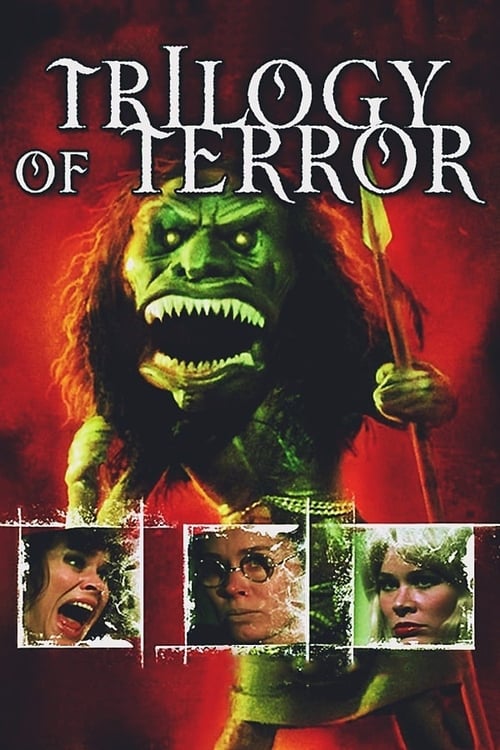
1975
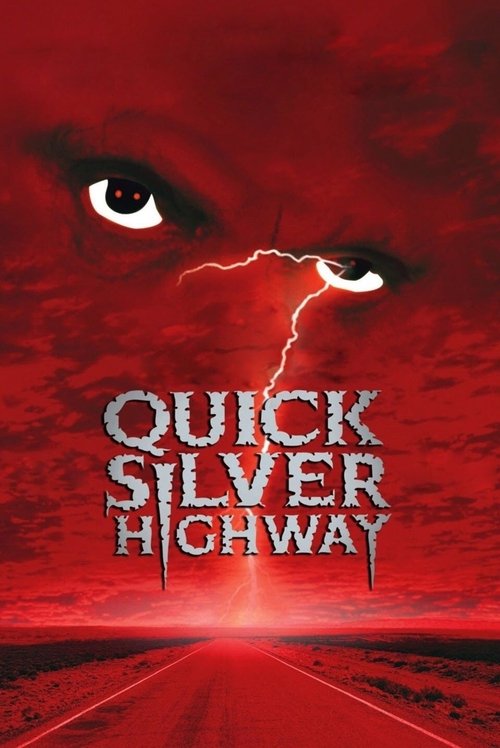
1997
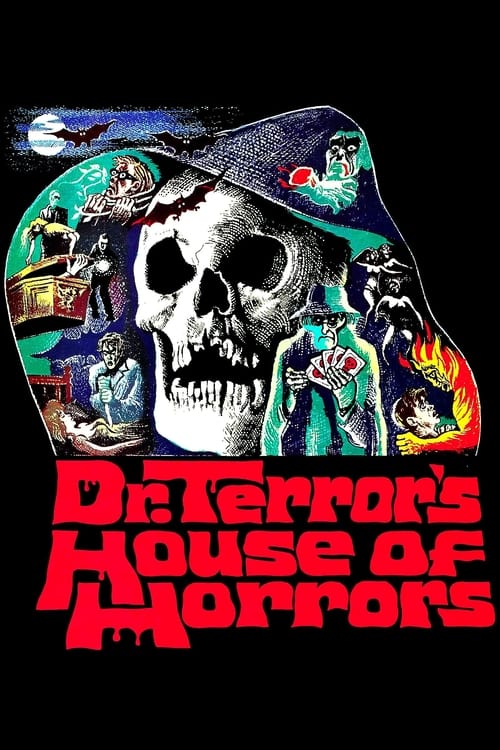
1965
No reviews yet. Be the first to share your thoughts on this movie!
Use the rating form above to leave a star rating and optional review.