Bay Coven
1987
No user ratings available yet
Representation score: 2.5 out of 10
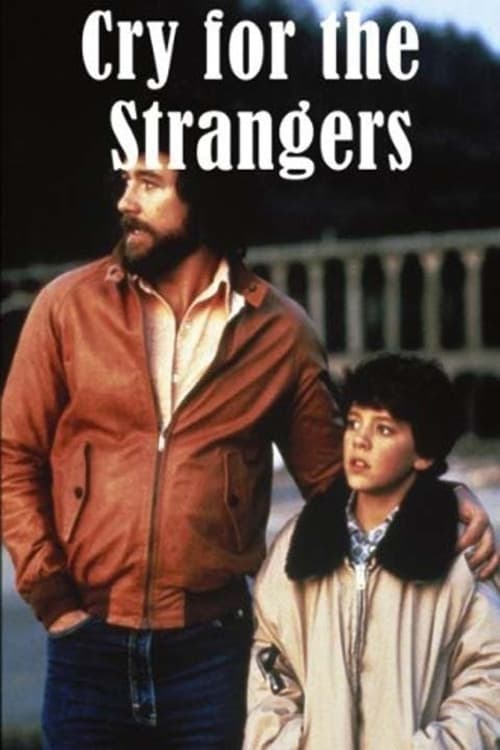
Representation Score
Limited
1982
Not RatedDirector
Peter Medak
Runtime
97 minutes
Average Rating
No ratings yetNew Showbiz Analysis
Cry for the Strangers is a conventional 1980s genre thriller that prioritizes atmospheric dread and suspense over social deconstruction. The narrative follows a standard outsider-versus-community cliché, focusing on a psychiatrist entering an insular coastal town. The film adheres to the cinematic norms of its era, emphasizing traditional domesticity and power dynamics. While it uses folklore as a plot engine, it lacks evidence of diverse or non-traditional character perspectives. Ultimately, the work functions as a localized struggle between science and superstition, offering little in the way of diverse or non-traditional character perspectives.
Category Breakdown
The story focuses on a marriage between Brad Russell and his wife, with no indication of LGBTQ+ identities or narratives that challenge traditional social structures.
The male protagonist leads the investigation, while the female character is portrayed through traditional gender roles centered around domesticity and marital peace.
The plot incorporates an ancient Indian legend as a central device. However, this motif risks using indigenous culture as an atmospheric backdrop without giving characters of color significant roles.
The film relies on Western storytelling clichés, pitting modern science against local superstition. It reinforces traditional social values centered on marriage and individual stability.
The narrative does not include characters dealing with physical, neurodivergent, or mental health conditions in a way that suggests intentional representation.
Present on Screen
Limited or Absent
Official Synopsis
The little coastal town of Clark's Harbor seems like the perfect place for psychiatrist Brad Russell and his wife to get a little peace and spend more time with each other. But the locals don't seem very friendly and every time a storm rolls in another mysterious death occurs... Could an ancient Indian legend of ghostly tribes and human sacrifice have anything to do with it?
1987

1975
1992

1989
2002
1980

1978
1978
No reviews yet. Be the first to share your thoughts on this movie!
Use the rating form above to leave a star rating and optional review.