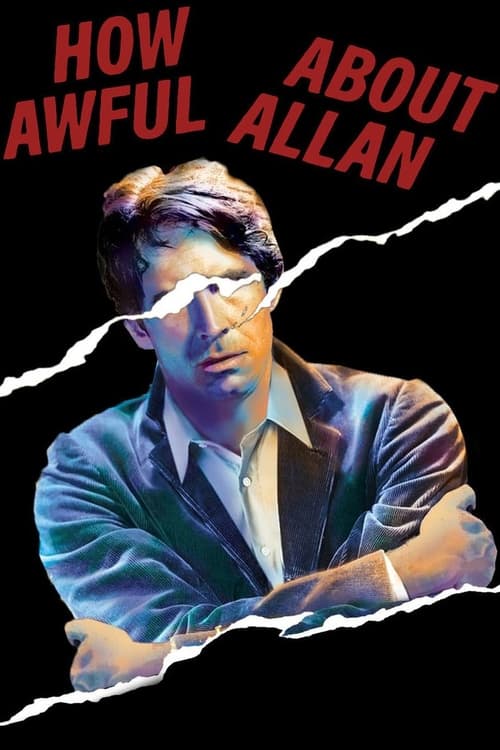
How Awful About Allan
1970
No user ratings available yet
Representation score: 4.3 out of 10
Representation Score
Limited
1975
Director
Curtis Harrington
Runtime
74 minutes
Average Rating
No ratings yetNew Showbiz Analysis
Curtis Harrington’s work emphasizes atmosphere and dream-like logic over social representation. While the film’s avant-garde approach disrupts standard genre formulas, it does not use this stylistic disruption to advance inclusive narratives. The production remains tied to the demographic and social constraints of its era. This results in a film that feels aesthetically innovative but remains demographically traditional and homogeneous.
Category Breakdown
The film follows a traditional approach regarding sexual orientation, with no explicit LGBTQ+ characters or storylines that question the assumption that everyone is straight or cisgender.
Female characters are mainly defined by psychological fear and reactive confusion. They lack the narrative role to drive the plot or challenge traditional gender roles.
The cast is predominantly white, reflecting the production context of 1970s independent horror. The setting functions as a homogeneous social unit without considering multiple aspects of identity.
The film's surrealist structure deviates from traditional moralizing but does not actively promote secularism or deconstruct Western institutions.
There is no significant evidence of characters with visible or invisible disabilities. The narrative focuses on psychological states rather than the lived experiences of those with impairments.
Present on Screen
Limited or Absent
Official Synopsis
In the 1930s, a sailor, trying to prove that his brother was wrongly executed for murder, finds himself becoming drawn into the occult.
1970

1975
1982
1939
1969
1943
1987
1943
No reviews yet. Be the first to share your thoughts on this movie!
Use the rating form above to leave a star rating and optional review.