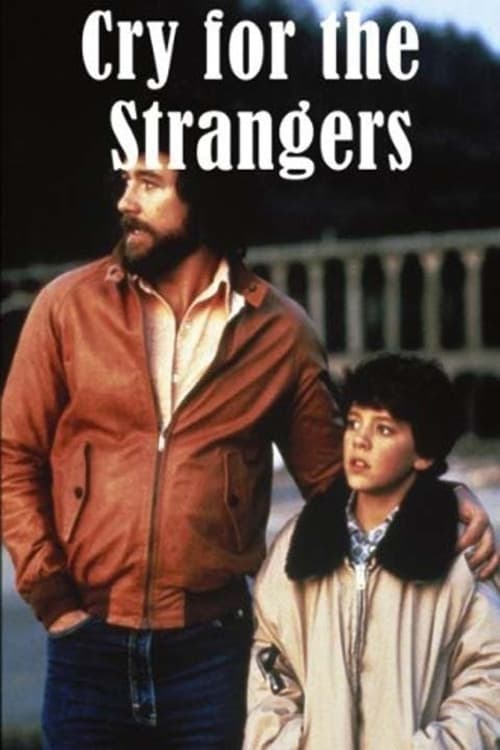
Cry for the Strangers
1982
No user ratings available yet
Diversity score: 3.4 out of 10

1996
RDirector
Dan Curtis
Runtime
90 minutes
Average Rating
No ratings yetSynopsis
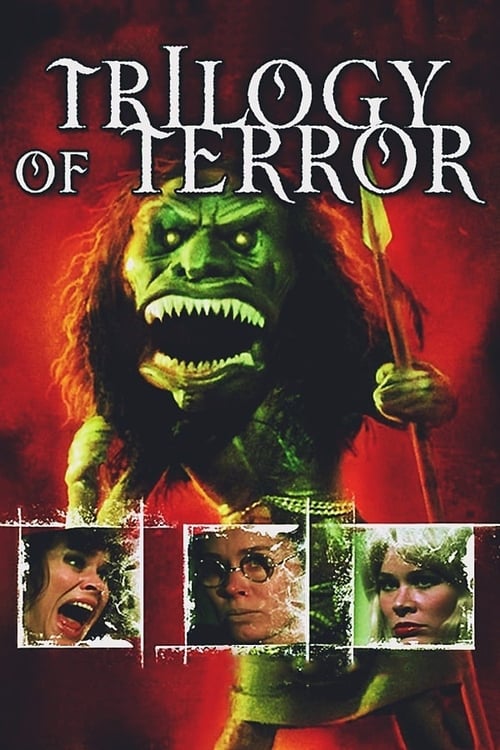
Three tales of terror: in "The Graveyard Rats" lovers murder the woman's older husband and encounter horror when they attempt to rob his grave; "Bobby" is the story of a woman who summons her son back from the dead; and in "He Who Kills" an African doll goes on a murderous rampage.
Overall Score
Limited
Category Breakdown
LGBTQ+ Representation
The film lacks LGBTQ+ characters or narratives. The romantic elements in 'The Graveyard Rats' focus on a traditional heterosexual pairing, offering no critique of heteronormativity.
Gender Representation
Female agency is central to 'Bobby' and 'The Graveyard Rats.' Women drive the supernatural and criminal plots, though these actions serve horror tropes rather than systemic subversion.
Racial & Ethnic Diversity
Representation is limited and potentially problematic. The use of an African doll as a murderous antagonist risks reinforcing colonialist tropes by associating non-Western artifacts with unprovoked violence.
Religious & Cultural Diversity
The anthology explores moral transgression and social norm violations. However, it lacks a concerted critique of Western institutions, operating instead within established genre boundaries.
Disability Representation
There is no evidence of characters with physical, sensory, or neurodivergent disabilities within the film's segments.
Strengths
Areas for Improvement
AI Analysis
Trilogy of Terror II is a traditional horror anthology that prioritizes supernatural suspense over social deconstruction. While it provides instances of female-driven narratives, these are framed through criminal or grief-stricken lenses rather than progressive empowerment. The film's approach to diversity is largely conventional. It relies on established genre tropes, such as the 'othering' of cultural artifacts in 'He Who Kills,' which prevents a more nuanced exploration of racial or ethnic identity. Ultimately, the work lacks intersectional depth. It functions as a collection of isolated vignettes that do not challenge systemic hierarchies or provide meaningful representation for marginalized groups.
1982
1975

1997

1969
1972

1974

2007
1975
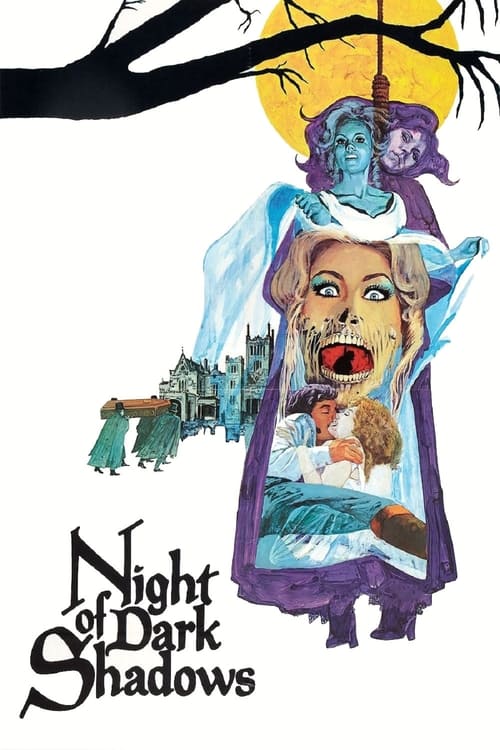
1971
No reviews yet. Be the first to share your thoughts on this movie!
Use the rating form above to leave a star rating and optional review.