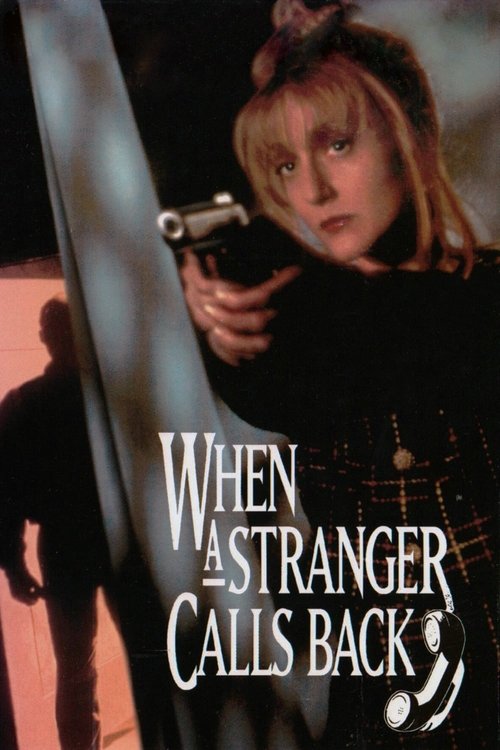
When a Stranger Calls Back
1993
No user ratings available yet
Representation score: 0.8 out of 10
Representation Score
Minimal
1972
Director
Philip Leacock
Runtime
73 minutes
Average Rating
No ratings yetNew Showbiz Analysis
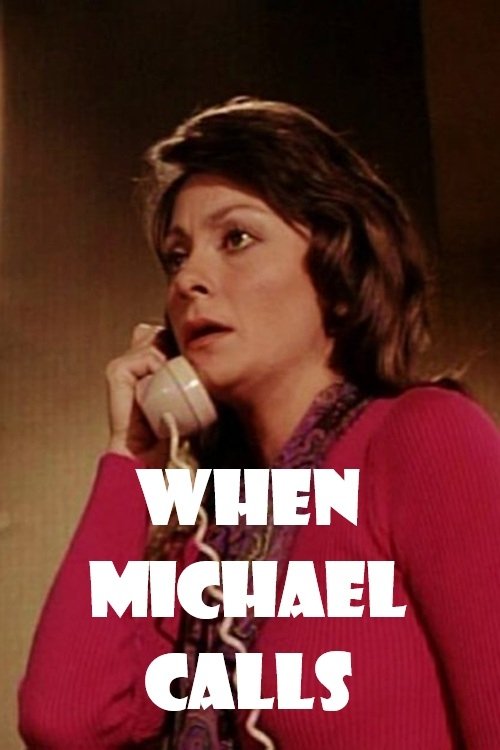
When Michael Calls is a conventional 1972 supernatural thriller that reflects the demographic norms of its era. The narrative focuses on a localized family unit, which limits the scope for diverse or characters who reflect more than one aspect of diversity. While the film provides a central female protagonist, the characterization remains within traditional 1970s gender frameworks. The story prioritizes genre-driven suspense and ancestral guilt over challenging systemic norms. Ultimately, the production functions as a standard period piece. It lacks the narrative structure to challenge systemic norms or include meaningful representation for underrepresented groups.
Category Breakdown
The film does not include any LGBTQ+ characters or narratives. It follows a traditional supernatural thriller framework focused on familial trauma rather than exploring queer identities.
A female protagonist drives the narrative, providing some influence. However, her role remains within the period-typical domestic or victimized frameworks common in 1970s teleplays.
The story focuses on a specific family lineage, suggesting a homogeneous cast. There is no evidence of diverse racial identities or multi-layered casting.
The plot relies on clichés of ancestral guilt and family sanctity. It lacks secularist or anti-Western themes, adhering to traditional morality within the thriller genre.
No characters with visible or invisible disabilities are portrayed with real influence. The deceased nephew serves as a supernatural device rather than a representation of disability.
Present on Screen
Limited or Absent
Official Synopsis
A woman begins to receive ominous phone calls from her nephew, who died 15 years earlier. With each phone call, a family member dies. Will she be the next in line?
1993

1974

1977
1979
1982

1960
1974
2006
No reviews yet. Be the first to share your thoughts on this movie!
Use the rating form above to leave a star rating and optional review.