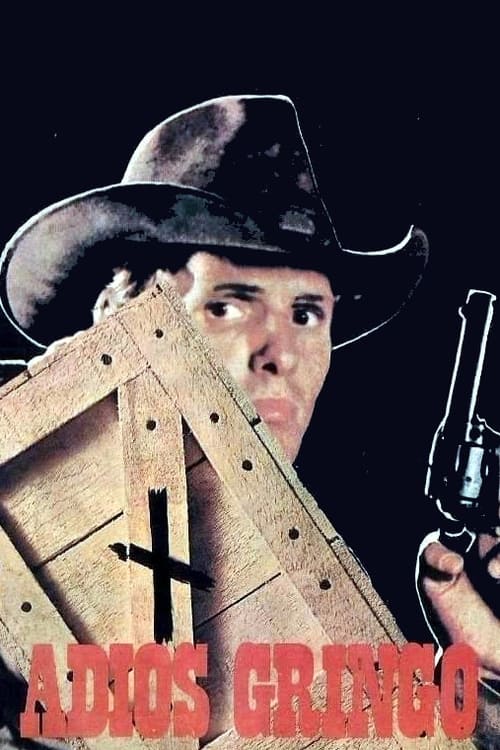
Adiós Gringo
1965
No user ratings available yet
Diversity score: 2.9 out of 10
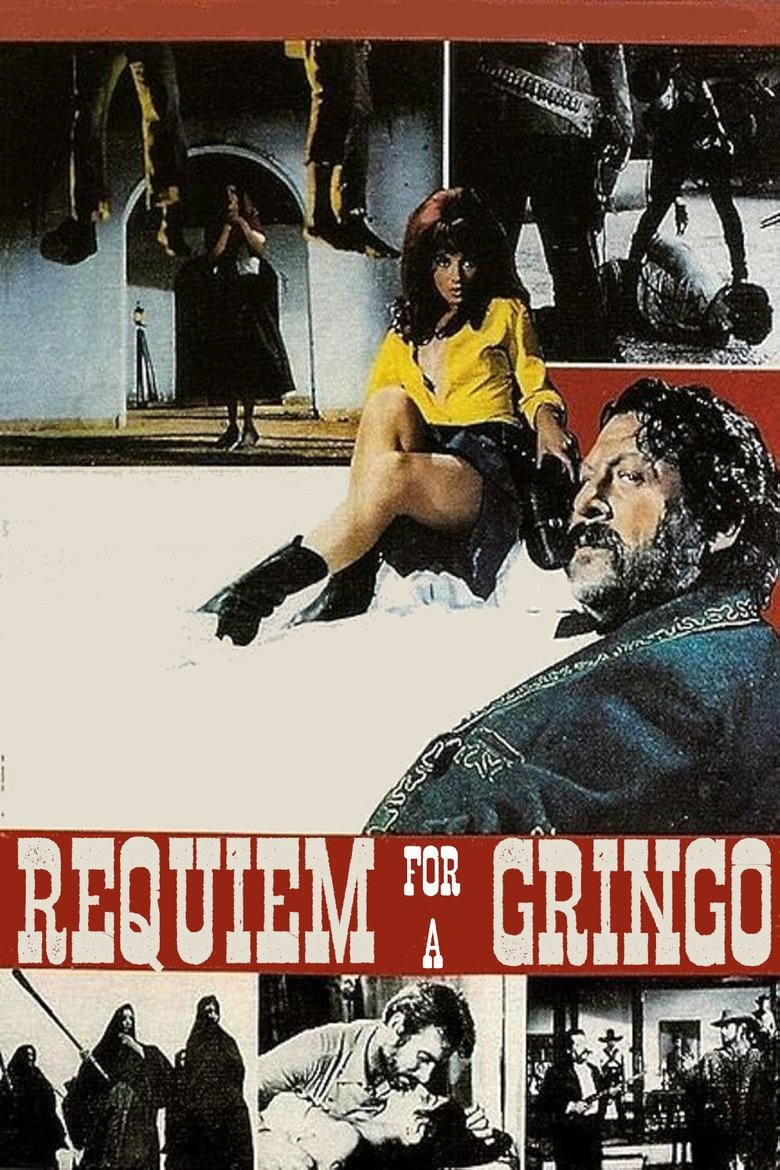
1968
Director
José Luis Merino
Runtime
98 minutes
Average Rating
No ratings yetSynopsis
Returning home, Ross Logan immediately gets into conflict with the Carranza gang, which had just crossed the Mexican border and has occupied a nearby Hacienda. After his brother is killed he plans a cold blooded revenge for which he separates the gang's most dangerous members by using their individual weak points and the general discordance amongst them. The time for the final confrontation is set by the astronomically interested Logan amidst an eclipse.
Overall Score
Limited
Category Breakdown
LGBTQ+ Representation
The film lacks any evidence of non-cisnormative identities or same-sex intimacy. The narrative remains strictly focused on a traditional masculine revenge arc.
Gender Representation
Agency is centered entirely on male characters, specifically Ross Logan and the Carranza gang. There is no indication of female characters or the subversion of gender hierarchies.
Racial & Ethnic Diversity
The plot involves a cross-border conflict between a 'gringo' and a Mexican gang. This establishes ethnic tension, though it follows standard Western tropes without clear progressive intent.
Religious & Cultural Diversity
The story prioritizes individualistic justice and personal retribution over systemic critique. While set near a Mexican Hacienda, the themes align with traditional Western moral frameworks.
Disability Representation
There is no mention of characters with visible or invisible disabilities. The narrative does not address neurodivergence or physical impairments.
Strengths
Areas for Improvement
AI Analysis
Requiem for a Gringo operates as a conventional Western centered on the revenge trope. The narrative follows a linear, individualistic trajectory driven by Ross Logan's personal loss and desire for retribution against the Carranza gang. The film relies heavily on traditional masculine archetypes and genre expectations. While the setting involves cross-cultural conflict at the Mexican border, the focus remains on a singular hero's vendetta rather than a critique of systemic power structures. Ultimately, the work adheres to established genre norms. It lacks the intersectional complexity or narrative subversion necessary to challenge the status quo of the Western genre.
1965
1973
1970

1959
1971
1968
1969
1952
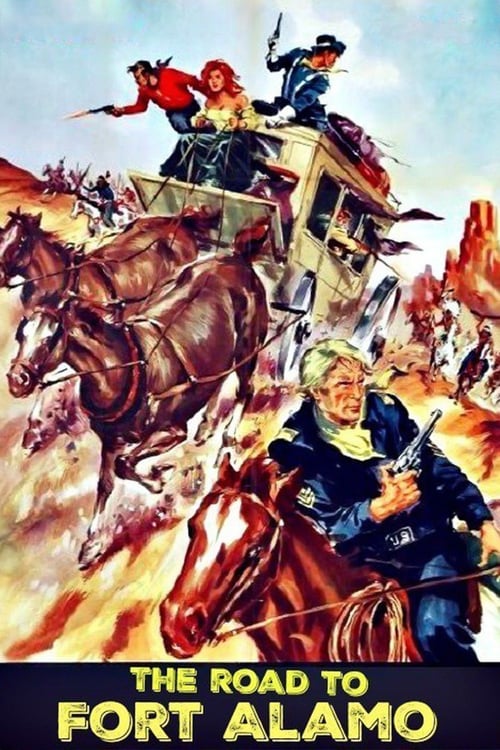
1964

1966
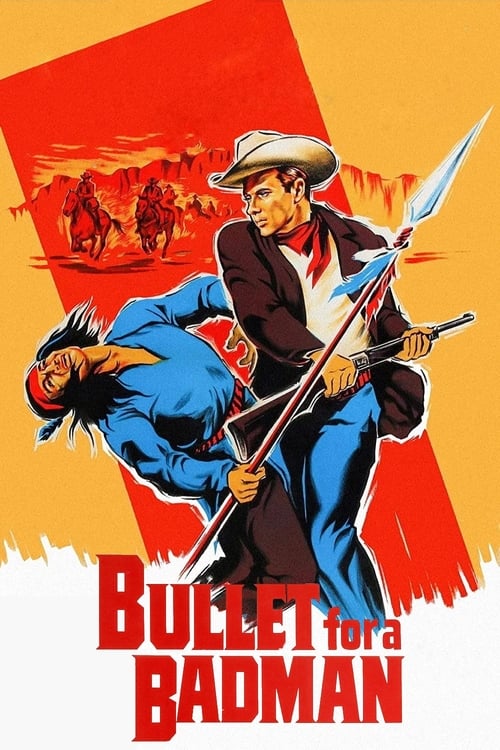
1964
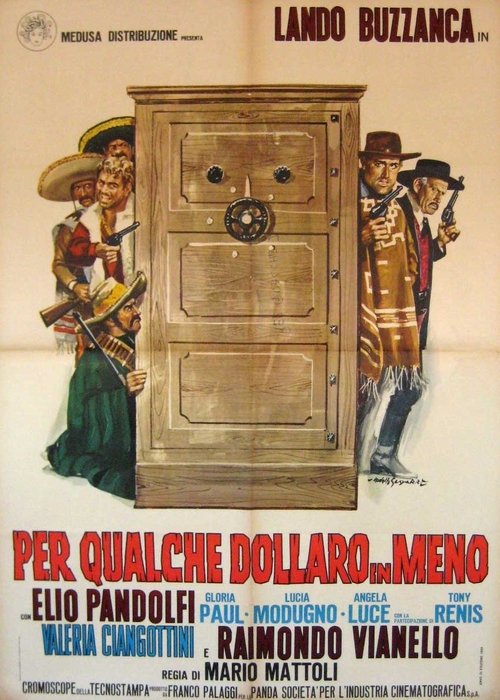
1966
No reviews yet. Be the first to share your thoughts on this movie!
Use the rating form above to leave a star rating and optional review.