
Phantom Limb
2005
No user ratings available yet
Representation score: 6.1 out of 10
Representation Score
Fair
2011
PGDirector
Tom Dallis
Runtime
60 minutes
Average Rating
No ratings yetNew Showbiz Analysis
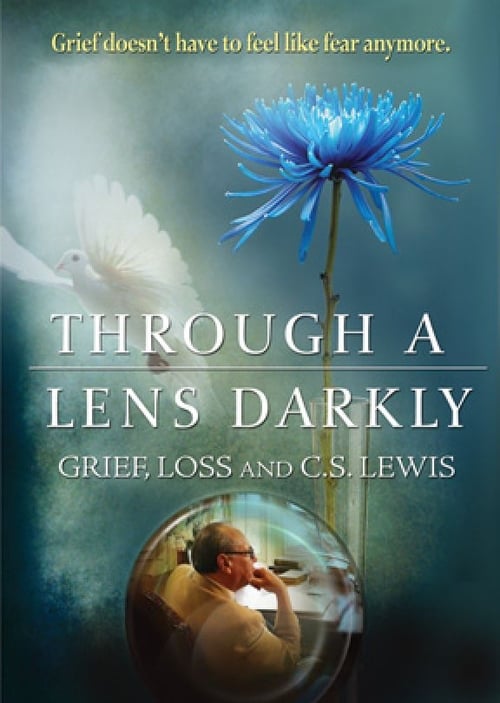
This documentary serves as a specialized biographical study of C.S. Lewis's reflections on bereavement. It prioritizes classical Western intellectualism and universal human emotions over the deconstruction of social hierarchies. The film's scope is narrow, focusing on a specific historical and religious context. While it addresses the universal pain of loss, it lacks the depth needed to challenge broader social structures. Ultimately, the work functions as a contemplative exploration of individual existential crises rather than a vehicle for progressive social representation.
Category Breakdown
The film focuses on the theological and psychological aspects of grief through C.S. Lewis’s writings. It does not include explicit LGBTQ+ characters or narratives that question the assumption that everyone is straight or cisgender.
The story centers on the intellectual journey of a singular male figure. While it touches on universal experiences like divorce, it maintains a traditional masculine intellectual framework.
The subject matter is rooted in mid-20th-century Western literary traditions. It focuses on a historically white, Anglo-Saxon intellectual figure without offering diverse racial perspectives.
The film engages with Lewis’s work, aligning with traditional Western religious frameworks. It prioritizes individual spiritual struggles over critiques of religion or secularism.
The documentary identifies physical or mental impairment as a core component of loss. It provides a platform for discussing disability as a catalyst for philosophical inquiry.
Present on Screen
Limited or Absent
Official Synopsis
"No one ever told me that grief felt so like fear." CS Lewis - A Grief Observed Loss comes in many forms: The grief over the death of a loved one, the devastation of a physical or mental impairment, the pain of divorce or separation, or the distress of job loss and foreclosure.
2005
1978

2013

2011

2014

2011

2018
1993
No reviews yet. Be the first to share your thoughts on this movie!
Use the rating form above to leave a star rating and optional review.