The Beautiful Days of Aranjuez
2016
No user ratings available yet
Representation score: 2.6 out of 10
Representation Score
Fair
1983
Director
Marguerite Duras
Runtime
61 minutes
Average Rating
No ratings yetNew Showbiz Analysis
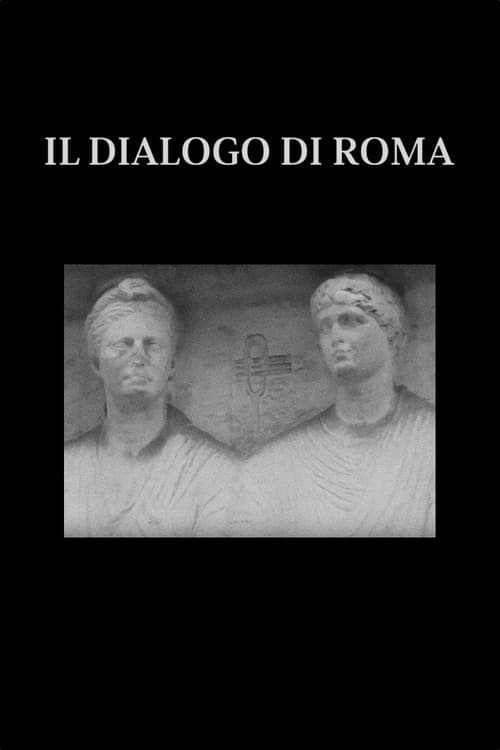
Roman Dialogue is an intellectually complex exploration of interpersonal conflict that prioritizes the dismantling of social norms over explicit demographic representation. It challenges traditional romantic clichés by focusing on the inherent complexity of human intimacy. While the film does not offer a wide range of racial or disability-based inclusion, its narrative structure is progressive. It replaces the stable domestic unit with a sophisticated, morally relative examination of identity. The film's strength lies in its refusal to conform to conventional cinematic resolutions, grounding its psychological tension in the setting of Rome.
Category Breakdown
The film challenges traditional expectations by keeping the relationship status of the protagonists ambiguous. It emphasizes the nature of their connection rather than labeling their relationship based on sexual orientation or societal norms.
Duras avoids portraying women as submissive stereotypes, instead presenting them as complex and intellectually strong characters. The narrative frames the couple's conflicts as a philosophical debate rather than a typical domestic issue.
The film centers on a personal, intimate conversation between two individuals. There is no indication of a diverse cast or multi-ethnic storyline.
The work critiques Western social structures by downplaying traditional institutions such as marriage. It aligns with existentialist values by highlighting subjective morality and human connections.
There is no evidence within the provided context to suggest the presence of characters with visible or invisible disabilities.
Present on Screen
Limited or Absent
Official Synopsis
'The subject of this film is the conversation between a man and a woman. A couple, maybe lovers, maybe married, it doesn't matter. (...) During this conversation, we do not see but the city of Rome. I wanted to transmit that what Rome provokes in me, the feeling of an intrinsic matter, indissoluble, in difference with Paris, made of small parks and open spaces, crossed by the sky and the wind. Hand in hand with the film, the difficulty of the two lovers assumes a clearer, more explicit form. But as much as, in my opinion, it is impossible to describe and film Rome, the difficulty in the love of a couple can never be totally understood.' - Marguerite Duras, Venice film festival catalogue, 1982.
2016
1958
1978
1956
1979
1969

1982
1983
No reviews yet. Be the first to share your thoughts on this movie!
Use the rating form above to leave a star rating and optional review.