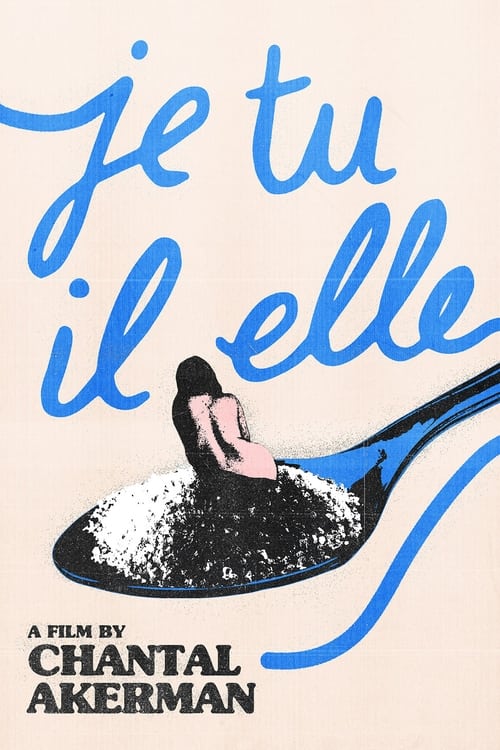
Je Tu Il Elle
1974
No user ratings available yet
Representation score: 6.8 out of 10

Representation Score
Good
1982
Director
Chantal Akerman
Runtime
90 minutes
Average Rating
No ratings yetNew Showbiz Analysis
Toute une nuit is a sophisticated deconstruction of identity and ability to act within the urban sphere. It stands as a landmark of feminist cinema, using the female gaze to disrupt patriarchal narrative conventions and reclaim domestic and urban spaces. However, the film's impact is limited by its narrow demographic focus. The lack of racial, ethnic, and disability representation restricts its scope to a specific, historically grounded European context. Ultimately, the work prioritizes psychological depth and gendered autonomy over broad social inclusivity, making it a progressive study of female interiority that remains demographically homogenous.
Category Breakdown
The film does not include explicit representations of LGBTQ+ identities or same-sex relationships. Its fragmented structure allows for various interpretations, but there are no overt references to boost its score.
The film centers on female subjectivity and autonomy, shifting women from objects of desire to active subjects navigating their own psychological landscapes.
The cast primarily features a white, urban European demographic focused on a specific middle-class Brussels setting. The film lacks diverse representation of different backgrounds and cultures.
The narrative explores existentialism and moral relativism, avoiding traditional religious institutions. It focuses on a secular, postmodern examination of human connection and urban alienation.
The film does not depict any significant or intentional representations of visible or invisible disabilities. Characters move through the urban environment within a standard range of physical and neurotypical functioning.
Present on Screen
Limited or Absent
Official Synopsis
Following over two dozen different individuals in the almost wordless atmosphere of a dark night in a Brussels town, acceptance and rejection in the realm of romance is examined.
1974
1972
2000

1994
1986
2002
1966

2006
No reviews yet. Be the first to share your thoughts on this movie!
Use the rating form above to leave a star rating and optional review.