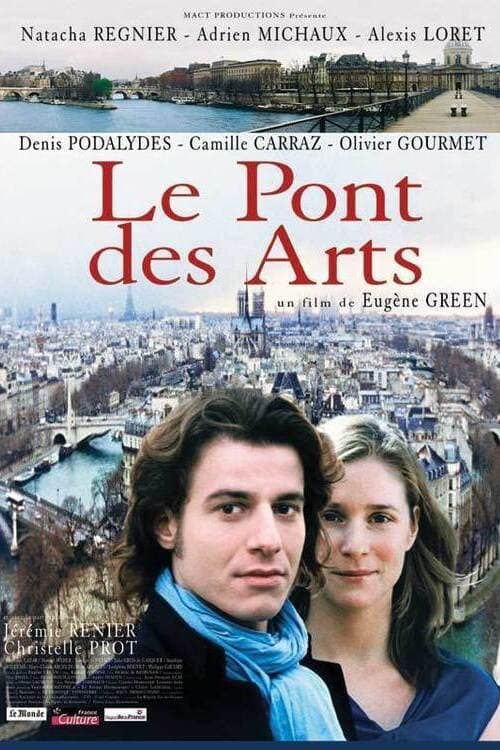
The Bridge of Arts
2004
No user ratings available yet
Diversity score: 3.6 out of 10
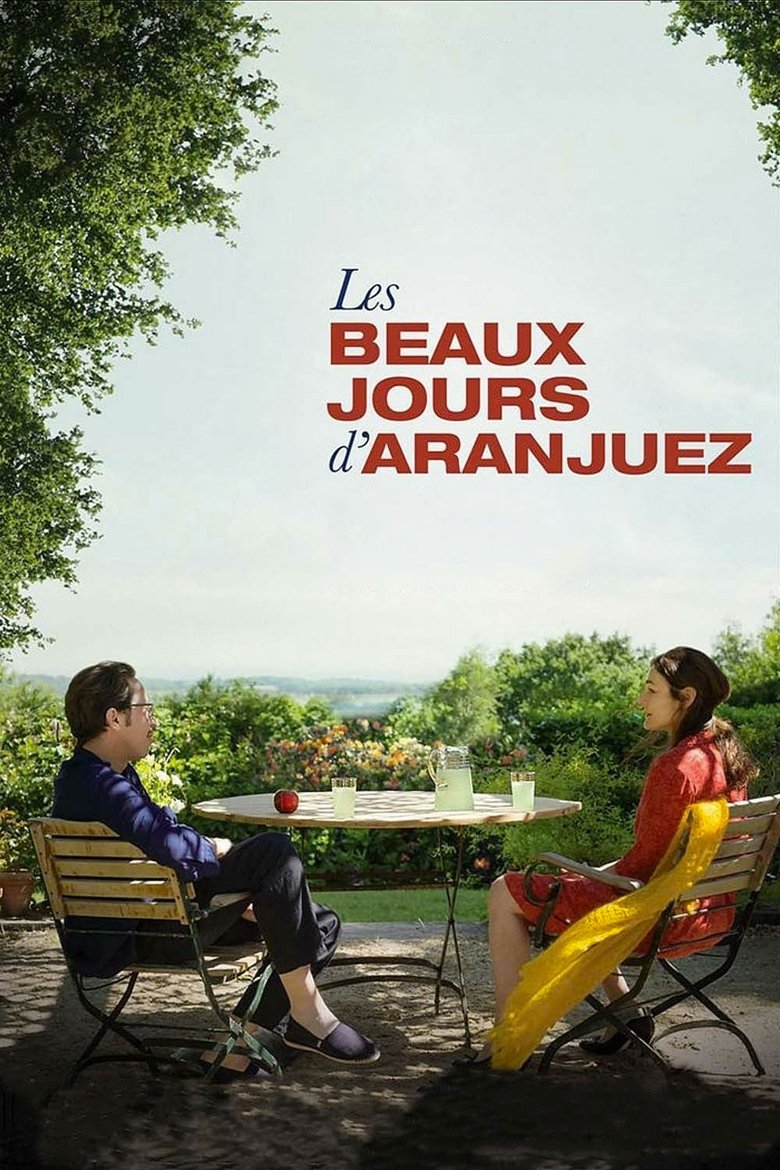
2016
Director
Wim Wenders
Runtime
97 minutes
Average Rating
No ratings yetSynopsis
A man and a woman share their musings on love and freedom one summer night. The couple’s conversation meanders through memories, unspoken desires and passion through poetic dialogue.
Overall Score
Limited
Category Breakdown
LGBTQ+ Representation
The film centers on a traditional romantic dialogue between a man and a woman. It lacks any evidence of queer narratives or non-cisnormative identities.
Gender Representation
The story explores the musings of a male musician and a female counterpart. It adheres to classical romanticism rather than subverting traditional gendered power structures.
Racial & Ethnic Diversity
Set in the Spanish countryside, the film reflects the regional demographic. It functions as a localized cultural study without significant ethnic blending or intersectional exploration.
Religious & Cultural Diversity
The narrative offers a meditative, pastoral reverence for Spanish folk culture. It acts as a poetic tribute to tradition rather than a challenge to Western institutions.
Disability Representation
There is no documented evidence of physical, neurodivergent, or mental health conditions within the primary character arcs.
Strengths
Areas for Improvement
AI Analysis
Wim Wenders delivers a sophisticated piece of postmodern cinema that prioritizes aesthetic and musical meditation over social disruption. The film is a highly intentional work of artistry, yet it remains firmly rooted in conventional frameworks. The narrative architecture is designed to evoke nostalgia and poetic reflection. By focusing on traditional romanticism and regional heritage, the film avoids engaging with identity politics or challenging systemic hierarchies. Ultimately, the work functions as a localized cultural study. While cinematically profound, its lack of progressive representational elements results in a score that reflects a traditionalist perspective.
2004
2018
2011

2016
2020
2017

2015
2013

2022
2007

2013
2011
No reviews yet. Be the first to share your thoughts on this movie!
Use the rating form above to leave a star rating and optional review.