
Roman Dialogue
1983
No user ratings available yet
Representation score: 5.3 out of 10
Representation Score
Fair
1969
Director
Jean Pierre Lefebvre
Runtime
78 minutes
Average Rating
No ratings yetNew Showbiz Analysis
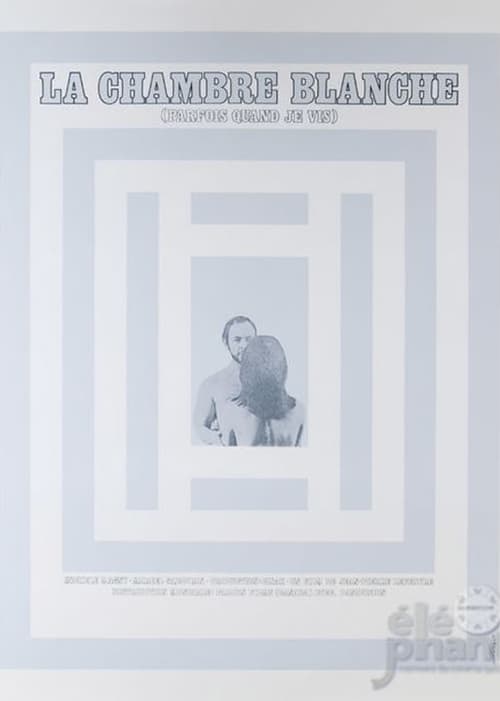
The House of Light is a formalist experiment that prioritizes mood over a traditional storyline. It avoids the exaggerated performances common in 1960s dramas, favoring existential boredom and symbolic ambiguity. While the film does not have much demographic diversity, it scores moderately by breaking down traditional domestic stereotypes. The narrative structure emphasizes individual psychological truth over the rigid social norms of the time.
Category Breakdown
The film focuses on a married couple, setting up a baseline that assumes everyone is straight. However, it uses symbolic techniques and ambiguity to challenge typical, rigid views of family life.
By emphasizing everyday conversations rather than dramatic conflicts, the film avoids the usual gender power dynamics. The characters share a sense of existential stillness.
The story centers on a local, personal experience without showing a multi-ethnic cast or using actors of different races for roles traditionally played by others.
The film embraces moral relativism by highlighting personal truths over institutional or religious beliefs. It uses changing settings to criticize stable, traditional structures.
There is no specific mention of the portrayal of physical or neurodivergent disabilities in this film.
Present on Screen
Limited or Absent
Official Synopsis
This plodding piece of cinematic ambiguity finds a married couple engaged in boring conversation in a window as scenery changes behind them. When they manage to talk about love, some of the tedium is lifted in the wake of their amorous verbiage. This black and white effort from Jean Pierre Lefebvre depends on symbolic impressionism rather than plot.
1983

1956
1967

1963
1973
1967
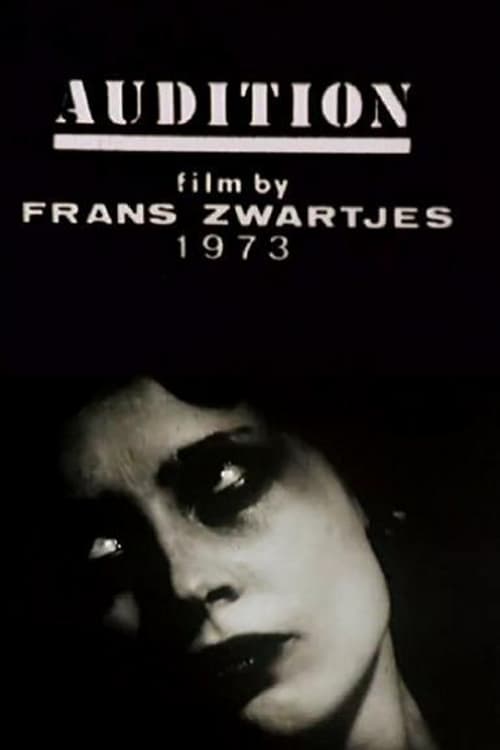
1973

1979
No reviews yet. Be the first to share your thoughts on this movie!
Use the rating form above to leave a star rating and optional review.