
Wet Woman in the Wind
2016
No user ratings available yet
Representation score: 5.7 out of 10
Representation Score
Good
1994
Director
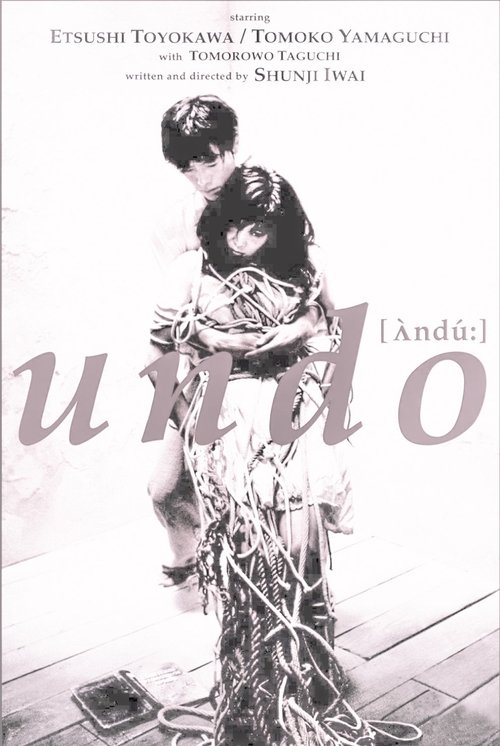
Shunji Iwai
Runtime
47 minutes
Average Rating
No ratings yetNew Showbiz Analysis
Shunji Iwai’s work focuses on the fragility of human connection and the interiority of socially disconnected individuals. This film functions as a character study of domestic alienation rather than a broad social survey. The film's strength lies in its deconstruction of domestic stability. It prioritizes the psychological complexities of interpersonal neglect over idealized family portrayals. However, the narrative lacks markers of multiple identities. The homogeneity of the cast and the absence of overt LGBTQ+ representation limit its broader diversity impact.
Category Breakdown
The film focuses on a domestic partnership between Moemi and Yukio but does not include any explicit evidence of queer identities or dynamics outside of heterosexual relationships.
The story centers on Moemi’s experience with domestic dissatisfaction and emotional neglect. It highlights her ability to express loneliness and avoids the stereotype of the passive housewife.
As a Japanese production, the cast and setting are homogeneous. The film does not actively engage in subverting racial hierarchies through diverse casting.
The narrative explores the dysfunction of the nuclear family and psychological isolation. It offers a complex, less idealized view of traditional social structures.
Themes of depression and loneliness are present, but it is unclear if these are treated as clinical conditions. The depth of mental health representation remains unverified.
Present on Screen
Limited or Absent
Official Synopsis
Moemi is not overly pleased when Yukio brings home a couple of turtles to keep her company. Although Yukio works at home as a writer, Moemi feels neglected and desired a dog or a cat, but neither is allowed in their apartment.
2016

2009

1998

2014

2005

1997

2020

2004
No reviews yet. Be the first to share your thoughts on this movie!
Use the rating form above to leave a star rating and optional review.