
A Class to Remember
1993
No user ratings available yet
Representation score: 4.5 out of 10
Representation Score
Fair
2015
Director
Takeshi Moriya
Runtime
118 minutes
Average Rating
No ratings yetNew Showbiz Analysis
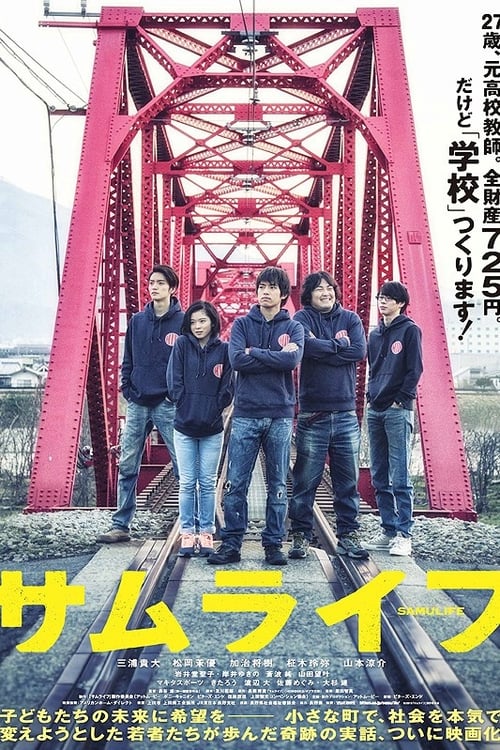
Samulife is a character study focused on institutional rebellion and the pursuit of alternative social structures. It gains narrative depth by deconstructing conventional authority and examining the fringes of human experience through its protagonist's struggle. However, the film remains grounded in a culturally specific and homogeneous framework. It lacks overt markers of diverse identity, such as visible racial diversity or queer subtext, which limits its broader representational reach. Ultimately, the film's strength lies in its thematic subversion of societal norms rather than its diversity of identity markers.
Category Breakdown
The film does not include explicit LGBTQ+ characters or non-straight identities. The story focuses on the protagonist's professional and entrepreneurial challenges.
While the main character is male, Mayu Matsuoka's prominent role suggests a significant female presence. The film may challenge traditional educational hierarchies through its unconventional premise.
The production features a predominantly Japanese cast within a homogeneous cultural landscape. There is no evidence of multicultural casting or race-bending in the film.
The narrative challenges traditional institutional frameworks by depicting a protagonist who rejects formal education. It offers a critique of capitalist stability and established societal roles.
There is no documented evidence regarding the portrayal of physical, neurodivergent, or mental health disabilities in this work.
Present on Screen
Limited or Absent
Official Synopsis
Nagaoka is a former high school teacher. He decides to start a school with an ideal learning environment. To achieve this goal, he struggles to make money by running a bar and a publishing company.
1993

2013
1991

1999

2004

2006

2011
2006
No reviews yet. Be the first to share your thoughts on this movie!
Use the rating form above to leave a star rating and optional review.