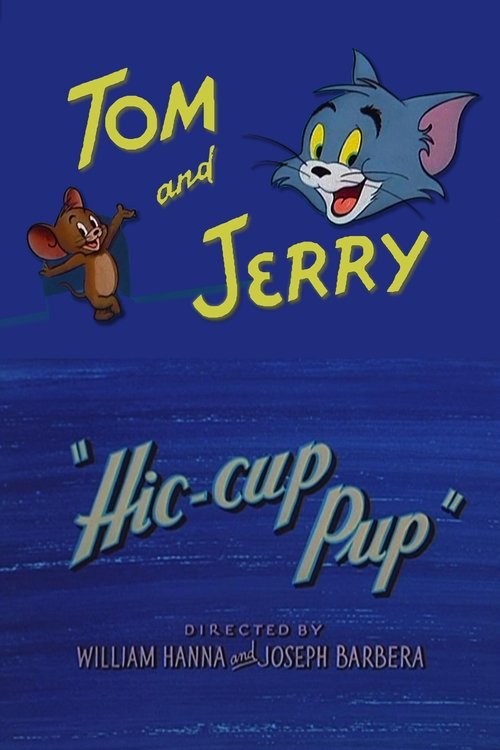
Hic-cup Pup
1954
No user ratings available yet
Representation score: 1.1 out of 10

Representation Score
Minimal
1944
NRDirector
William Hanna, Joseph Barbera
Runtime
7 minutes
Average Rating
No ratings yetNew Showbiz Analysis
The film relies on established clichés and period-specific aesthetics to create its slapstick humor. While it incorporates elements of 1940s jazz culture, these are used as stylistic costumes rather than meaningful representations of identity. Narrative ability to act is divided along traditional lines, with the male character driving the action and the female character serving mainly as a reactive figure within a traditional gender hierarchy. Overall, the short lacks intentional characters who reflect more than one aspect of diversity, focusing instead on individual comedic struggles and conventional social structures.
Category Breakdown
The film centers on a traditional heterosexual relationship where Tom tries to win over a female cat using conventional courtship methods. There are no characters with non-traditional gender identities.
Gender roles in the film align with mid-century norms. Tom is the proactive male suitor, while Toots is primarily an object of affection and a plot device.
The movie includes elements of African American jazz culture, such as zoot suits and jive lingo, but these are used as stylistic devices rather than deep explorations of identity.
The short follows a typical early American domestic setting without engaging in deeper critiques of social institutions or traditions.
The film does not depict any characters with physical, sensory, or neurodevelopmental differences. The characters fit within the typical physical demands of slapstick comedy.
Present on Screen
Limited or Absent
Official Synopsis
Tom's advances on a young jive-talking girl cat get nowhere; nowhere, that is, until Tom gets a zoot suit. Armed with his miles of fabric and a new cool lingo, Tom still has to deal with the tricks of his nemesis, Jerry.
1954
1954
1954
1946
1956

1945
1957
1944
No reviews yet. Be the first to share your thoughts on this movie!
Use the rating form above to leave a star rating and optional review.