Cat Napping
1951
No user ratings available yet
Representation score: 0.1 out of 10
Representation Score
Minimal
1951
NRDirector
Joseph Barbera, William Hanna
Runtime
7 minutes
Average Rating
No ratings yetNew Showbiz Analysis
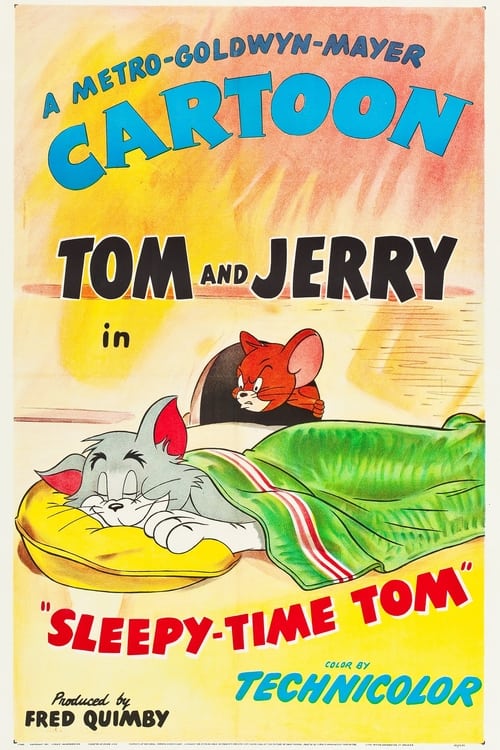
Sleepy-Time Tom reflects the social and narrative conventions of early 1950s animation. The plot emphasizes slapstick humor and traditional family dynamics over social issues. The film uses well-established character types and period-specific clichés to reinforce a sense of household order rather than challenging or broadening social norms. Ultimately, the work offers limited depth in exploring diverse identities, focusing instead on the classic conflict between Tom and Jerry within a narrow cultural context.
Category Breakdown
The film does not include any LGBTQ+ characters or narratives. The story focuses on typical animal conflicts without addressing non-straight relationships.
The story follows a traditional gender hierarchy where Mammy acts as a disciplinarian, reinforcing the gender roles of the 1950s.
The use of the term 'Mammy' indicates a reliance on period-specific racial stereotypes. The characters represent a limited range of backgrounds typical for 1951 animation.
The film upholds traditional Western household structures without critiquing institutional authority or showcasing diverse cultural perspectives.
There are no characters with visible or invisible disabilities, nor any representation of neurodivergent individuals.
Present on Screen
Limited or Absent
Official Synopsis
Tom has been out late carousing with his chums. When he gets home, Mammy won't take any excuses, and insists he stay awake; Jerry, overhearing, thus tries a number of schemes to get Tom to sleep.
1951

1945
1943

1947
1945
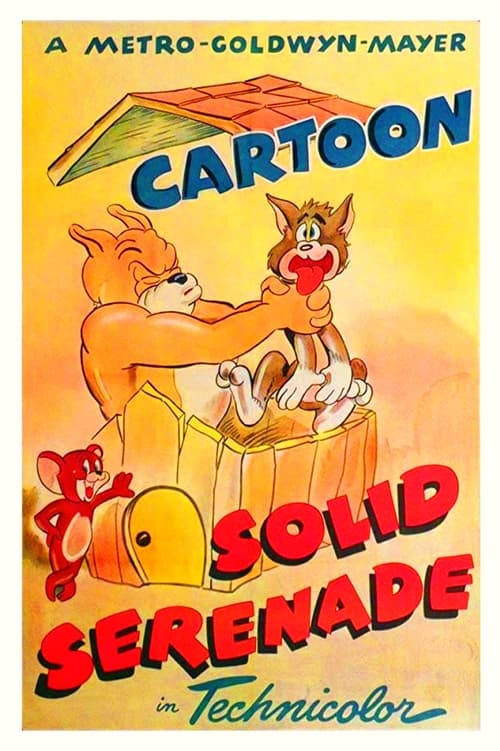
1946
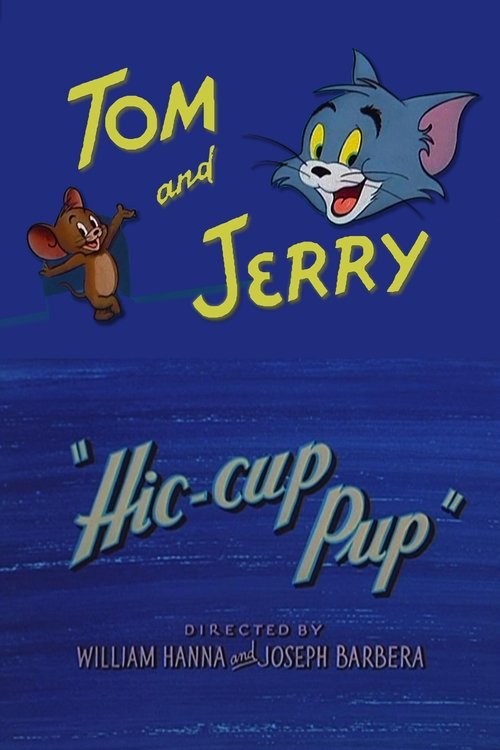
1954
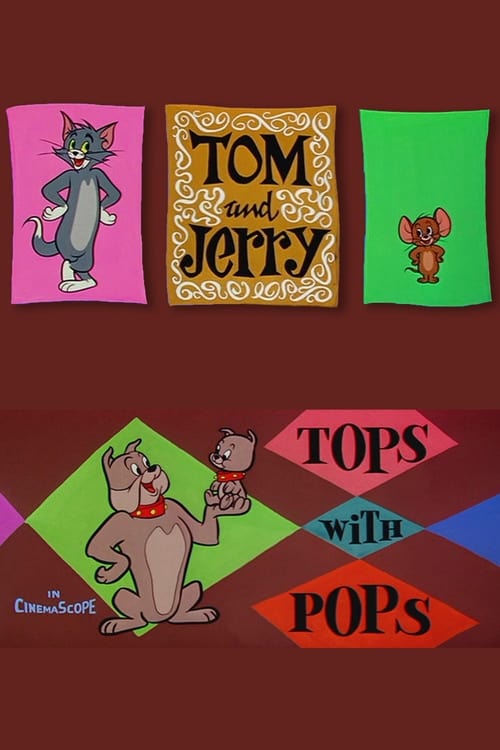
1957
No reviews yet. Be the first to share your thoughts on this movie!
Use the rating form above to leave a star rating and optional review.