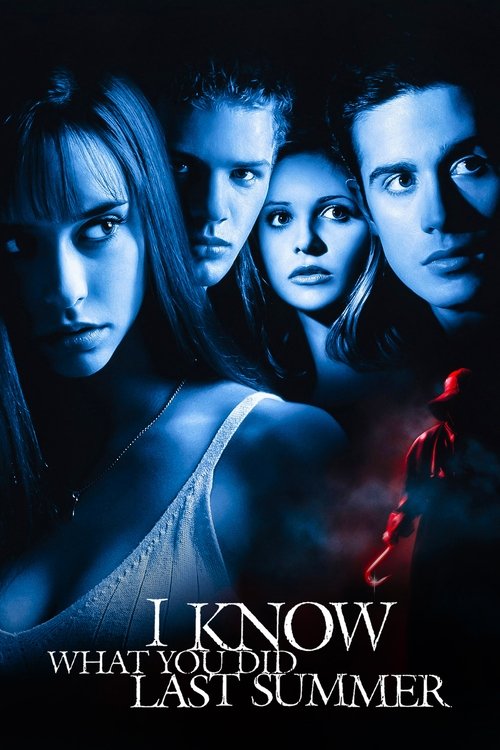
I Know What You Did Last Summer
1997
No user ratings available yet
Representation score: 1.1 out of 10
Representation Score
Limited
1998
RDirector
Danny Cannon
Runtime
100 minutes
Average Rating
No ratings yetNew Showbiz Analysis
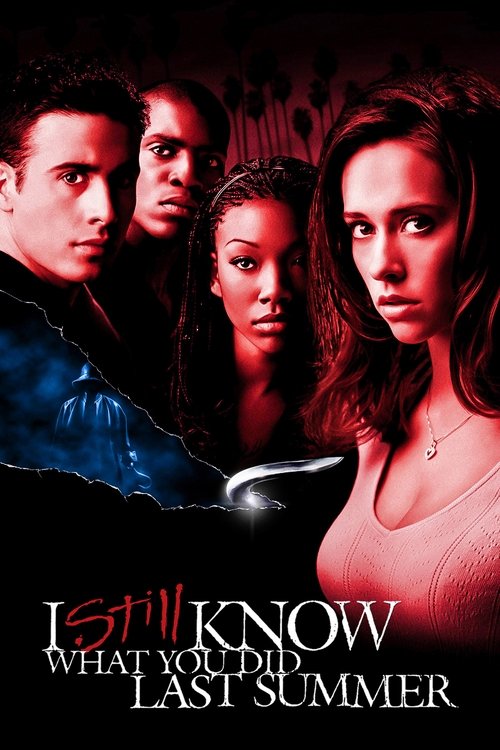
This slasher sequel sticks closely to traditional horror conventions, focusing on suspense and survival rather than exploring social issues. It follows the established norms of the late 1990s, reinforcing a conventional narrative structure. The film relies heavily on well-known clichés, such as the 'final girl' archetype, without challenging gender hierarchies or systemic power structures. The plot revolves around individual guilt and personal accountability. Overall, the film maintains a homogeneous demographic focus. It lacks the layered diversity needed to challenge the traditional storytelling norms of the horror genre.
Category Breakdown
The film does not include any LGBTQ+ identities or subtext. Character interactions are based on heterosexual relationships.
Julie James plays a significant role in driving the plot as a survivor. The film passes the Bechdel test, but it follows traditional slasher movie formulas.
The cast is mostly white, showing a lack of diversity. There are no characters of color with substantial roles.
The story centers on individual experiences and personal responsibility. It does not address broader cultural or institutional critiques.
There is no significant representation of physical or cognitive disabilities. Psychological trauma is used as a standard genre element without deeper exploration.
Present on Screen
Limited or Absent
Official Synopsis
Ever since killing the Fisherman one year ago, Julie James is still haunted by images of him after her. When her best friend Karla wins free tickets to the Bahamas, Julie finds this a perfect opportunity to finally relax. But someone is waiting for her. Someone who she thought was dead. Someone who is out again for revenge.
1997
1988
1986
1979
1997

1962
1998
1980
No reviews yet. Be the first to share your thoughts on this movie!
Use the rating form above to leave a star rating and optional review.