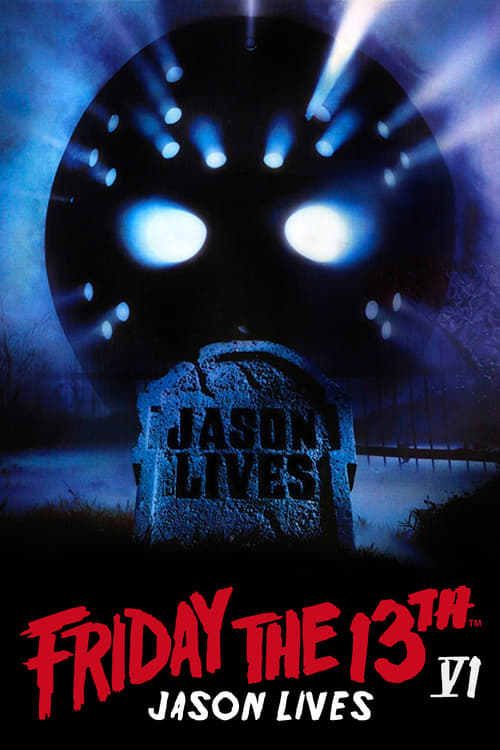
Jason Lives - Friday the 13th Part VI
1986
No user ratings available yet
Representation score: 2.2 out of 10
Representation Score
Limited
2010
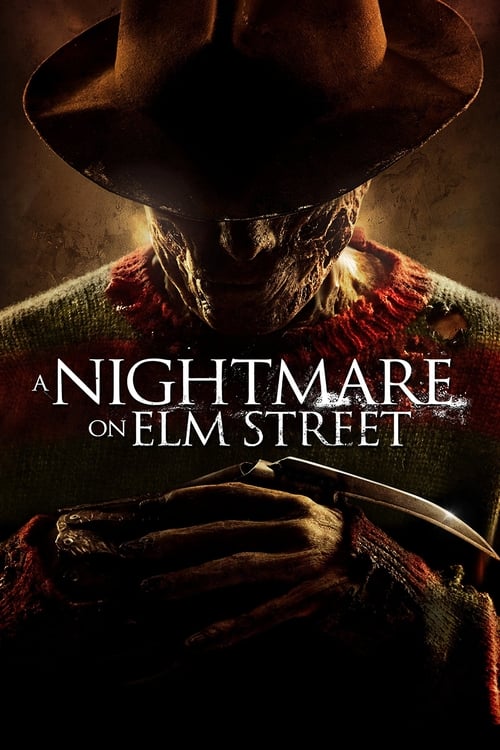
RDirector
Samuel Bayer
Runtime
95 minutes
Average Rating
No ratings yetNew Showbiz Analysis
This reimagining functions as a standard genre exercise, prioritizing survival clichés over social commentary. While it updates the aesthetic for a modern audience, the narrative remains tied to traditional slasher dynamics. The film achieves moderate inclusion through a more diverse ensemble than the 1984 original. However, this diversity remains superficial, as character identities do not drive the plot or challenge existing social hierarchies. Ultimately, the film lacks the narrative intentionality to engage with complex multi-layered themes. It focuses on the psychological weight of trauma rather than exploring systemic or cultural critiques.
Category Breakdown
The film does not include any visible LGBTQ+ characters or narratives. The interpersonal dynamics focus entirely on conventional adolescent social structures.
Nancy Holbrook is a capable protagonist who plays a significant role in driving the story. However, the supporting cast largely fulfills traditional genre roles without challenging gender hierarchies.
The ensemble is more ethnically diverse compared to the original film. However, racial identities do not significantly impact the plot or narrative power dynamics.
The story explores communal violence and inherited trauma through the parents' past. It focuses on individual responsibility rather than critiquing Western institutions.
There is no meaningful representation of physical or neurodivergent disabilities. The antagonist's disfigurement is used solely for visual horror and intimidation.
Present on Screen
Limited or Absent
Official Synopsis
Teenagers Nancy, Quentin, Kris, Jesse and Dean are all neighborhood friends who begin having the same dream of a horribly disfigured man who wears a tattered sweater and a glove made of knives. The man terrorizes them in their dreams, and the only escape is to wake up. But when, one by one, they start dying violently, the friends realize that what happens in the dream world is real, and the only way to stay alive is to stay awake.
1986
2008
2017
2010
2011
1988
2015
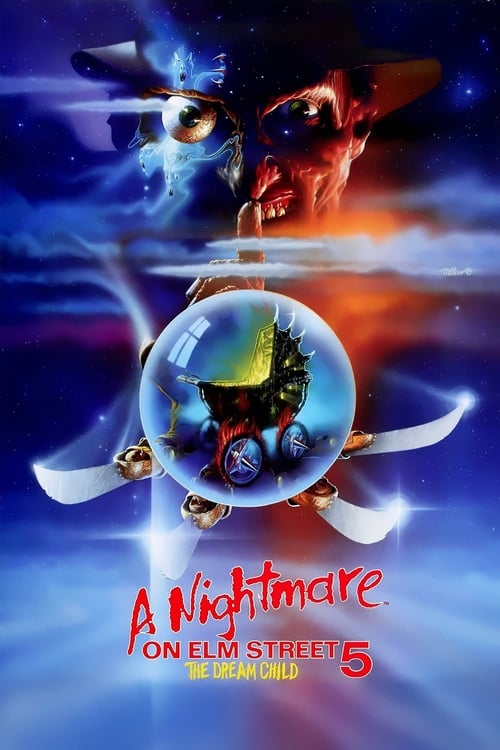
1989
No reviews yet. Be the first to share your thoughts on this movie!
Use the rating form above to leave a star rating and optional review.