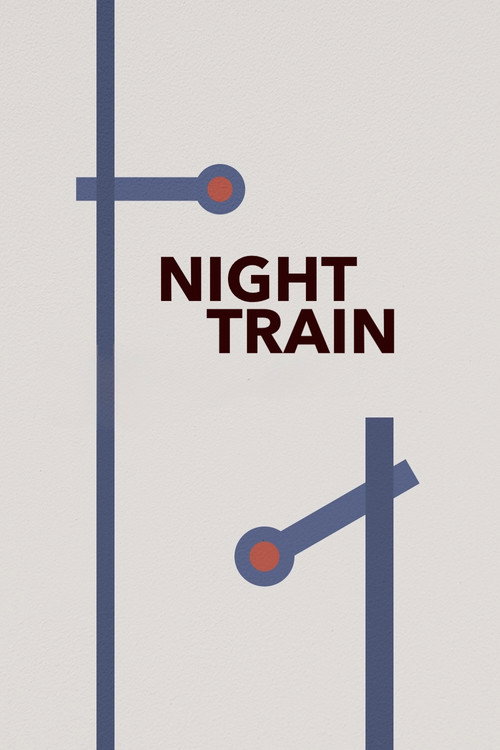
Night Train
1959
No user ratings available yet
Representation score: 5.4 out of 10
Representation Score
Minimal
1958
Director
Dinos Dimopoulos
Runtime
85 minutes
Average Rating
No ratings yetNew Showbiz Analysis
The film is a period-specific psychological drama that mirrors the social and demographic constraints of 1950s Greece. It focuses on a homogeneous group of Athenian socialites, prioritizing traditional interpersonal dynamics over diverse perspectives. While the plot is driven by a female character's emotional reactions, the narrative structure maintains conventional gender roles. The film functions as a reflection of its local context rather than a work that seeks to challenge established social hierarchies. Ultimately, the production maintains the status quo of mid-20th-century social norms, offering little representation of underrepresented identities or multi-layered viewpoints.
Category Breakdown
The film does not include any LGBTQ+ characters or storylines. It adheres strictly to the assumption that everyone is straight or cisgender, reflecting the social structures of the 1950s.
Mado serves as a central emotional catalyst, yet her role remains largely reactive. The film follows traditional gender hierarchies typical of mid-century Mediterranean cinema.
The setting depicts a culturally homogeneous Greek social circle. It reflects the demographic realities of mid-century Athens without intentional ethnic blending.
The narrative reinforces traditional Western social institutions and high-culture activities. It portrays a stable social order grounded in conventional societal expectations.
A character's fainting is used as a plot device for psychological distress. There is no nuanced exploration of disability or neurodivergence.
Present on Screen
Limited or Absent
Official Synopsis
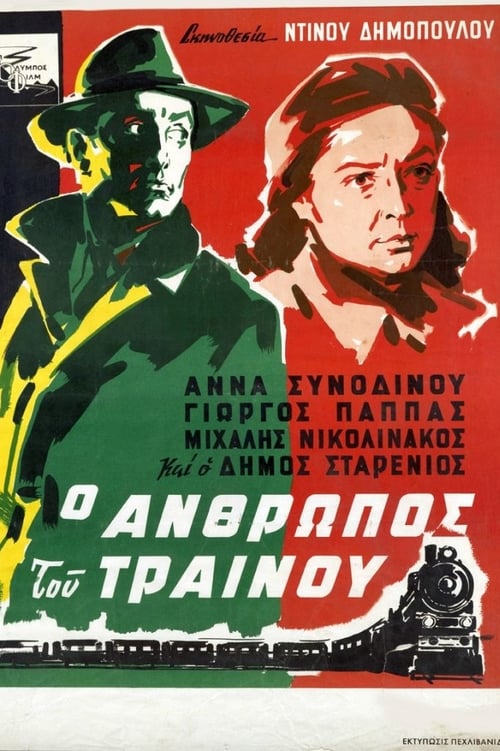
A party of couples from Athens is planning to attend the performance of Medea in Ancient Epidaurus. They set off in their cars bright and early in the morning, combining their theater outing with a side trip to Nauplion. They stop at a railroad junction for the train to pass. There Mado recognizes the fleeting figure of the man standing at the window of the train and she faints.
1959
2019

1985
1955
2006

2014
1966

1962
No reviews yet. Be the first to share your thoughts on this movie!
Use the rating form above to leave a star rating and optional review.