Night Train
1959
No user ratings available yet
Representation score: 5.4 out of 10
Representation Score
Limited
1966
Director
Ivan Govar
Runtime
83 minutes
Average Rating
No ratings yetNew Showbiz Analysis
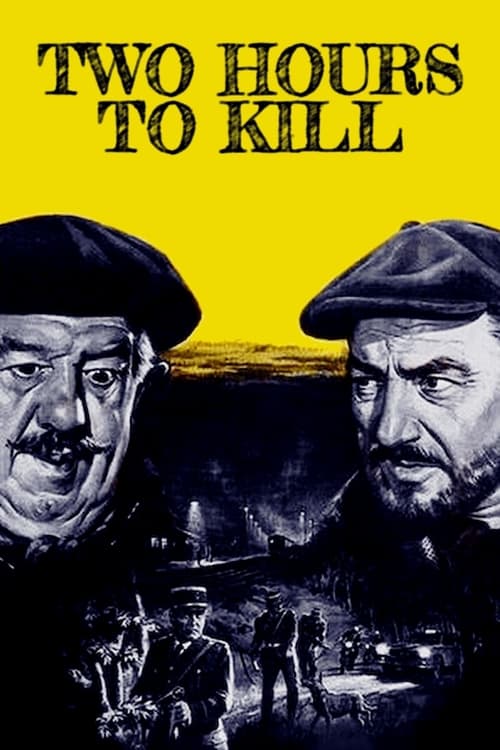
Two Hours to Kill operates as a typical mid-century thriller, emphasizing suspense and procedural investigation over social complexity. The narrative structure adheres to the genre conventions of the 1960s, focusing on a localized crime within a train station. The film lacks depth in reflecting multiple aspects of identity, sticking to the demographic norms of its time. While the journalist character offers a chance for professional control, the overall character landscape remains homogeneous and conventional. Ultimately, the film serves as a standard crime exploration rather than a vehicle for challenging social hierarchies or exploring diverse identities.
Category Breakdown
The film does not include visible LGBTQ+ identities or stories that question the assumption that everyone is straight or cisgender. The plot revolves around a criminal investigation involving a serial killer and a journalist.
A journalist leads the investigation, suggesting professional control over the story. However, the focus on a killer targeting young girls might risk portraying women as passive victims rather than active participants.
The 1966 setting and location suggest a homogeneous European population. There is no indication of a diverse cast or non-white characters in key roles.
The story centers on community tension and institutional responses to a societal threat. It does not show any anti-Western or anti-capitalist sentiments.
There is no mention of characters dealing with physical, neurodivergent, or mental health conditions within the narrative.
Present on Screen
Limited or Absent
Official Synopsis
In the waiting room of the Auvernaux station, the atmosphere is very lively. Several passengers, who have missed their train, are discussing the killer of young girls who is rampant in the region. While the criminal might be in the vicinity, pursued by the police, a journalist leads the investigation inside the station.
1959
1956
1950
1942
1964

2014
1975
1948
No reviews yet. Be the first to share your thoughts on this movie!
Use the rating form above to leave a star rating and optional review.