Woman in the Dunes
1964
No user ratings available yet
Representation score: 6.6 out of 10
Representation Score
Limited
1962
NRDirector
Roman Polanski
Runtime
94 minutes
Average Rating
No ratings yetNew Showbiz Analysis
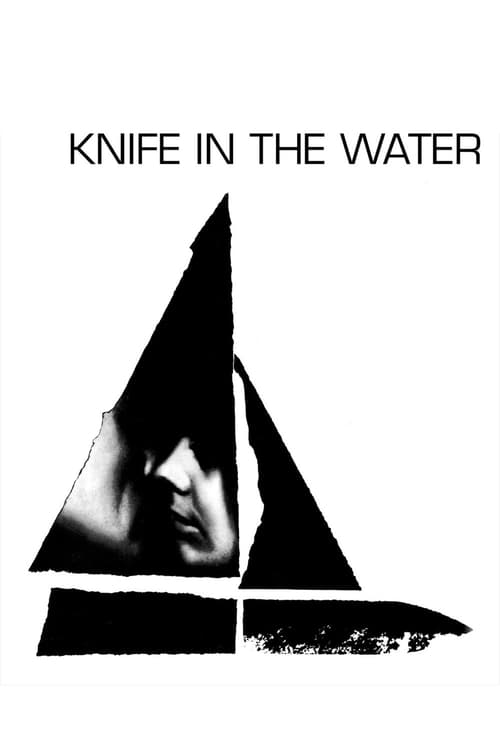
Knife in the Water is a claustrophobic psychological study that emphasizes interpersonal power dynamics over demographic diversity. Its impact comes from deconstructing social hierarchies and replacing stability with a volatile landscape of ego and class resentment. While the cast is traditionally homogeneous, the narrative structure offers a progressive critique by refusing to provide a moral compass. Instead, it highlights the breakdown of established social hierarchies. Ultimately, the film studies instability, challenging conventional expectations of character redemption by focusing on psychological warfare between its central figures.
Category Breakdown
The film focuses exclusively on heterosexual relationships, with no characters representing LGBTQ+ identities. Tension arises from competition among men for a woman's attention, without any exploration of non-binary gender identities.
Krystyna serves as the central pivot and catalyst in the narrative. She challenges the 'stable wife' stereotype by acting as a source of instability and ability to act within the power struggle.
The cast is uniformly white and upper-class. The film does not engage with racial or ethnic diversity, reflecting its 1962 Polish context.
The story delves into class-based tension and the breakdown of social decorum. Characters prioritize personal gain and instinct over communal or religious morality in a setting devoid of ethical certainty.
No characters are shown with visible or invisible disabilities. The focus remains on psychological tension and interpersonal conflict.
Present on Screen
Limited or Absent
Official Synopsis
On their way to an afternoon on the lake, husband and wife Andrzej and Krystyna nearly run over a young hitchhiker. Inviting the young man onto the boat with them, Andrzej begins to subtly torment him; the hitchhiker responds by making overtures toward Krystyna. When the hitchhiker is accidentally knocked overboard, the husband's panic results in unexpected consequences.
1964

1958

1969
1955
1956

1966
1974
1953
No reviews yet. Be the first to share your thoughts on this movie!
Use the rating form above to leave a star rating and optional review.