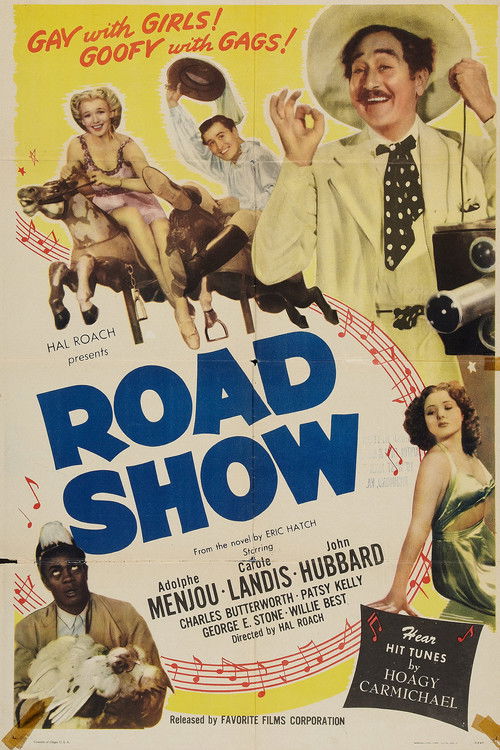
Road Show
1941
No user ratings available yet
Diversity score: 2.3 out of 10
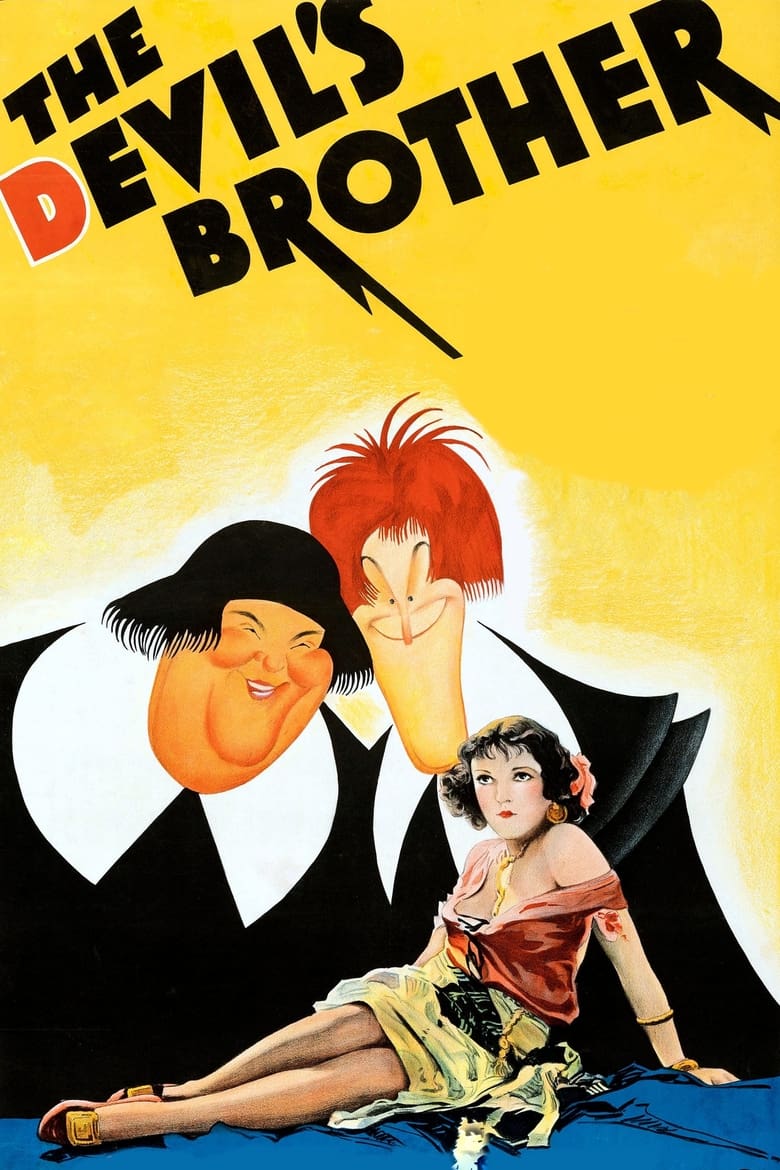
1933
NRDirector
Hal Roach
Runtime
90 minutes
Average Rating
No ratings yetSynopsis
Two wannabe bandits join the service of a dashing nobleman, who secretly masquerades as Fra Diavolo, a notorious outlaw.
Overall Score
Minimal
Category Breakdown
LGBTQ+ Representation
The film adheres to the heteronormative structures typical of 1930s musical comedies. There is no evidence of non-cisnormative identities or narratives that critique traditional social frameworks.
Gender Representation
Women are largely relegated to secondary roles or traditional archetypes. The narrative focuses on the chaotic agency of male protagonists rather than subverting gender hierarchies.
Racial & Ethnic Diversity
The cast appears homogeneous, reflecting the demographic norms of early 1930s studio productions. There is no evidence of race-bent casting or non-white majority ensembles.
Religious & Cultural Diversity
The film uses slapstick and social chaos as farcical devices rather than critiques of Western institutions or religious authority. It leans into conventional comedic tropes of the period.
Disability Representation
Physical comedy relies on bodily clumsiness for slapstick purposes. There is no meaningful exploration of neurodivergence or characters with disabilities portrayed with agency.
Strengths
Areas for Improvement
AI Analysis
The film is a quintessential product of the early 20th-century studio system, prioritizing high-energy slapstick and situational farce over nuanced social narratives. Its structure relies on established comedic archetypes that do not seek to deconstruct or disrupt traditional social hierarchies. While the protagonists drive much of the chaos, the work lacks intersectional complexity. The representation of identity is minimal, reflecting the era's focus on broad, universal humor rather than intentional social critique.
1941

1941
1939
1929
1903
1933
1934
1953

1941

1945
1956
1952
No reviews yet. Be the first to share your thoughts on this movie!
Use the rating form above to leave a star rating and optional review.