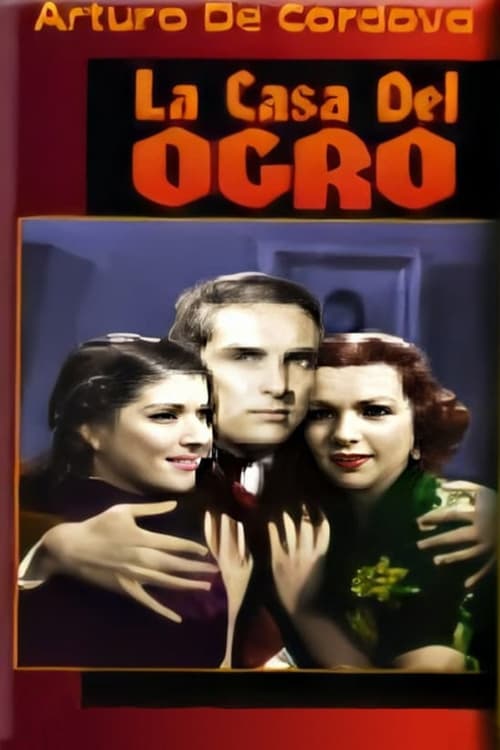
La casa del ogro
1939
No user ratings available yet
Representation score: 2.9 out of 10
Representation Score
Fair
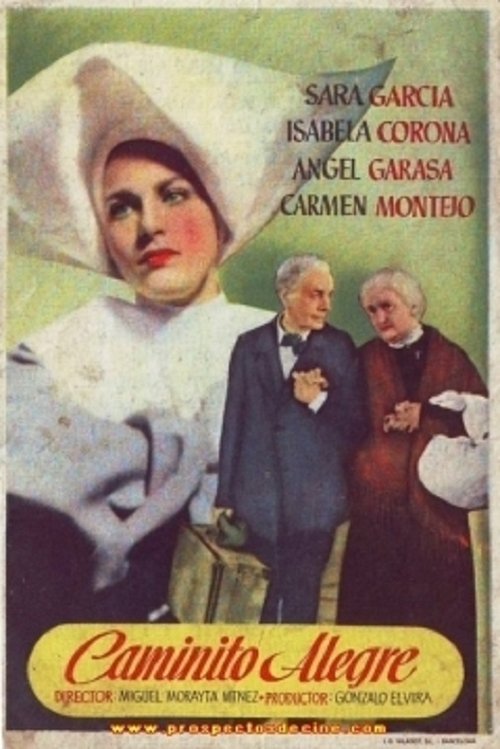
1944
Director
Miguel Morayta
Runtime
102 minutes
Average Rating
No ratings yetNew Showbiz Analysis
Caminito alegre is a period-specific social drama that centers on the lives of the elderly. By placing a homeless man in a communal residential facility, the film explores themes of shared vulnerability and social safety nets. The production benefits from a strong female presence through its top-billed cast, although these roles likely conform to traditional gender roles of the Golden Age of Mexican cinema. The setting provides a micro-sociological look at communal living and the human condition. Ultimately, the film reflects the homogeneous social structures of its time. While it offers meaningful representation of aging, it lacks the systemic challenges or diverse multi-layered complexity found in more progressive modern narratives.
Category Breakdown
The film does not include any non-straight relationships or identities. It adheres closely to the social norms of 1940s Mexican cinema.
Female characters like Sara García play important roles, but their influence may be confined to traditional maternal or domestic duties typical of the era.
The cast primarily consists of Mestizo actors, reflecting the social structure of mid-century Mexico. It offers a contrast to Hollywood’s predominantly white casts but does not incorporate diverse characters who reflect more than one aspect of diversity.
The story explores community support and the challenges faced by the elderly. It aligns with the traditional moral frameworks prevalent in 1940s Mexican society.
The film focuses on the elderly and the physical realities of aging. It provides representation for those navigating the challenges of later life.
Present on Screen
Limited or Absent
Official Synopsis
An elderly homeless man is welcomed into an Old Folks' Home and becomes acquainted with the dramas of several of his companions.
1939
1952
1992

1970
1953
1954
1960
1957
No reviews yet. Be the first to share your thoughts on this movie!
Use the rating form above to leave a star rating and optional review.