
Corpse Party: Missing Footage
2012
No user ratings available yet
Representation score: 5.0 out of 10
Representation Score
Minimal
2004
TV-14Director
Shuhei Morita
Runtime
25 minutes
Average Rating
No ratings yetNew Showbiz Analysis
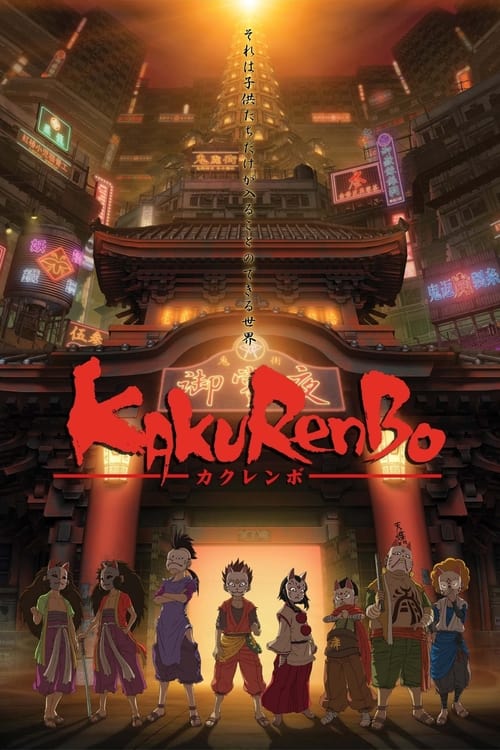
Kakurenbo: Hide & Seek is a genre-specific horror film that prioritizes atmospheric folklore over social representation. The narrative adheres to a traditional, culturally homogeneous framework typical of early 2000s regional animation. The film lacks diverse identities, focusing instead on a localized Japanese setting and childhood rituals. It does not attempt to challenge existing social hierarchies or provide diverse character perspectives. Ultimately, the work functions as a stylistic exploration of supernatural clichés rather than a vehicle for social or cultural commentary.
Category Breakdown
The film focuses on a localized supernatural horror framework centered on childhood rituals. There are no LGBTQ+ characters or depictions of non-straight relationships.
A cast of children drives the plot, which softens some rigid adult gender hierarchies. However, character dynamics remain conventional, lacking significant challenges to traditional masculine or feminine archetypes.
This is a culturally specific Japanese production set in a Japanese urban environment. The cast is homogeneous, reflecting a localized narrative rather than a multicultural one.
The narrative is built upon Japanese folklore and urban legends. It operates within the traditional bounds of Japanese supernatural storytelling rather than critiquing external institutions.
There are no prominent depictions of visible or invisible disabilities or neurodivergence. Characters are defined by their roles in the ritualistic game rather than health identities.
Present on Screen
Limited or Absent
Official Synopsis
Among the ruins of an abandoned city, masked children play a mysterious game of hide-and-seek. A young boy joins the game in search of his sister as one by one, the children are hunted by the demonic residents of the urban sprawl.
2012

1988

2012
2015

2012
1987
1997

1996
No reviews yet. Be the first to share your thoughts on this movie!
Use the rating form above to leave a star rating and optional review.