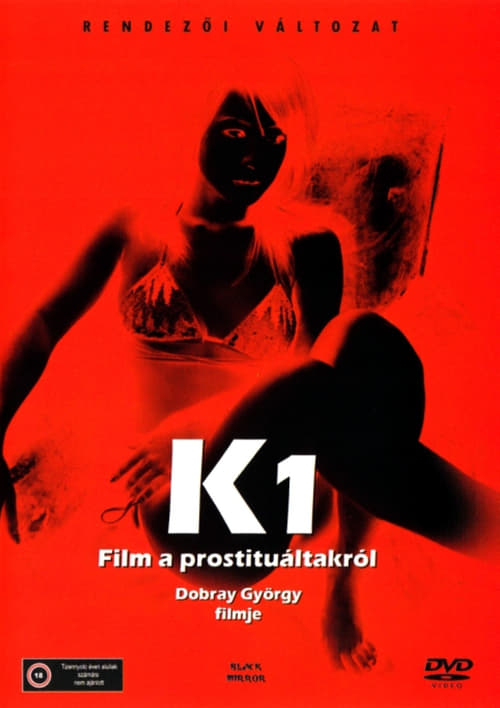
Women's Quarter
1966
No user ratings available yet
Representation score: 4.7 out of 10
Representation Score
Fair
1989
Director
György Dobray
Runtime
86 minutes
Average Rating
No ratings yetNew Showbiz Analysis
György Dobray’s documentary serves as a raw critique of the systemic realities obscured by Hungarian Socialism. By documenting the 'forbidden shadows' of Budapest's sex trade, the film challenges state-sanctioned idealism and official narratives. While the film provides a nuanced look at women operating in underrepresented economic sectors, it is limited by the demographic homogeneity of late-1980s Budapest. The lack of racial and LGBTQ+ representation reflects the specific historical and geographic context of the era. Ultimately, the film's strength lies in its cultural deconstruction. It uses social realism to expose the gap between state-mandated morality and the lived experiences of those on the fringes of society.
Category Breakdown
The film focuses on the street-level sex trade in Budapest. There is no explicit evidence regarding the presence of LGBTQ+ characters or specific non-cisgender identities.
The narrative centers on women navigating a precarious economic sector. It disrupts traditional depictions of femininity by presenting these women as active agents within a complex urban economy.
Set in late 1980s Budapest, the film reflects the era's demographic constraints. There is no evidence of significant racial or ethnic diversity within the Rákóczi Square setting.
The work critiques the facade of social order maintained by Hungarian Socialism. It prioritizes gritty realism over state-mandated morality, challenging the perceived sanctity of socialist institutions.
There is no specific mention of characters or subjects dealing with visible or invisible disabilities.
Present on Screen
Limited or Absent
Official Synopsis
György Dobrai's movie about the prostitution on the streets. Rákóczi Square is the center of the prostitution in Budapest. Everybody knows this much. But not too many people actually know what really goes on behind the scenes. This documentary attempted to cover these unknown spots of the business. Nude screens, rude language and the forbidden shadows of the Hungarian Socialism - the movie was banned for years in that time.
1966

1956
2011
1983
2011
1968
2004
2009
No reviews yet. Be the first to share your thoughts on this movie!
Use the rating form above to leave a star rating and optional review.