Prostitution: What's the Harm?
2014
No user ratings available yet
Representation score: 8.4 out of 10
Representation Score
Good
2004
Not RatedDirector
Nahid Persson Sarvestani
Runtime
59 minutes
Average Rating
No ratings yetNew Showbiz Analysis
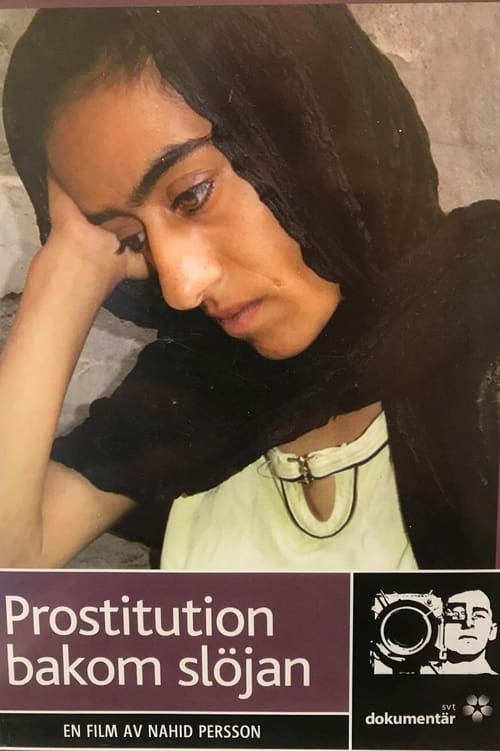
Prostitution: Behind the Veil is a powerful documentary that challenges conventional religious and gender narratives. It weaves together themes of gender oppression, religious fundamentalism, and socioeconomic vulnerability to question traditional power structures. The film's strength lies in highlighting the lived experiences of women in Iran, prioritizing their voices over institutional rules. It avoids the typical Western savior narrative by focusing on internal cultural complexities. While the film excels in representing gender and cultural issues, it does not explicitly focus on LGBTQ+ identities or stories. This omission limits its scope in terms of queer-specific storytelling, despite its broader challenge to straight-centered norms.
Category Breakdown
The film does not focus specifically on LGBTQ+ identities or same-sex relationships. However, it challenges traditional religious constraints that affect many people.
The documentary highlights women who navigate the edges of a strict society. It portrays these women as active individuals rather than passive victims, challenging the authority of patriarchal systems.
The film offers a deep look into the lives of Iranian women. It avoids the typical Western savior narrative by focusing on the internal complexities and active roles of these women within their own culture.
The film criticizes religious institutions as oppressive forces. It presents social non-conformity, such as sex work, as a result of systemic needs rather than simple law-breaking.
There is no significant evidence regarding the portrayal of physical or neurodivergent disabilities in this work.
Present on Screen
Limited or Absent
Official Synopsis
A documentary that follows two young women raising children and supporting drug habits through prostitution in Iran ruled by religious fundamentalists.
2014
2004
2013
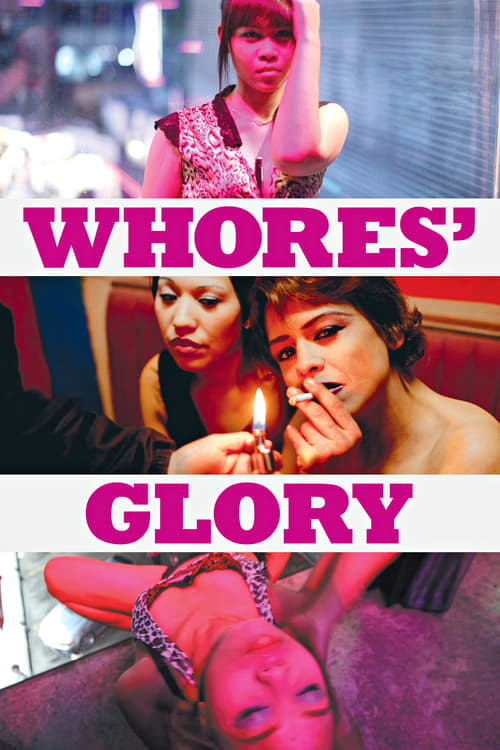
2011
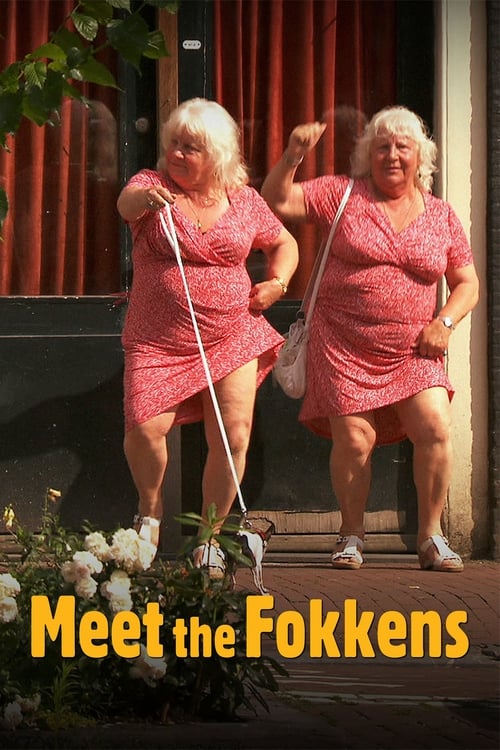
2011
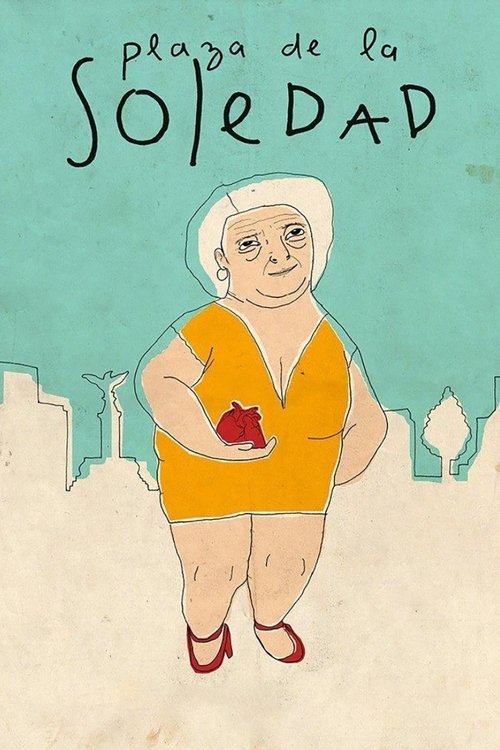
2017
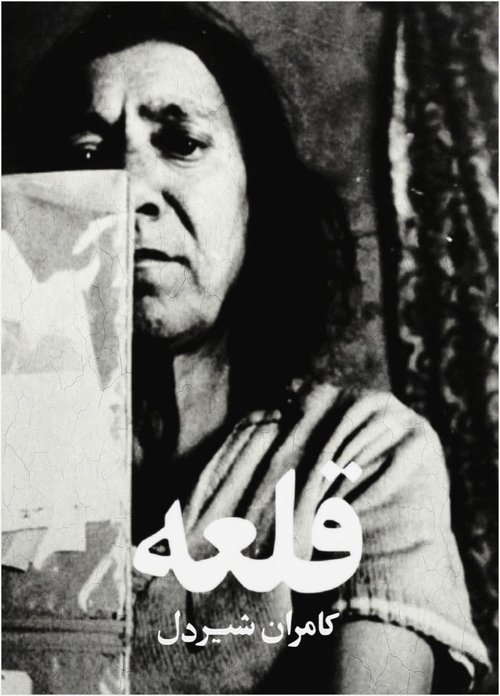
1966
2017
No reviews yet. Be the first to share your thoughts on this movie!
Use the rating form above to leave a star rating and optional review.