Caddie
1976
No user ratings available yet
Representation score: 3.5 out of 10
Representation Score
Fair
1956
Director
René Clément
Runtime
112 minutes
Average Rating
No ratings yetNew Showbiz Analysis
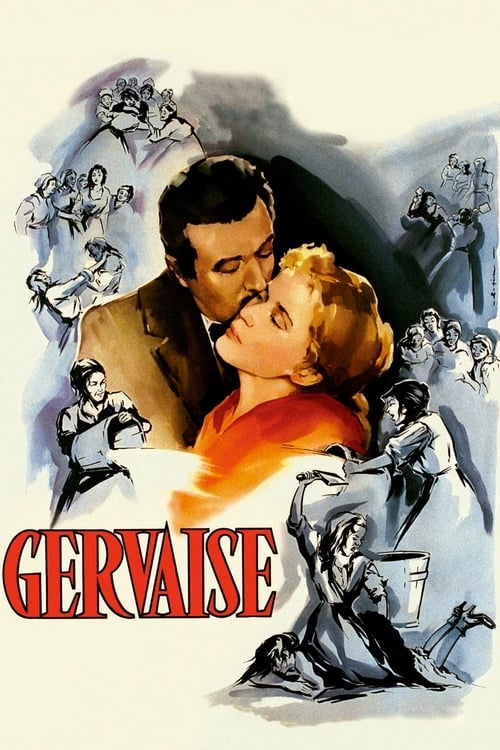
Gervaise is a critical look at the systemic pressures faced by the 19th-century French working class. It avoids idealized views of the working class, using a deterministic perspective to illustrate how socioeconomic structures and addiction diminish individual autonomy. The film excels in its nuanced exploration of class struggles and gendered ability to act. By portraying the characters' decline as a result of systemic poverty, it offers a powerful critique of traditional Western institutional stability. However, the film's historical setting limits its ethnic diversity and excludes any LGBTQ+ representation, maintaining a focus solely on the specific social hierarchies of the time.
Category Breakdown
The film does not include any LGBTQ+ characters or narratives. The social environment reflects strict heterosexual norms typical of the mid-19th century.
Gervaise is the main driver of the story, showing professional competence and determination. Her intellect and work ethic are highlighted as superior to her husband's destructive and unpredictable behavior.
The cast is ethnically uniform, focusing on the identity of the French urban poor. It does not address non-Anglo-Saxon majority dynamics or diverse casting practices.
The film provides a deep critique of 19th-century capitalist systems and institutional failures. It highlights the oppressive nature of lacking social safety nets for the working class.
Alcoholism is shown as a debilitating condition that strips characters of their ability to act independently. These portrayals emphasize the deterministic consequences of alcoholism rather than character-driven actions.
Present on Screen
Limited or Absent
Official Synopsis
Gervaise Macquart is a beautiful Parisian laundress and mother whose lover, Lantier, walks out on her. She eventually marries Henri Coupeau, a roofer who has an unfortunate accident. As her now crippled husband descends into alcoholism, Gervaise tries to make ends meet on her own. Life becomes even more complicated when Lantier returns and befriends Henri. Meanwhile, the man she really loves is sent to prison.
1976

1938
1955
1967

1926

1945
1974

1963
No reviews yet. Be the first to share your thoughts on this movie!
Use the rating form above to leave a star rating and optional review.