Nocturne
1946
No user ratings available yet
Representation score: 2.7 out of 10
Representation Score
Fair
1945
NRDirector
Edgar G. Ulmer
Runtime
62 minutes
Average Rating
No ratings yetNew Showbiz Analysis
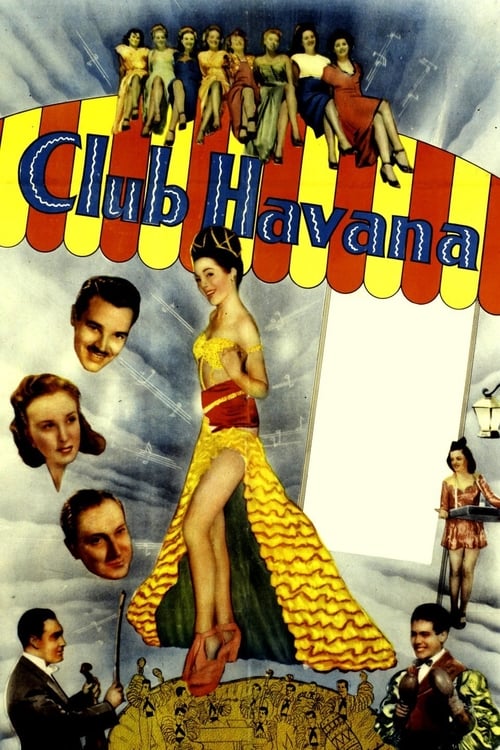
Club Havana operates as a period-specific melodrama that reflects the social constraints of the mid-1940s. While the Cuban setting provides a departure from standard American landscapes, the film does not appear to disrupt the era's systemic norms. The narrative structure relies on traditional hierarchies. Without evidence of actively leading characters of color or queer subtext, the film remains a product of its time, prioritizing atmospheric noir elements over diverse representation.
Category Breakdown
The film does not include any documented evidence of LGBTQ+ characters or non-straight identities. It follows the straight-centered structures typical of 1945 melodramas.
Female characters likely play traditional roles such as the femme fatale or victim. There is no evidence of women driving the plot through intellectual or physical superiority.
The Havana setting provides a non-Anglo-Saxon environment, but it is unclear if this offers meaningful representation. The film may use the location as a mere aesthetic backdrop.
The focus on a fashionable Latin nightclub suggests a specific cultural milieu. However, the narrative seems to follow conventional dramatic structures rather than critiquing Western institutions.
There is no evidence of characters with visible or invisible disabilities being portrayed with real power. The film lacks narrative arcs involving neurodivergence or physical disability.
Present on Screen
Limited or Absent
Official Synopsis
A number of different characters unfolding love, hate, and death problems during an evening in a fashionable Latin nightclub.
1946

1946
1952
1944
1947
1947
1947
1953
No reviews yet. Be the first to share your thoughts on this movie!
Use the rating form above to leave a star rating and optional review.