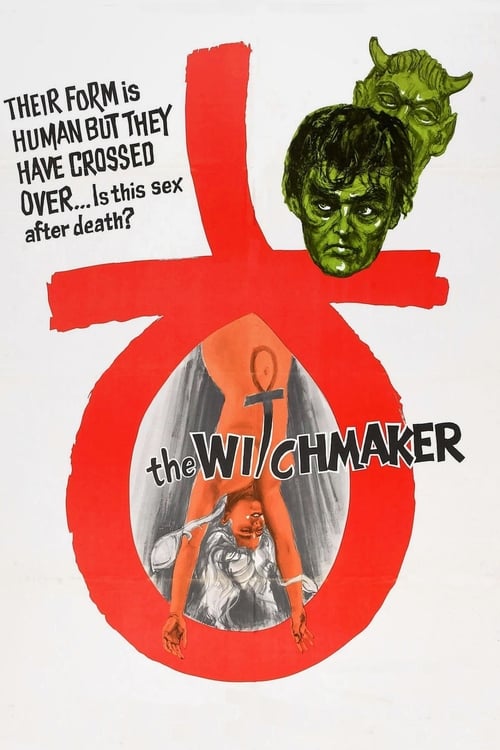
The Witchmaker
1969
No user ratings available yet
Diversity score: 3.2 out of 10
1972
PGDirector
Harry Thomason
Runtime
90 minutes
Average Rating
No ratings yetSynopsis
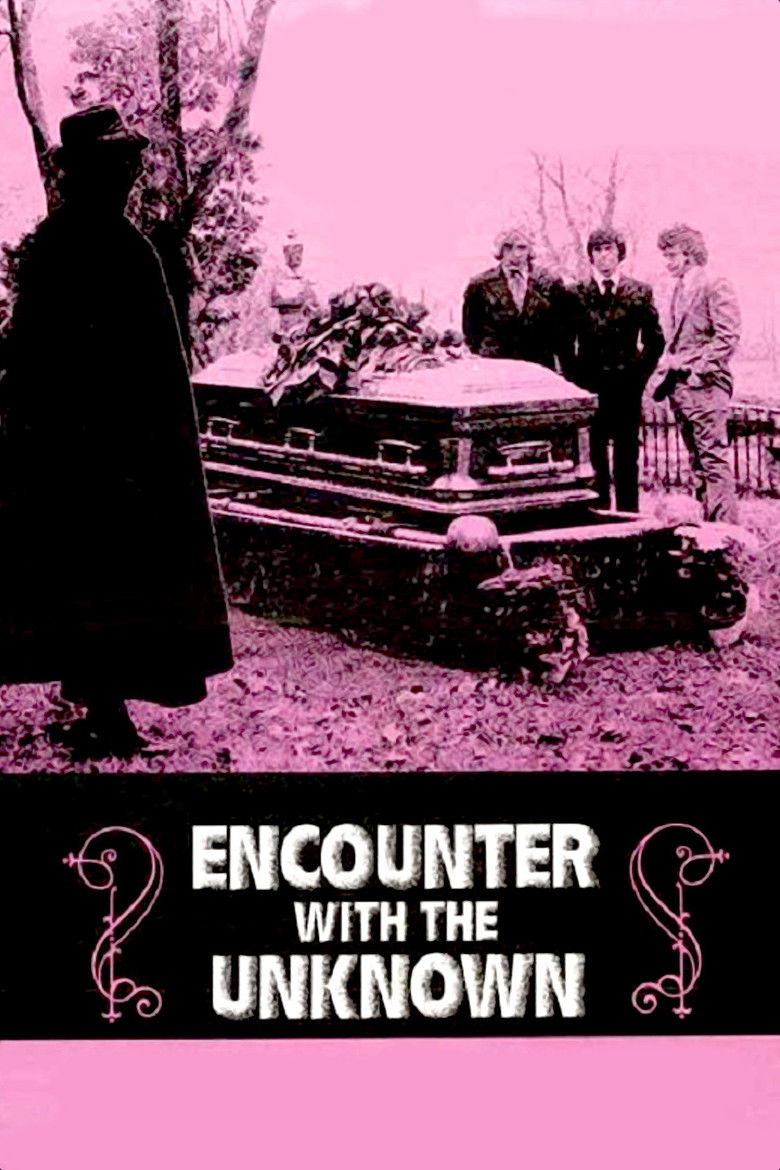
Three eerie tales based on actual events are enacted in this film. First, three college students play a prank on a geeky classmate, who is accidentally shot and killed. His vengeful mother forecasts the deaths of the three young men she holds responsible, on 7, 14, and 21 days hence. And, one by one, her grim predictions come true. Next, a ghoulish sound emanates from a mist-shrouded hole in the Earth near where a Missouri boy has lost his dog. The boy's father is lowered into the hole and lets out an agonizing scream! Finally, a senator returning home from a party finds a lost girl on a bridge and learns from her father that she died years earlier
Overall Score
Limited
Category Breakdown
LGBTQ+ Representation
The film focuses on traditional interpersonal conflicts and supernatural encounters. There is no evidence of non-cisnormative identities or narratives that critique heteronormativity.
Gender Representation
Narrative segments rely on traditional archetypes, such as a vengeful mother and paternal figures. Women do not occupy roles that challenge patriarchal structures.
Racial & Ethnic Diversity
The characters, including college students and a senator, suggest a demographic focus typical of mid-century American cinema. The casting appears to reflect the homogeneous patterns of the early 1970s.
Religious & Cultural Diversity
The stories function as cautionary tales rooted in traditional moral causality. They do not offer a systemic critique of Western institutions like religion or capitalism.
Disability Representation
A 'geeky classmate' is used as a catalyst for tragedy. This character lacks agency, serving more as a plot device than a nuanced portrayal.
Strengths
Areas for Improvement
AI Analysis
Encounter with the Unknown is a conventional 1970s horror anthology that adheres strictly to the social and narrative norms of its era. The film relies on established genre tropes, such as vengeful spirits and supernatural justice, rather than exploring diverse perspectives. The storytelling focuses on traditional hierarchies and archetypes. Characters are defined by their roles within standard social structures—such as parents, students, or politicians—without any significant subversion of gender or racial norms. Ultimately, the film functions as a collection of moralistic cautionary tales. It lacks intentional intersectional representation, reflecting the homogeneous casting and narrative frameworks common to mid-century American genre cinema.
1969
1981
1965
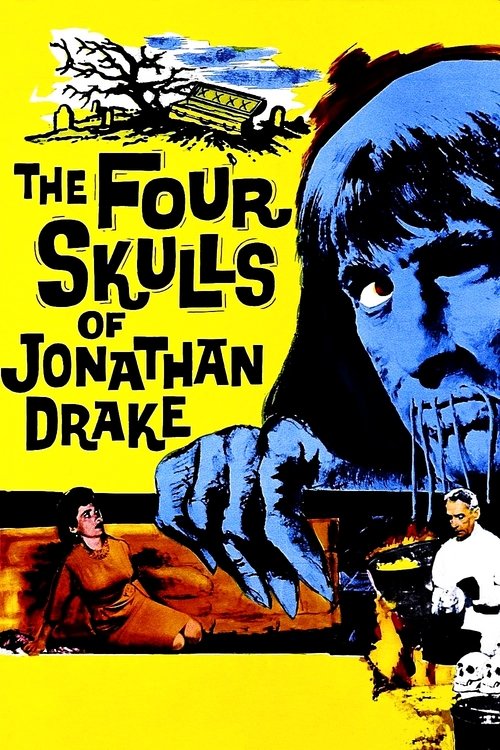
1959
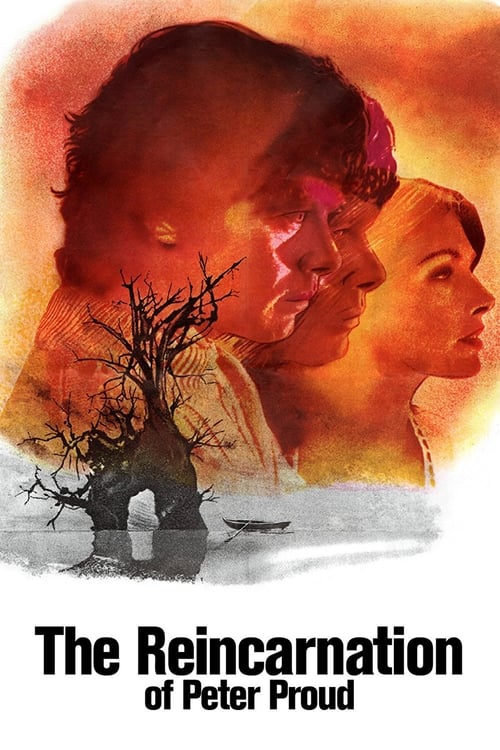
1975
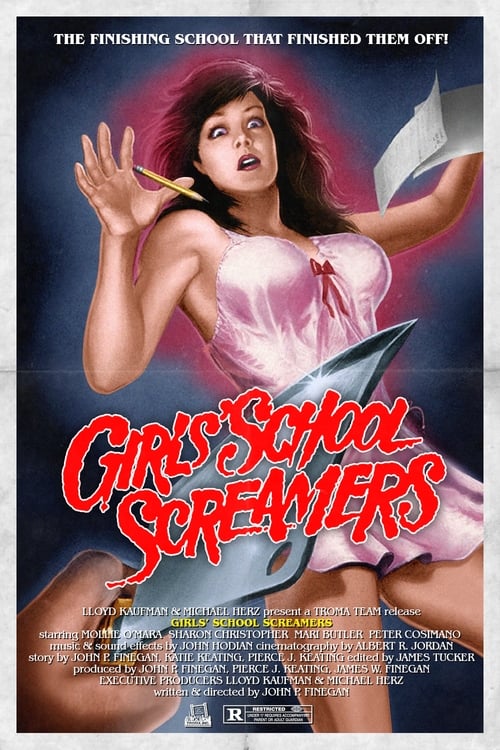
1986
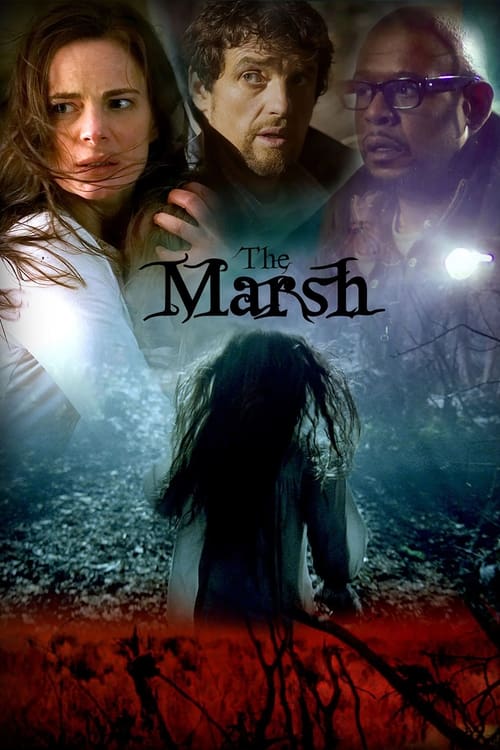
2006
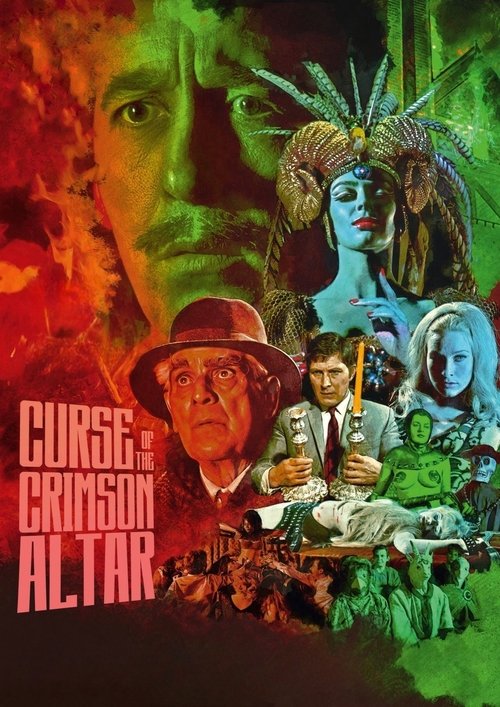
1968
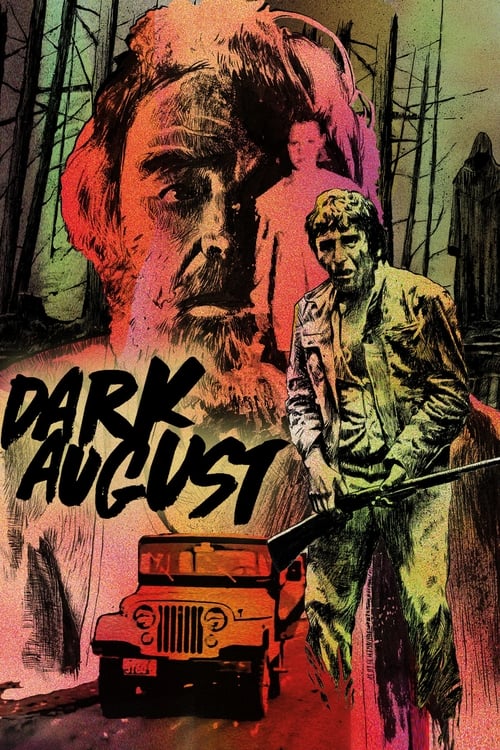
1976
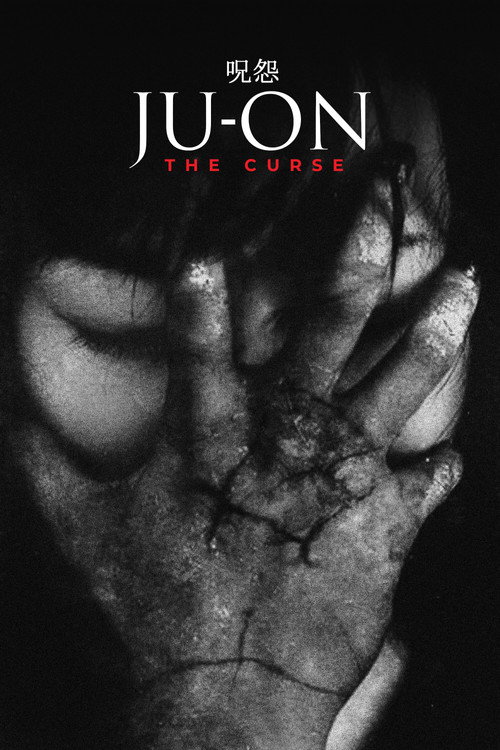
2000
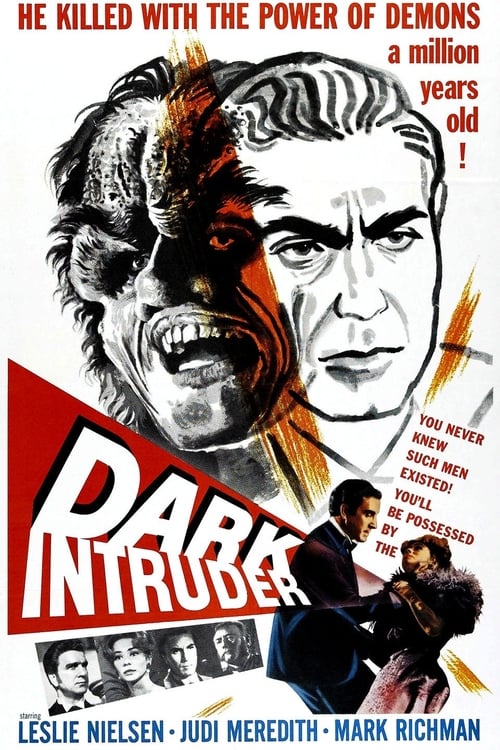
1965
1982
No reviews yet. Be the first to share your thoughts on this movie!
Use the rating form above to leave a star rating and optional review.