Man-Trap
1961
No user ratings available yet
Representation score: 0.6 out of 10
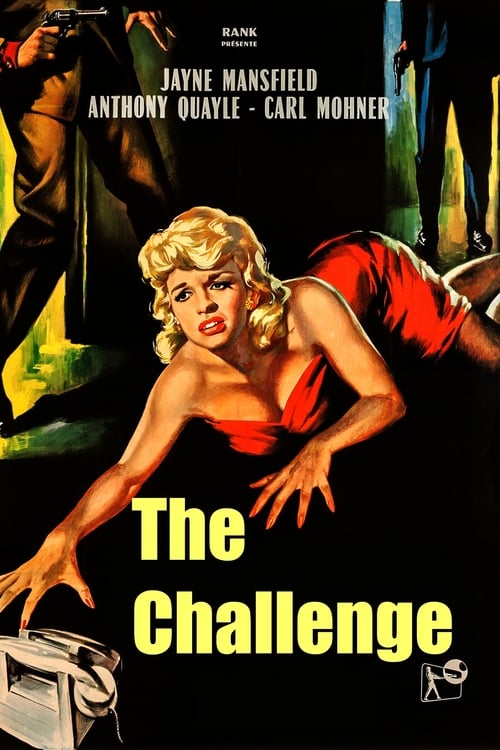
Representation Score
Limited
1960
NRDirector
John Gilling
Runtime
101 minutes
Average Rating
No ratings yetNew Showbiz Analysis
The Challenge is a product of its era, characterized by traditional casting and narrative structures. It relies on the stylistic conventions of 1960s British genre cinema rather than social deconstruction. While the film offers nuanced character roles within the psychological suspense genre, it lacks complexity in representing diverse identities. The representation remains largely homogeneous and adheres to the period's established social hierarchies.
Category Breakdown
There are no LGBTQ+ characters or non-cisgender identities in the film. The interpersonal dynamics follow traditional heterosexual structures typical of 1960s British cinema.
A female gang leader provides some ability to act, suggesting a departure from submissive archetypes. However, the central tension revolves around traditional power dynamics and masculine authority.
The cast is predominantly white and Anglo-Saxon, reflecting the homogeneous social structures of the time. There are no characters of color or racial blending.
The setting highlights socioeconomic class distinctions within a traditional Western framework. It does not explicitly critique established social orders or prioritize secularism.
An elderly, disabled character serves as a focal point for the narrative, functioning primarily as a catalyst for psychological suspense and plot tension.
Present on Screen
Limited or Absent
Official Synopsis
Jailed for his role in a gang heist and ditched by its female leader (Jayne Mansfield), a widower (Anthony Quayle) decides to keep the loot.
1961

1955
1959
1964
1960
1950
1961
1952
No reviews yet. Be the first to share your thoughts on this movie!
Use the rating form above to leave a star rating and optional review.