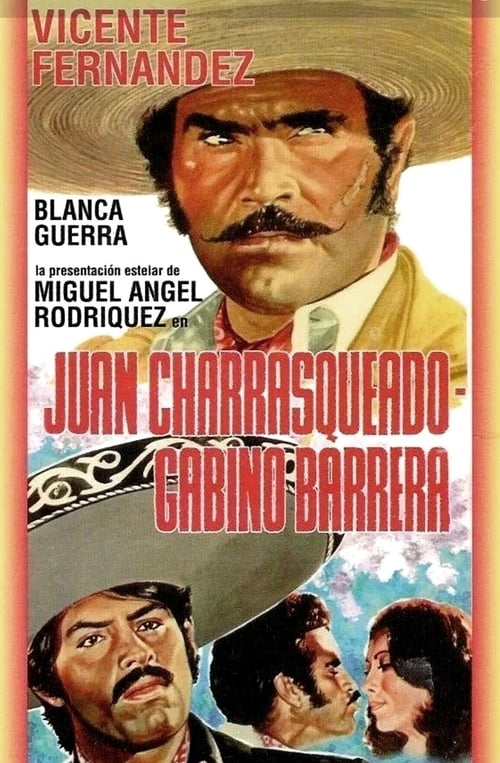
Juan Charrasqueado y Gabino Barrera
1982
No user ratings available yet
Representation score: 5.1 out of 10
Representation Score
Limited
1967
Director
Emilio Fernández
Runtime
0 minutes
Average Rating
No ratings yetNew Showbiz Analysis
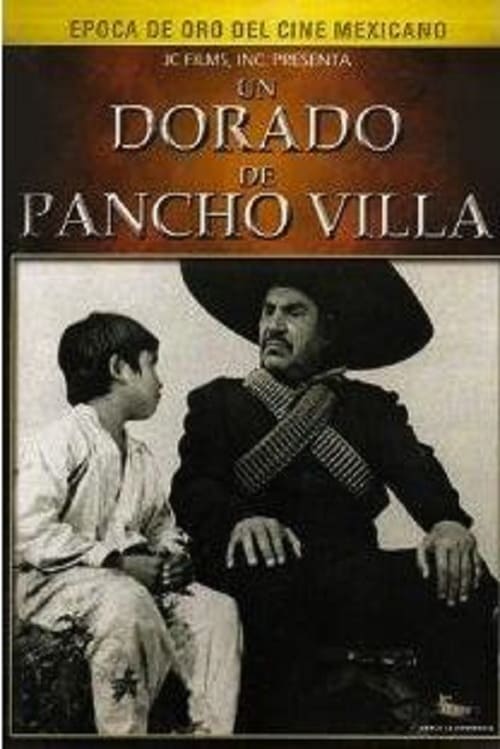
Un dorado de Pancho Villa is a significant work of nationalistic cinema that challenges Western political dominance. By centering the Mexican peasantry, it offers a sophisticated critique of established power structures. However, the film remains traditional in its treatment of gender and identity. While it excels in racial and cultural authenticity, it lacks representation of LGBTQ+ individuals and provides limited roles for women. Overall, the film stands as a strong example of post-colonial storytelling, emphasizing the fight for sovereignty and the dismantling of corrupt, centralized authority.
Category Breakdown
The film focuses on a male-dominated revolutionary regiment. There is no depiction of LGBTQ+ identities or same-sex relationships.
Women are primarily shown in domestic or supportive roles and are rarely involved in the main military or political storylines.
The film features a predominantly Mexican cast of indigenous and mixed heritage. This highlights local ability to act and disrupts Eurocentric norms.
The film criticizes the Porfirian regime and political elites. It portrays land reform as essential to breaking down oppressive systems.
There is no significant portrayal of physical or cognitive disabilities in the film.
Present on Screen
Limited or Absent
Official Synopsis
Villa's regiment demobilizes at the end of the Revolution, but the ruling faction in the provisional government isn't eager to see them reintegrate into civilian society.
1982
1969
1974

1980
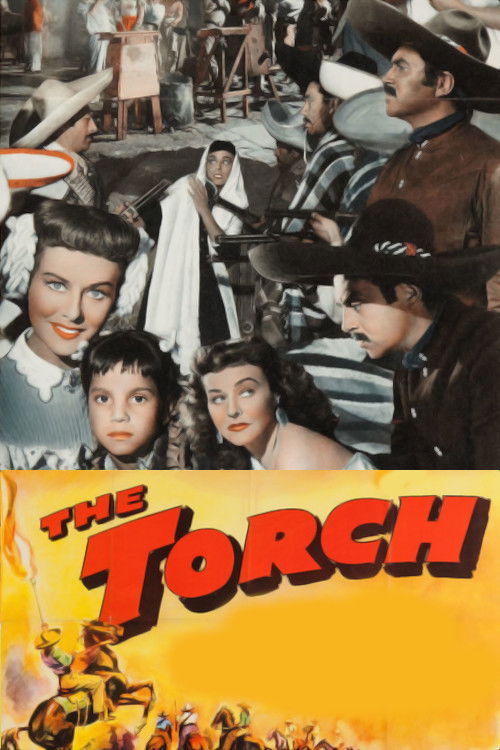
1950
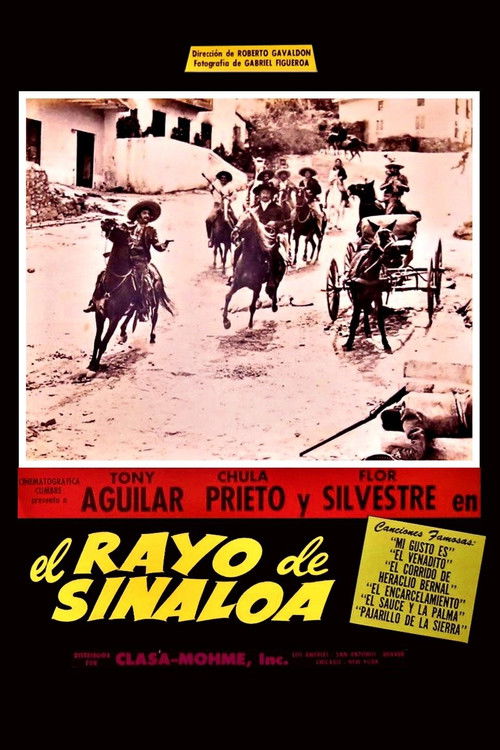
1958
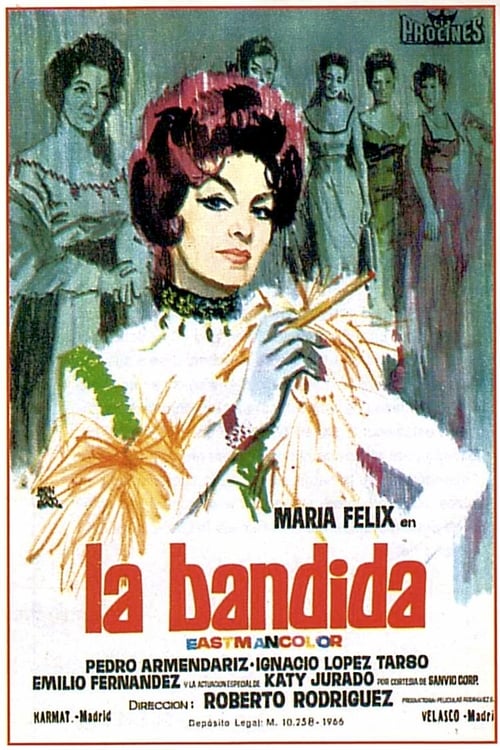
1963
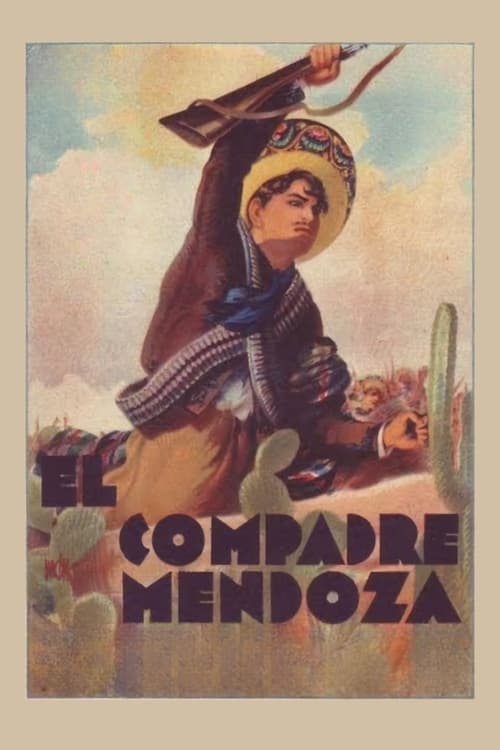
1934
No reviews yet. Be the first to share your thoughts on this movie!
Use the rating form above to leave a star rating and optional review.