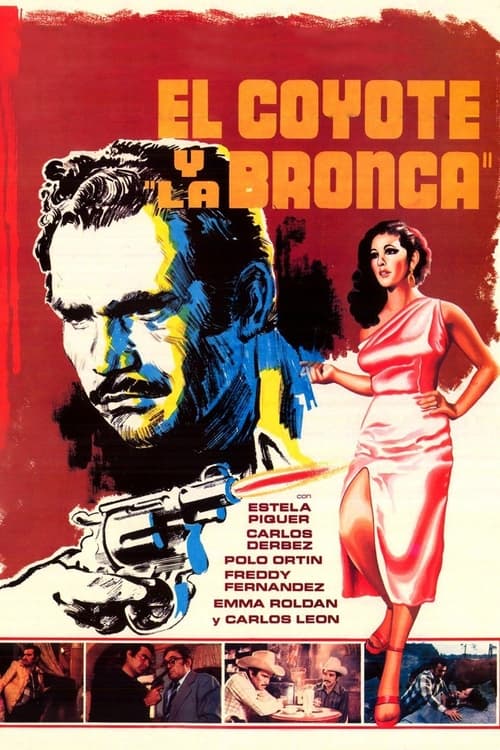
Coyote and Bronca
1980
No user ratings available yet
Diversity score: 5.9 out of 10
1982
Director
Rafael Villaseñor Kuri
Runtime
105 minutes
Average Rating
No ratings yetSynopsis
Revolution-era Mexico: two well-known bandits hook up, then join forces with an outlaw woman.
Overall Score
Fair
Category Breakdown
LGBTQ+ Representation
The film lacks explicit LGBTQ+ identities or non-heteronormative romantic arcs. The narrative focuses on a traditional alliance between male bandits and a female outlaw.
Gender Representation
An outlaw woman joins the male protagonists, disrupting standard domestic feminine roles. This provides her with significant agency within a violent, mobile context.
Racial & Ethnic Diversity
The story centers Mexican identity and historical struggle during the Revolution. It prioritizes indigenous and mestizo agency over Western-centric or Hollywood-standardized racial hierarchies.
Religious & Cultural Diversity
The narrative critiques state legitimacy by centering on bandits and outlaws. This framework explores subjective morality against systemic pressures rather than state-sanctioned views.
Disability Representation
There is no documented evidence regarding the portrayal of physical or neurodivergent disabilities in this production.
Strengths
Areas for Improvement
AI Analysis
The film functions as a period adventure that centers Mexican historical agency. By focusing on outlaws during the Revolution, it moves away from Western-centric perspectives and explores life outside formal state structures. While the film provides meaningful subversion of traditional social hierarchies, it lacks modern intersectional markers. The narrative relies on traditional gendered alliances and lacks visible LGBTQ+ representation. Ultimately, the work succeeds in presenting a localized, non-institutional perspective. It uses the outlaw trope to grant agency to characters who exist on the margins of society.
No reviews yet. Be the first to share your thoughts on this movie!
Use the rating form above to leave a star rating and optional review.