
A Tale of Three Cities
2015
No user ratings available yet
Representation score: 5.6 out of 10
Representation Score
Good
1997
Director
Mabel Cheung Yuen-Ting
Runtime
145 minutes
Average Rating
No ratings yetNew Showbiz Analysis
The film stands out by emphasizing the intellectual and social ability to act of its female characters within a traditionally patriarchal society. Instead of being mere supporting figures, the Soong sisters are shown as active participants in the political landscape. Additionally, the film provides a compelling non-Western perspective on historical events. By focusing on the Chinese elite and their engagement with global politics, it avoids the typical Western-centric narratives found in many historical dramas. However, the film remains confined to traditional social structures. It lacks representation of LGBTQ+ identities and does not explore disabilities, resulting in a narrower social scope.
Category Breakdown
The film follows a traditional historical framework focused on heterosexual marriages. There are no depictions of non-binary gender identities or same-sex relationships.
The plot challenges traditional gender roles by highlighting the ability to act of the female characters. The sisters are portrayed as intellectual leaders rather than passive wives.
The film offers a strong portrayal of non-Western characters. It avoids Western-centric whitewashing by showcasing the complexities of post-colonial identity through a localized lens.
The narrative explores the tension between traditional Chinese values and Western capitalism during wartime. It depicts the chaos and complexity of cultural upheaval without a single moral perspective.
There is no significant focus on visible or invisible disabilities. The story prioritizes socioeconomic and political themes over the exploration of physical or neurodivergent conditions.
Present on Screen
Limited or Absent
Official Synopsis
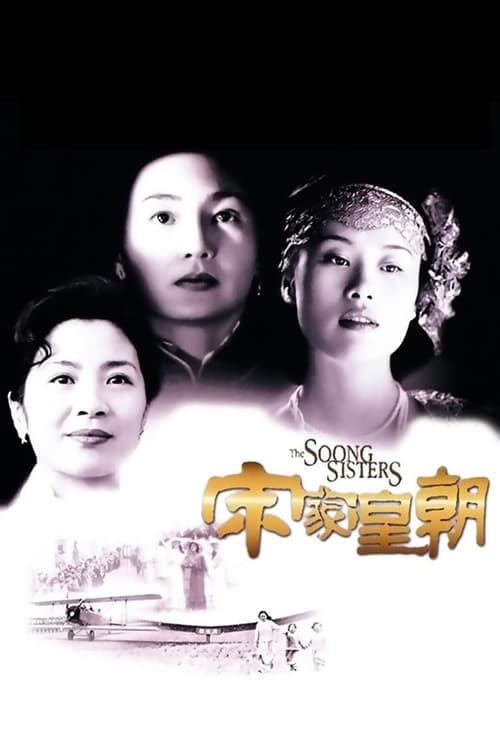
Ai-ling married a wealthy and powerful businessman. Ching-ling married Sun Yat-sen, the revolutionary founder of modern China. Mei-ling married Chiang Kai-shek, China's leader during World War II. The sisters captured the world's fascination for their brilliant marriages and their strong influence on their nation.
2015
2011
1937
1934

1937
1981

2000

1937
No reviews yet. Be the first to share your thoughts on this movie!
Use the rating form above to leave a star rating and optional review.