
Messiah of Evil
1975
No user ratings available yet
Representation score: 4.5 out of 10
Representation Score
Good
1943
ApprovedDirector
Mark Robson
Runtime
71 minutes
Average Rating
No ratings yetNew Showbiz Analysis
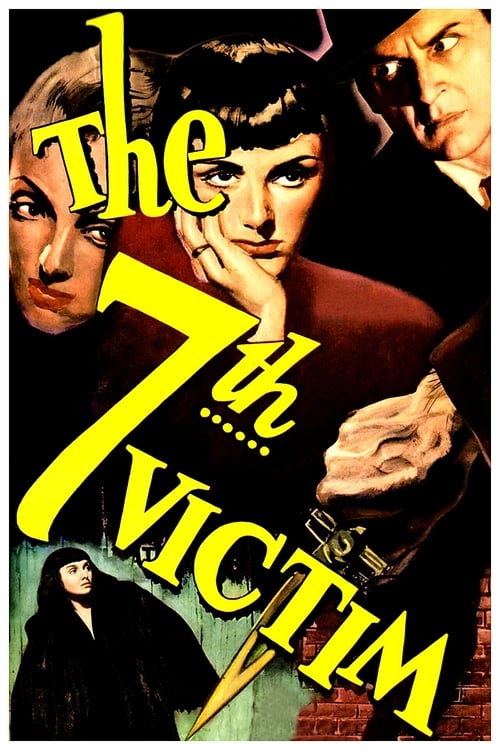
The Seventh Victim stands out for its sophisticated subversion of traditional gender roles. By positioning women as the architects of a predatory social structure, the film avoids the era's typical 'damsel in distress' clichés. However, the film is constrained by the historical context of 1943. The lack of racial and LGBTQ+ representation keeps the overall score modest, as the cast remains largely homogeneous. Ultimately, the film's strength lies in its psychological depth and its willingness to deconstruct communal morality through its depiction of a hidden, corrupt subculture.
Category Breakdown
The film does not explicitly address LGBTQ+ identities or challenge assumptions about straight relationships. It focuses on a gender-based conspiracy rather than sexual orientation issues.
The story challenges mid-century gender roles by centering a female-led conspiracy. Women play key roles as active agents of danger, with Mary Gibson showing significant independence and control over her actions.
The casting is predominantly white, reflecting the social norms of 1943. While the ensemble includes various European ethnic backgrounds, there is no intentional effort to include diverse racial backgrounds.
The film critiques traditional social structures by depicting a secret society operating beneath polite society. This subculture justifies its actions using moral relativism.
The mystery explores psychological instability and paranoia but lacks characters with visible or neurodivergent disabilities. The tension relies on atmospheric elements rather than the lived experiences of disability.
Present on Screen
Limited or Absent
Official Synopsis
After young Mary Gibson discovers that her older sister Jacqueline has disappeared, she leaves her boarding school and heads to New York City to track down her sibling. But Mary gets drawn deeper into the mystery.
1975

1933

1977
1960
1962
1976
2006
1944
No reviews yet. Be the first to share your thoughts on this movie!
Use the rating form above to leave a star rating and optional review.