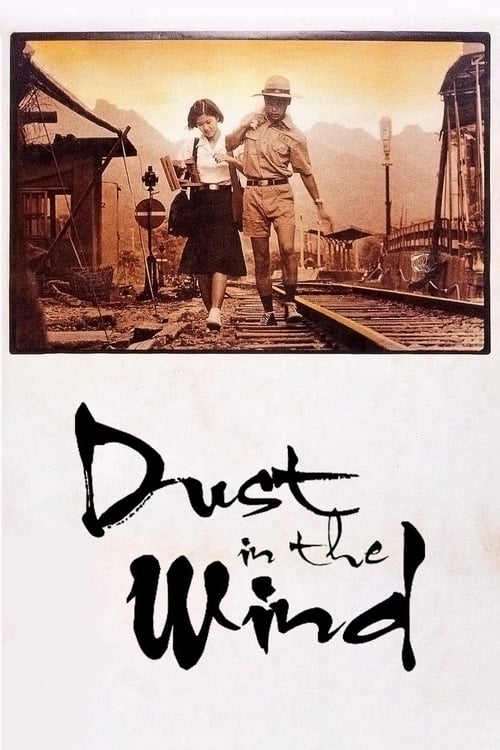
Dust in the Wind
1986
No user ratings available yet
Representation score: 4.2 out of 10

Representation Score
Fair
1981
Director
Hou Hsiao-hsien
Runtime
90 minutes
Average Rating
No ratings yetNew Showbiz Analysis
Hou Hsiao-hsien’s film is a localized, postmodern study of youth and social transition in Taiwan. It prioritizes atmosphere and observational realism over conventional plot progression, resulting in a narrative that feels aimless and fragmented. While the film excels at rejecting Western cinematic structures and traditional storytelling, it remains ethnically and identity-wise homogeneous. The lack of explicit queer or diverse ethnic representation keeps the diversity scores low. Ultimately, the work functions as a critique of institutional structures through omission. It captures a specific era of Taiwanese life, though it relies on certain narrative clichés regarding disability.
Category Breakdown
The film does not include explicit LGBTQ+ characters or identities. Social interactions focus on conventional romantic and platonic connections within the 1980s Taipei setting.
Characters avoid rigid hierarchies and melodramatic clichés of submissive femininity. While gender roles are softened by urban malaise, the film maintains the existing gendered status quo.
The cast is ethnically uniform, focusing on Han Chinese life in Taiwan. It lacks non-Western majority dynamics but offers an authentic rejection of Western cinematic hegemony.
The narrative emphasizes subjective experience over singular moral or religious messages. It implicitly critiques traditional institutions like family and state through detachment and an emphasis on individualistic existentialism.
A blind man serves as a central emotional catalyst for the protagonist. However, the focus on his impending sight-restoring operation risks treating his disability as a plot device.
Present on Screen
Limited or Absent
Official Synopsis
A photographer travels with her boyfriend to a seaside village in Penghu. There she strikes up a relationship with a blind man. When they reencounter one another back in Taipei, where he is preparing to undergo an operation to restore his sight, their connection intensifies.
1986

1993

1986
1991

2017
1996

2004

2006
No reviews yet. Be the first to share your thoughts on this movie!
Use the rating form above to leave a star rating and optional review.