
Demon Slayer: Kimetsu no Yaiba - Tsuzumi Mansion Arc
2022
No user ratings available yet
Representation score: 3.9 out of 10
Representation Score
Fair
2025
RDirector
Haruo Sotozaki
Runtime
156 minutes
Average Rating
No ratings yetNew Showbiz Analysis
The film’s primary strength lies in its authentic cultural representation, offering a non-Western fantasy perspective with a person of color as the protagonist. This cultural specificity provides a rich, non-Western setting grounded in Japanese folklore. However, the narrative structure remains conservative regarding gender and sexuality. Female characters are frequently relegated to supportive roles or tragic victims, while the story reinforces rigid moral binaries and traditional hierarchies. The lack of multi-layered depth limits its progressive impact. Ultimately, the film succeeds in showcasing diverse cultural storytelling but fails to challenge traditional societal norms. Its reliance on shounen clichés and binary morality results in a moderate diversity score, reflecting cultural richness without substantive social critique.
Category Breakdown
The film does not include any explicit LGBTQ+ characters or queer subtext. Romantic and familial relationships are strictly heterosexual, with no depictions of non-traditional gender identities or same-sex intimacy.
Female warriors such as Shinobu Kocho are primarily used as emotional anchors or victims, often suffering 'fridging' to motivate male protagonists. Masculinity is portrayed through stoic, traditional lenses without addressing toxic traits or challenging male leadership.
The film showcases authentic Taisho-era Japanese aesthetics and features a person of color as the protagonist. However, this cultural specificity lacks depth in terms of how different parts of someone's identity overlap, focusing instead on internal cultural norms.
Traditional Japanese values of duty and honor are presented as absolute moral goods, reinforcing binary distinctions between good and evil. The narrative avoids moral relativism or systemic critiques, presenting villains as inherently evil without exploring their motivations.
Characters with physical or mental struggles are often used as plot devices to highlight resilience, overcoming limitations through supernatural willpower. This approach frames disability as an obstacle to overcome rather than a lived identity, lacking nuanced representation.
Present on Screen
Limited or Absent
Official Synopsis
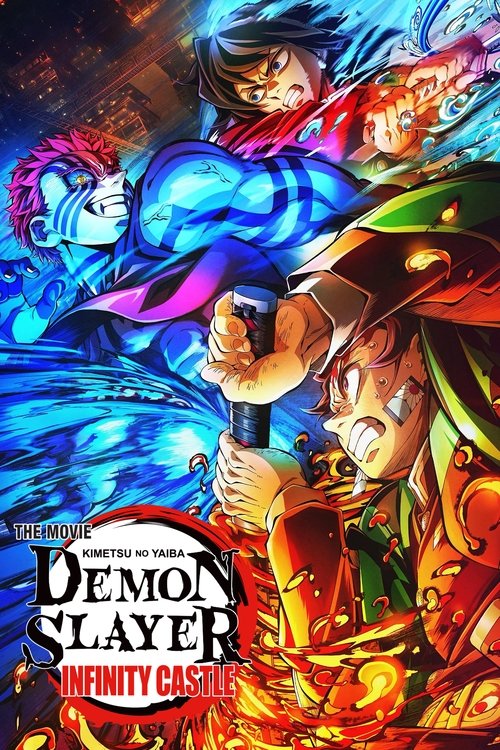
The Demon Slayer Corps are drawn into the Infinity Castle, where Tanjiro, Nezuko, and the Hashira face terrifying Upper Rank demons in a desperate fight as the final battle against Muzan Kibutsuji begins.
2022
2021
2023
2025
2021
2023
2025

2022
No reviews yet. Be the first to share your thoughts on this movie!
Use the rating form above to leave a star rating and optional review.