
I Love Miami
2006
No user ratings available yet
Representation score: 6.1 out of 10
Representation Score
Good
2016
Director
Eduardo Casanova
Runtime
5 minutes
Average Rating
No ratings yetNew Showbiz Analysis
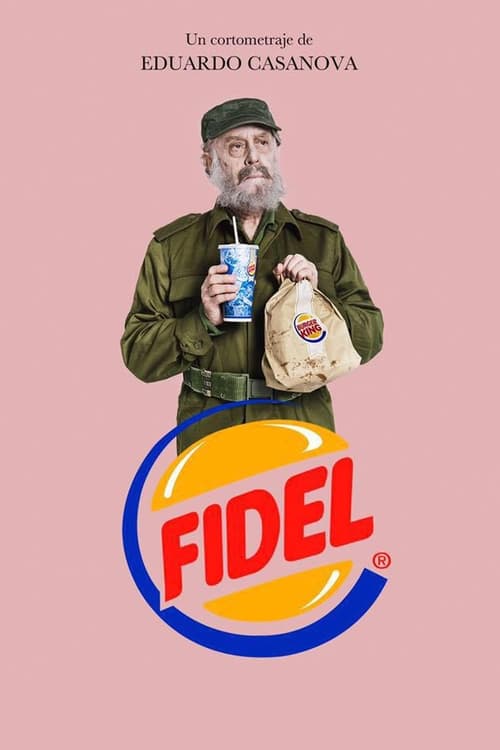
Fidel serves as a sophisticated study of cultural transition, using a postmodern lens to critique both revolutionary and capitalist structures. The film excels at disrupting conventional expectations of national identity and institutional stability. The narrative's strength lies in its exploration of the intersection between post-colonial identity and globalized capitalism. By centering a non-Anglo-Saxon perspective, it provides a platform for actively leading ethnic storytelling. However, the film's focus on the decline of patriarchal authority and the rise of consumerism leaves certain areas, such as specific female character development, less defined.
Category Breakdown
The film explores non-traditional identities through a lens of social change. It suggests a move away from strict, straight-centered constraints by focusing on individual lifestyles.
The narrative disrupts traditional hierarchies by focusing on the decline of a singular patriarchal figure. However, it lacks specific character arcs for female protagonists.
The film centers the Cuban experience and post-colonial identity. It challenges Western-centric hegemony by exploring the tension between local revolutionary identity and global capitalism.
The story offers a progressive critique of traditional institutions and state-mandated collectivism. It explores the shift from revolutionary ideals toward modern, individualistic consumerism.
There is no explicit evidence regarding the portrayal of visible or invisible disabilities within the narrative.
Present on Screen
Limited or Absent
Official Synopsis
Cuba, as we knew it, is dying. The US Embassy has just opened in Cuba, and the Cuban in the USA after 54 years. Cubans are craving to be connected to the Internet, buy at Zara, eat at Burger King and have Apple gadgets Nevertheless, Fidel, the leader of the Revolution, is alone and hiding. He is, like Cuba, in decline.
2006
2017
2014

1964
1979

2005
1994
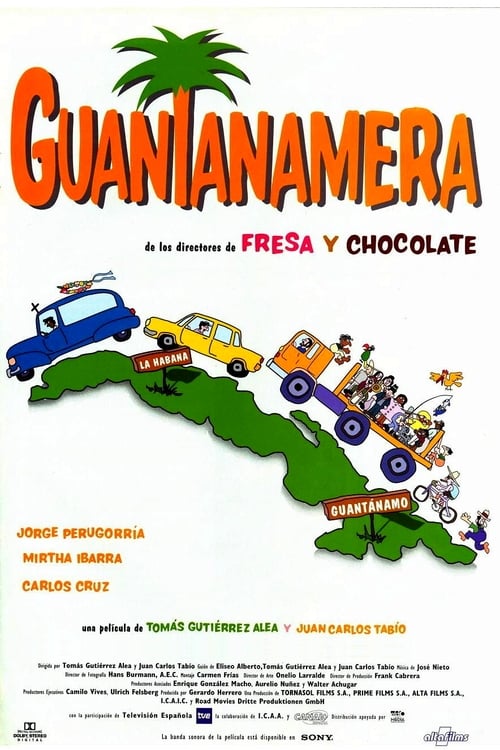
1995
No reviews yet. Be the first to share your thoughts on this movie!
Use the rating form above to leave a star rating and optional review.