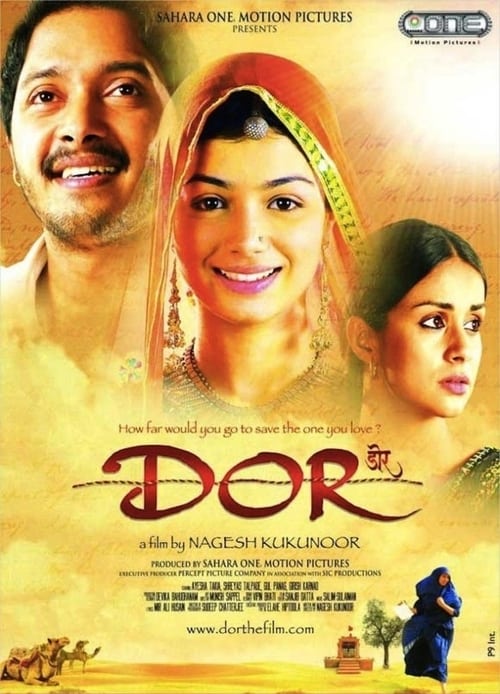
Dor
2006
No user ratings available yet
Representation score: 4.8 out of 10

Representation Score
Good
1998
Director
Govind Nihalani
Runtime
152 minutes
Average Rating
No ratings yetNew Showbiz Analysis
Govind Nihalani’s work serves as a potent social critique, moving beyond domestic melodrama to examine the friction between individual control and state power. The film uses a mother's personal grief to deconstruct institutional hierarchies and systemic corruption. The narrative succeeds in centering a female protagonist within a male-dominated political landscape, granting her a leading role and intellectual depth. It avoids the homogeneity of mainstream cinema by focusing on class and socio-economic margins. However, the film's focus on political and class identity leaves little room for the exploration of sexual orientation or disability. The representation remains centered on socio-political issues rather than diverse identity markers.
Category Breakdown
The film focuses primarily on revolutionary struggle and maternal grief. There is no specific evidence of LGBTQ+ identities or non-cisgender gender representations within the narrative.
The story challenges traditional gender roles by centering on a woman's intellectual journey. She is an active protagonist who questions political systems rather than a passive, suffering figure.
The narrative offers a nuanced look at Indian social stratification. It explores the intersections of class and caste, prioritizing the experiences of those on the margins.
The film engages deeply with anti-establishment themes and critiques state authority. It frames revolutionary struggle as a complex moral inquiry rather than a simple criminal act.
There is no discernible evidence regarding the portrayal of physical or neurodivergent disabilities in the film.
Present on Screen
Limited or Absent
Official Synopsis
A bank worker tries to understand her son's actions after he dies in a revolutionary movement.
2006
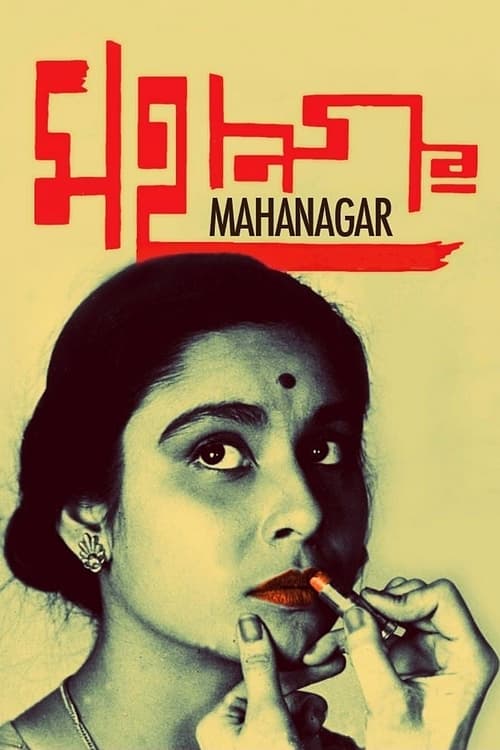
1963
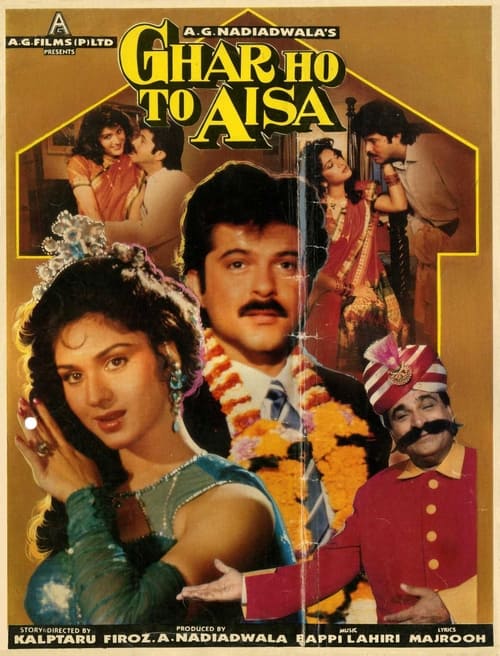
1990
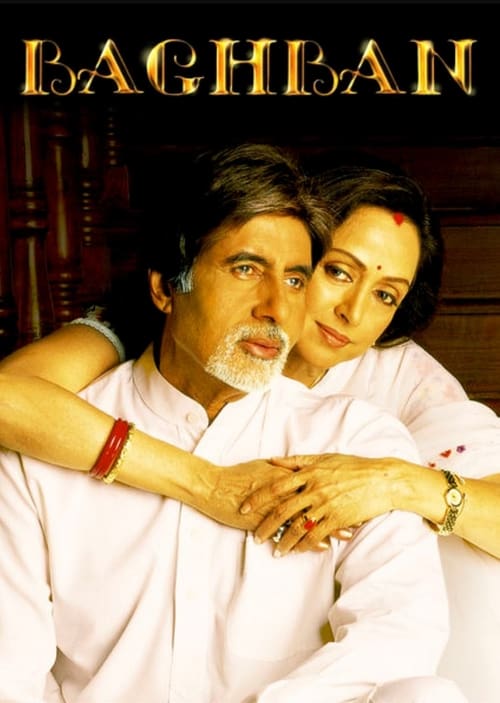
2003

1984

2005
1990
1989
No reviews yet. Be the first to share your thoughts on this movie!
Use the rating form above to leave a star rating and optional review.