Napolitaners
2017
No user ratings available yet
Representation score: 3.7 out of 10
Representation Score
Fair
1998
Director
Matteo Garrone
Runtime
44 minutes
Average Rating
No ratings yetNew Showbiz Analysis
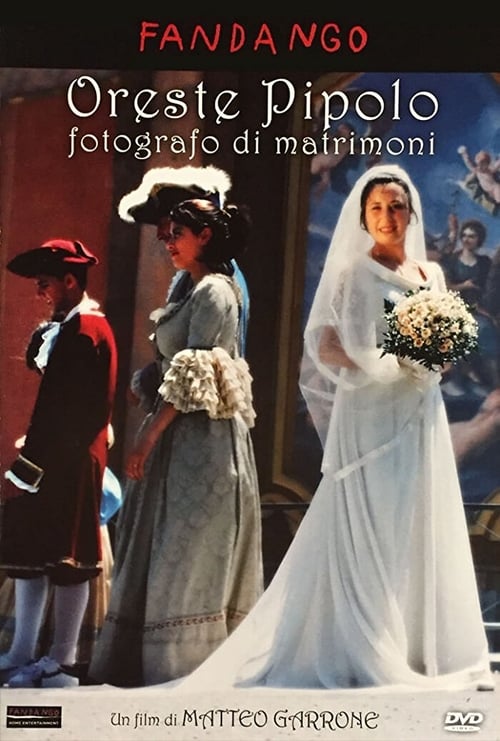
Matteo Garrone’s documentary is a character-driven ethnographic study that prioritizes the authentic depiction of a specific social class in Naples. It captures the psychological impact of maintaining cultural traditions through the lens of a professional photographer. The film excels at documenting the intricate realities of Neapolitan life and the intersection of ritual and consumerism. It offers a nuanced look at how social status is performed through expensive wedding services. However, the film remains anchored in conventional social structures. It lacks explicit representation of LGBTQ+ identities or a diverse racial spectrum, focusing instead on the established demographic and social norms of the time.
Category Breakdown
The film focuses on traditional Neapolitan weddings and does not include any explicit representation of LGBTQ+ identities or narratives that challenge the assumption that everyone is straight or cisgender.
The story centers around Oreste Pipolo, a male protagonist, highlighting his professional role and responsibilities rather than challenging traditional gender roles.
The film provides an ethnographic view of Naples, reflecting the local demographic without exploring the intersection of different racial backgrounds.
It examines the blend of capitalism and ritual in Neapolitan culture, capturing the performance of social status through expensive wedding ceremonies.
There is no depiction of characters with physical or neurodivergent disabilities in the film.
Present on Screen
Limited or Absent
Official Synopsis
In all of Naples, photographer Oreste Pipolo is renowned for his wedding photographs. An album with the heavily accentuated romantic pictures of Pipolo is, like a copious dinner in an expensive hotel, an essential part of a successful wedding. If need be, every self-respecting bridal couple will spend their last savings to be able to engage Pipolo. In ORESTE PIPOLO, the city of Naples and in particular the Neapolitan wedding is the universe where Pipolo holds sway. We see him routinely handling nervous couples and making preparations for the ceremony of yet another pair, meanwhile constantly commanding his assistants. But when his customers have disappeared from sight another Pipolo appears, one who after thirty years in business is fed up with it and really cannot stand to see another bridal couple.
2017
1978

2003
2000

2021
1998

2012
1959
No reviews yet. Be the first to share your thoughts on this movie!
Use the rating form above to leave a star rating and optional review.