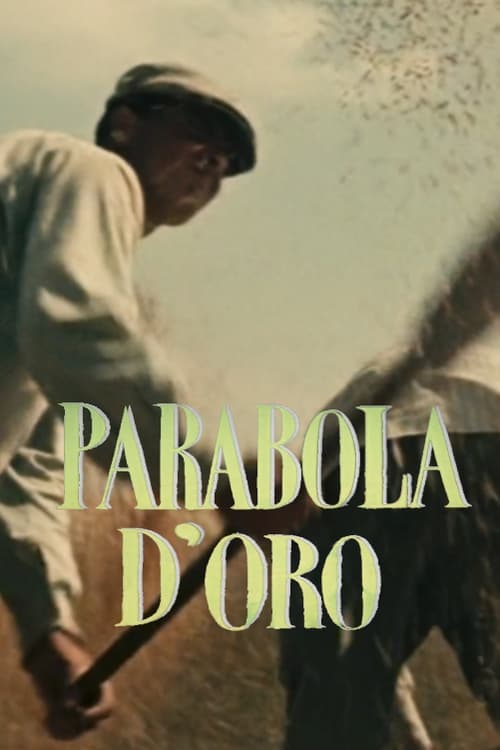
Golden Parable
1955
No user ratings available yet
Representation score: 3.3 out of 10
Representation Score
Limited
1959
Director
Vittorio De Seta
Runtime
21 minutes
Average Rating
No ratings yetNew Showbiz Analysis
Vittorio De Seta’s documentary examines the survival tactics and harsh realities faced by the Italian peasantry. It effectively centers on the struggles of the working class, providing a realistic and unromanticized view of socioeconomic conditions. However, the film’s narrow focus on male labor limits its scope for exploring diverse identities and experiences. While it avoids stereotypes, it does not offer a broad range of cultural or ethnic diversity. Ultimately, the film serves primarily as a critique of socioeconomic issues rather than a detailed exploration of identity. It challenges traditional cinematic approaches by focusing on the quiet struggles of the poor, even if it does not fully embrace contemporary frameworks of diversity.
Category Breakdown
The film focuses solely on rural labor and does not depict any LGBTQ+ identities or same-sex relationships.
The movie centers on a young male character performing manual labor. It does not provide much opportunity for female characters to drive the story or challenge traditional gender roles.
The film portrays a uniform ethnic group typical of its Italian setting. It avoids stereotypes but does not include diverse ethnic backgrounds.
The film offers a subtle critique of economic hardships by showing rural poverty. It highlights the lives of those who are underrepresented rather than idealizing rural life.
The film does not specifically address neurodivergence or physical disabilities. Instead, it focuses on the physical and mental strain of labor.
Present on Screen
Limited or Absent
Official Synopsis
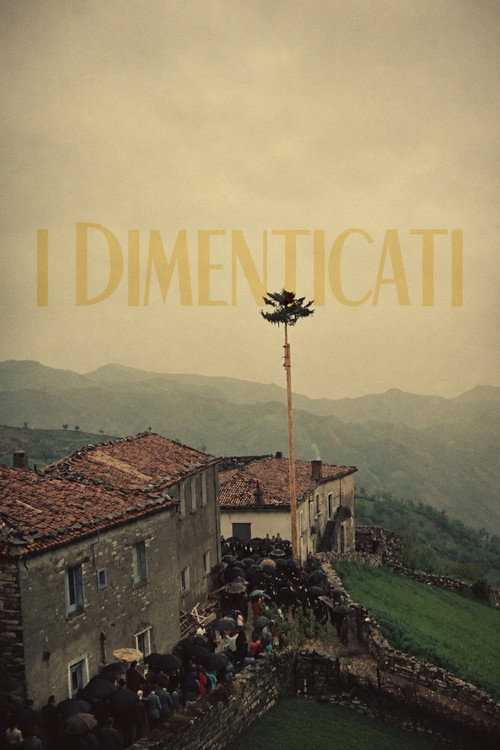
Vittorio De Seta travels to Alessandria del Carretto, a small town in the province of Cosenza, to capture a unique celebration known as the “Feast of Silver.”
1955

2017
1958
1948
2000
1947
1998

1955
No reviews yet. Be the first to share your thoughts on this movie!
Use the rating form above to leave a star rating and optional review.