
Napolitaners
2017
No user ratings available yet
Representation score: 3.7 out of 10
Representation Score
Good
2021
Runtime
8 minutes
Average Rating
No ratings yetNew Showbiz Analysis
This documentary is a highly specialized, auteur-driven work that prioritizes personal, subjective truth over broad demographic representation. It effectively deconstructs how institutional religious and social frameworks impact individuals through a postmodern lens. However, the film's narrow focus on the director's specific upbringing in Naples limits its multi-layered scope. The narrative is deeply localized, which restricts its representation of diverse ethnic and racial backgrounds. Ultimately, the film serves as a meta-cinematic reflection on memory. While it offers psychological depth regarding gender and emotional vulnerability, it lacks overt representation of LGBTQ+ or disabled identities.
Category Breakdown
The film operates as a personal essay on grief rather than a direct exploration of LGBTQ+ identities. It allows for nuanced self-reflection through memories but does not include explicit LGBTQ+ characters or themes.
The story centers on the director's emotional growth through interactions with maternal figures. It provides a deep look into women's ability to drive the story by examining women through psychological complexity rather than simple domestic roles.
The visual elements are predominantly uniform, reflecting the socioeconomic context of Naples. The film focuses on a localized Mediterranean identity without incorporating diverse ethnic narratives or multi-layered casting.
The film critiques traditional institutions by portraying the Catholic Church as a complex, overwhelming presence. It favors a postmodern, personalized understanding of religion over singular religious authority.
The documentary delves into the psychological dimensions of trauma and the emotional burden of grief. However, it does not address visible or systemic disability representation explicitly.
Present on Screen
Limited or Absent
Official Synopsis
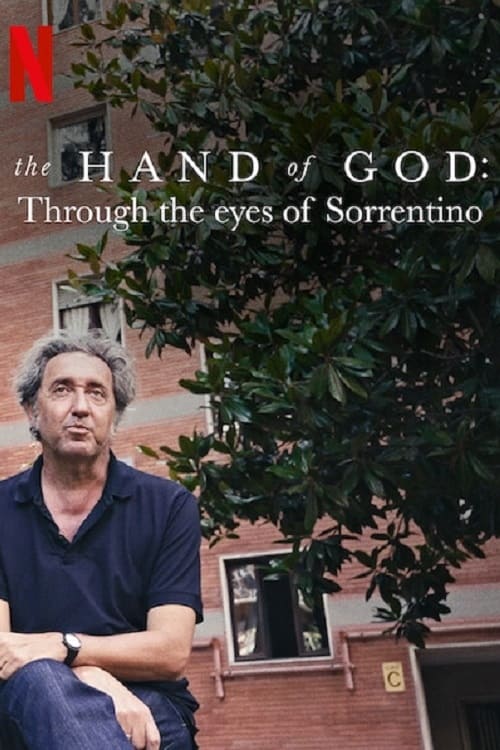
Director Paolo Sorrentino returns to Naples, his hometown, and reflects on his youth in an exclusive tour of the locations of “The Hand of God”.
2017

2022

1998

2020

2001

2015

1999

2020
No reviews yet. Be the first to share your thoughts on this movie!
Use the rating form above to leave a star rating and optional review.