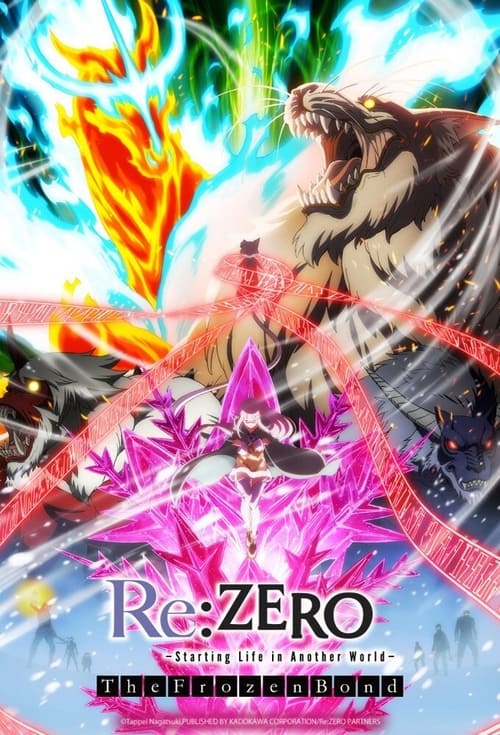
Re:ZERO -Starting Life in Another World- The Frozen Bond
2019
No user ratings available yet
Representation score: 6.5 out of 10

Representation Score
Fair
2021
Director
Hideki Ito
Runtime
52 minutes
Average Rating
No ratings yetNew Showbiz Analysis
The film operates as a traditional genre piece that emphasizes emotional connection and cultural continuity. It successfully presents a balanced cast and intricate interpersonal relationships within its specific setting. However, the narrative does not actively engage with multi-layered issues or challenge systemic norms. Instead, it focuses on stability and transient human connections.
Category Breakdown
The film does not include clear representations of same-sex relationships or non-binary gender identities. It focuses on strong friendships but does not question the assumption that everyone is straight or cisgender.
The movie features both male and female characters in equal measure. The relationships are characterized by mutual respect and companionship, without challenging traditional gender roles.
The cast primarily consists of Japanese actors, reflecting the rural Japanese setting. The story does not incorporate diverse casting or explore multiple racial backgrounds.
The film incorporates elements of Shinto folklore and yokai to explore themes of spiritual coexistence. It emphasizes traditional social harmony without critiquing religious institutions or Western influences.
The film uses themes of physical decline and isolation to drive supernatural mysteries. It does not specifically address neurodivergence or give characters with disabilities a prominent role.
Present on Screen
Limited or Absent
Official Synopsis
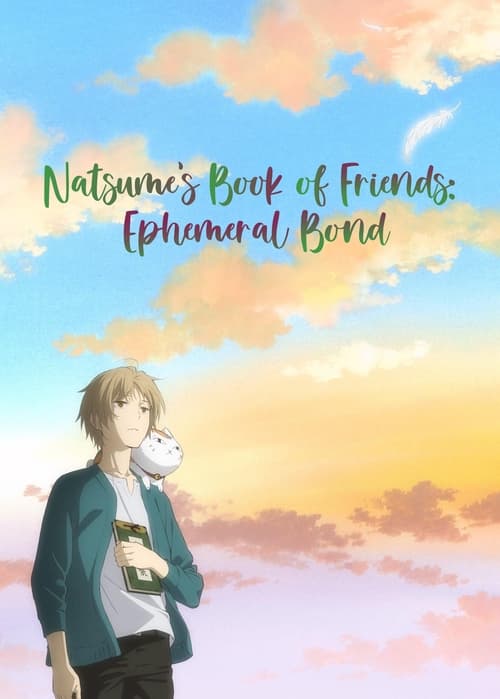
The film will be made up of two stories: "Ishi Okoshi" and "Ayashiki Raihousha." In "Ishi Okoshi," Natsume meets a small youkai called Mitsumi in a forest. Mitsumi is entrusted to wake up the divine youkai "Iwatetsu" from its deep slumber. Mitsumi weighs on Natsume's mind, so he sets out to help Mitsumi with his task. In "Ayashiki Raihousha," a mysterious visitor appears in front of Tanuma. Nearly every day, the visitor visits Tanuma, talks to him a little, and then leaves. Natsume, who knows the visitor is a youkai, worries for Tanuma, but Tanuma enjoys these exchanges with the youkai. The youkai means no harm, but Tanuma's health slowly starts to deteriorate.
2019
2018
2024
2018
2023
2011
2018
2021
No reviews yet. Be the first to share your thoughts on this movie!
Use the rating form above to leave a star rating and optional review.