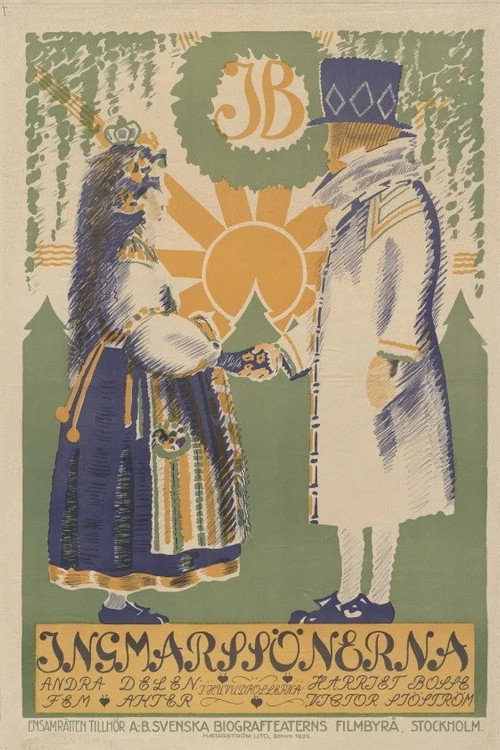
Sons of Ingmar
1919
No user ratings available yet
Representation score: 2.5 out of 10
Representation Score
Minimal
1943
Director
Gustaf Molander
Runtime
108 minutes
Average Rating
No ratings yetNew Showbiz Analysis
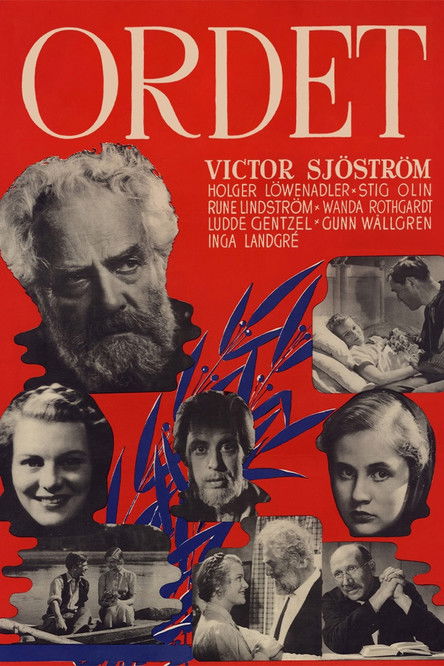
Ordet is a period-specific drama that examines faith and family dynamics. The narrative structure relies on traditional Western foundations, particularly Lutheranism and the established family unit. Since the film upholds the cultural and religious norms of its time, it does not incorporate perspectives that reflect multiple aspects of identity. The story emphasizes maintaining conventional social expectations rather than disrupting them. The absence of progressive representation and the reliance on homogeneous social structures contribute to a low diversity profile.
Category Breakdown
The film does not include any LGBTQ+ characters or narratives. It adheres to the social norms of the 1940s, emphasizing traditional religious and family structures.
Female characters are present but operate within the traditional gender hierarchy. The drama supports the stability of the male head of the household and upholds patriarchal structures.
The cast and setting seem homogeneous, reflecting the demographic and cinematic norms of early 1940s Scandinavia without diverse ethnic representation.
The narrative centers on Lutheran themes and Western religious traditions. It explores faith through traditional lenses without challenging church authority.
There is no indication of how physical or neurodivergent disabilities are portrayed in this work.
Present on Screen
Limited or Absent
Official Synopsis
Swedish film of the Kaj Munk play that was made into a far more famous film by Carl Dreyer in Denmark twelve years later.
1919
1963
1932
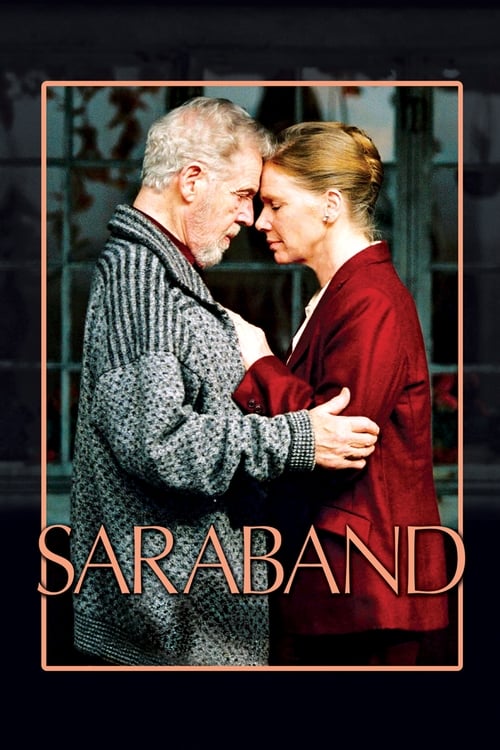
2003
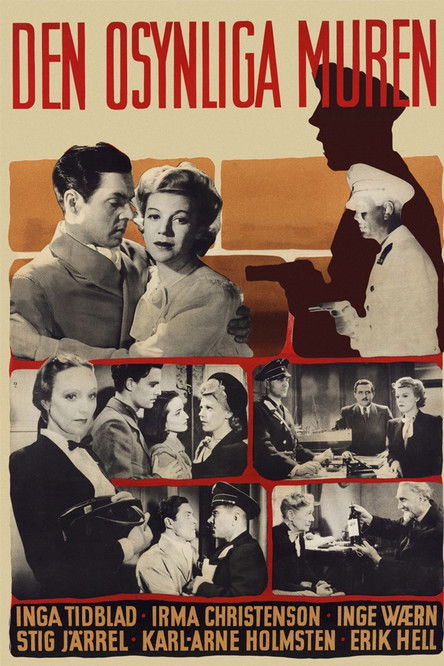
1944
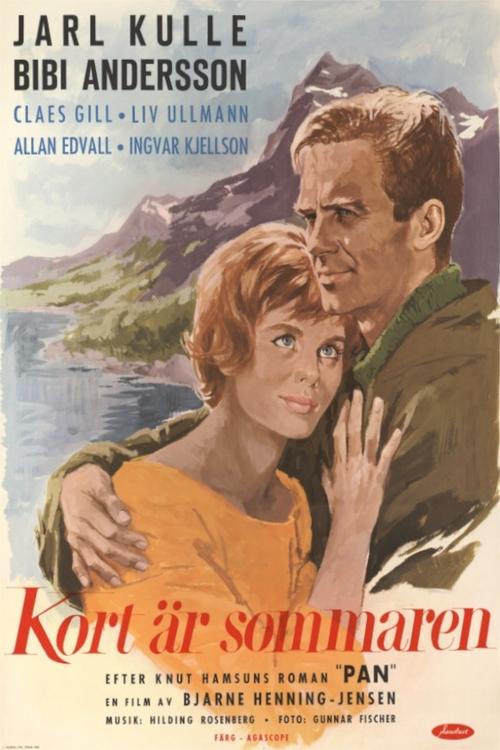
1962
1955
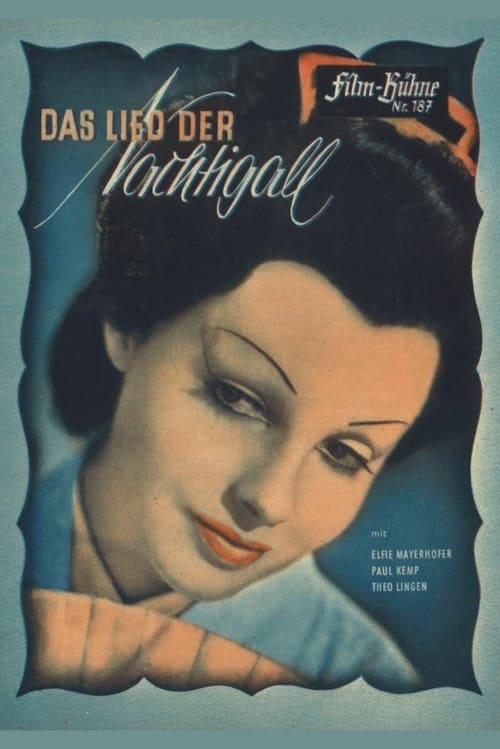
1944
No reviews yet. Be the first to share your thoughts on this movie!
Use the rating form above to leave a star rating and optional review.