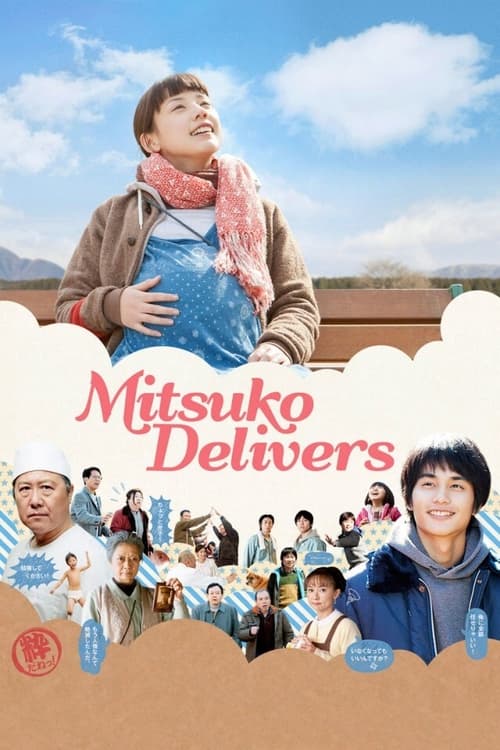
Mitsuko Delivers
2011
No user ratings available yet
Representation score: 5.9 out of 10

Representation Score
Good
2010
Director
Yuya Ishii
Runtime
112 minutes
Average Rating
No ratings yetNew Showbiz Analysis
Sawako Decides excels as a character-driven story of personal empowerment, particularly through its subversion of traditional gender roles. The protagonist's transformation from social isolation to industrial leadership provides a compelling narrative of female empowerment. However, the film's scope is constrained by its focus on heterosexual relationships and a lack of diverse identities. Its localized setting limits its engagement with broader multicultural or LGBTQ+ perspectives. Overall, the film offers a powerful exploration of individual autonomy against traditional social structures, even if it does not fully explore a wide range of identities.
Category Breakdown
The story focuses on the protagonist's past heterosexual relationships. There are no explicit representations of LGBTQ+ identities or narratives involving non-cisgender individuals.
Sawako challenges traditional gender roles by moving from a passive role to a position of industrial leadership. She gains significant control over her actions and decisions.
The film centers on domestic socioeconomic issues in Japan. It does not blend different racial backgrounds and remains focused on its specific cultural context.
The film examines the impact of traditional institutions and the weight of inherited family duties. It explores the tension between individual purpose and rigid societal expectations.
The father's illness introduces themes of physical vulnerability. However, this primarily serves as a catalyst for the protagonist's growth rather than a deeper exploration of disability.
Present on Screen
Limited or Absent
Official Synopsis
After 5 years in Tokyo, 5 part-time jobs, 5 boyfriends, Sawako's life is going nowhere. When her father gets seriously ill, she has to take over his struggling factory. Gradually she becomes the decider of her own life.
2011

2000

2011

2014

1999

2014

2021

2011
No reviews yet. Be the first to share your thoughts on this movie!
Use the rating form above to leave a star rating and optional review.