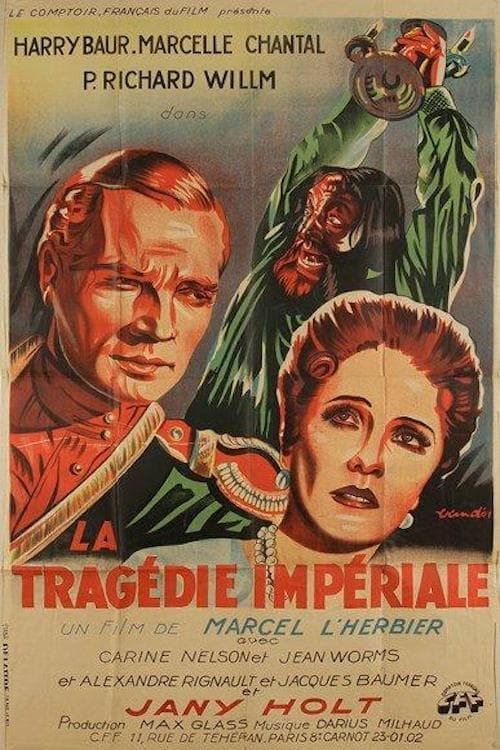
Rasputin
1938
No user ratings available yet
Representation score: 4.6 out of 10
Representation Score
Limited
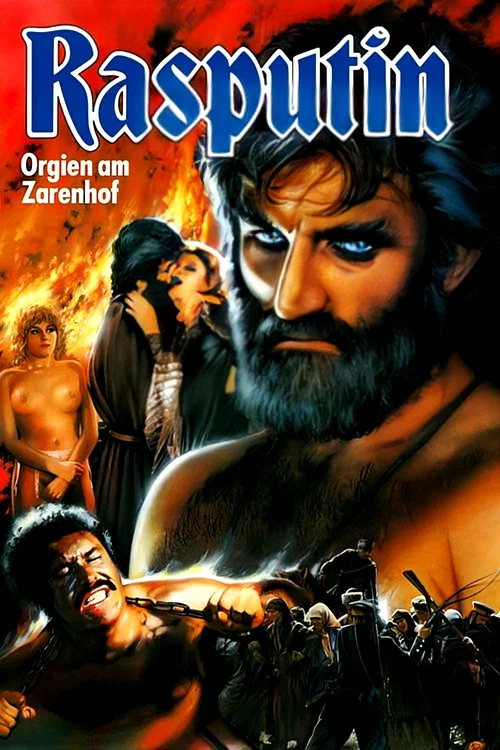
1984
Director
Ernst Hofbauer
Runtime
91 minutes
Average Rating
No ratings yetNew Showbiz Analysis
Rasputin (1984) is a period drama that emphasizes traditional power hierarchies over challenging social norms. It focuses on the fall of the Romanov monarchy through a lens that upholds historical European casting and gender roles. While the film provides a critique of autocratic institutions and the interplay between religion and politics, it lacks complexity in representing diverse identities. The narrative relies on historical archetypes without disrupting the era's homogeneous power structures. Overall, the film serves as a traditional historical study that mirrors the social constraints of its time without broadening its representative scope.
Category Breakdown
There are no LGBTQ+ characters or narratives in the film. The interpersonal relationships are strictly based on the traditional marriage and hierarchy of the Russian Imperial court.
Gender roles follow historical norms. The Tsarina influences events as a mother and consort, but her actions do not challenge traditional gender power structures.
The cast is mostly white and European, reflecting the historical Russian nobility. The film does not use diverse casting to challenge the era's lack of diversity.
The film criticizes autocratic institutions by showing how religious mysticism and state power corrupt each other. The Orthodox Church is portrayed as a force for social upheaval.
The Tsarevich's hemophilia drives the plot. However, his disability is used mainly as a narrative device to advance Rasputin's influence rather than exploring his personal experiences or ability to act.
Present on Screen
Limited or Absent
Official Synopsis
The monk Rasputin is summoned by the Russian nobility to use his healing powers to heal the dying heir to the Russian Empire.
1938
1996
1967
2013

2010

1981
1932
2012
No reviews yet. Be the first to share your thoughts on this movie!
Use the rating form above to leave a star rating and optional review.