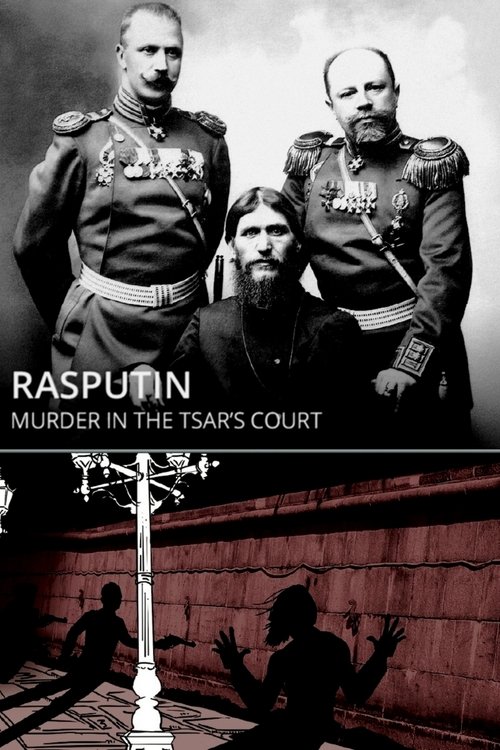
Rasputin: Murder in the Tsar's Court
2016
No user ratings available yet
Representation score: 1.8 out of 10
Representation Score
Limited
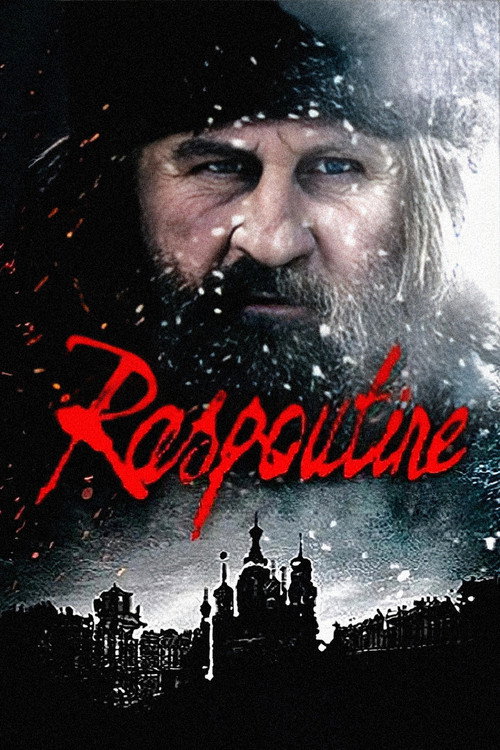
2013
Director
Josée Dayan
Runtime
103 minutes
Average Rating
No ratings yetNew Showbiz Analysis
Rasputin (2013) functions as a traditional historical biography focused on reconstructing a specific era of political and religious volatility. The film prioritizes period aesthetics and classical narrative structures over challenging social hierarchies. While the film offers a nuanced look at the erosion of imperial institutions and the influence of religious mysticism, it lacks complexity in reflecting multiple aspects of identity. The storytelling remains aligned with conventional historical clichés rather than challenging contemporary norms.
Category Breakdown
The film focuses on the political and religious tensions of the Romanov era. It does not include any non-cisgender identities or same-sex relationships, sticking to the assumption that everyone is straight and cisgender.
Tsarina Alexandra exerts significant influence through her reliance on Rasputin to navigate political crises. However, her power remains tied to traditional domestic and maternal roles within the monarchy.
The production reflects the historical demographics of the Russian aristocracy, featuring a primarily European cast. It depicts socioeconomic divides between nobility and peasants without changing the historical context.
The narrative explores the breakdown of imperial authority and the destabilizing influence of religious mysticism. The focus on the Russian Orthodox Church prevents a higher score in secular themes.
There is no discernible evidence regarding the portrayal of physical or neurodivergent disabilities within the film.
Present on Screen
Limited or Absent
Official Synopsis
A group of Russian noblemen want to maintain the monarchy and plan to kill Rasputin.
2016

1984

2010
1938

2007
1996

2009

2002
No reviews yet. Be the first to share your thoughts on this movie!
Use the rating form above to leave a star rating and optional review.