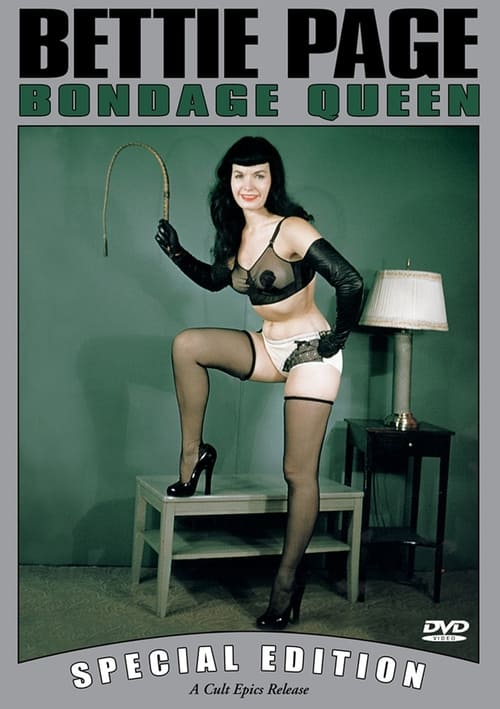
Bettie Page: Bondage Queen
1998
No user ratings available yet
Representation score: 5.4 out of 10
Representation Score
Fair
1998
UnratedDirector
Irving Klaw
Runtime
97 minutes
Average Rating
No ratings yetNew Showbiz Analysis
This documentary serves as a historical archive of the 1950s burlesque era. While it lacks modern identity-based narratives, it offers a significant look at how Bettie Page subverted mid-century gender expectations through her assertive performance style. The film's diversity is heavily constrained by the period-specific nature of its source material. The lack of racial integration and explicit LGBTQ+ representation reflects the homogeneous casting and social norms of the 1950s. Ultimately, the work highlights women's ability to drive the story and individualistic expression, providing a window into a subculture that challenged the era's conservative moral frameworks.
Category Breakdown
The film doesn't include explicit contemporary LGBTQ+ identities due to its 1950s setting. However, the subject's playful and non-submissive performance style often challenges the assumption that everyone is straight or cisgender.
The footage challenges 1950s gender hierarchies by emphasizing women's ability to drive the story and physical autonomy. Bettie Page's characters command the screen through humor and assertive, self-directed femininity.
The content reflects the era's lack of racial integration. There is no evidence of a non-white majority cast or significant racial blending within the archival footage.
The film celebrates pin-up subcultures that existed on the periphery of mainstream religious respectability. This focus implicitly critiques the rigid social structures of the mid-20th century.
There is no information regarding the depiction of physical or neurodivergent disabilities. The compilation focuses on dance and pin-up performances without addressing these themes.
Present on Screen
Limited or Absent
Official Synopsis
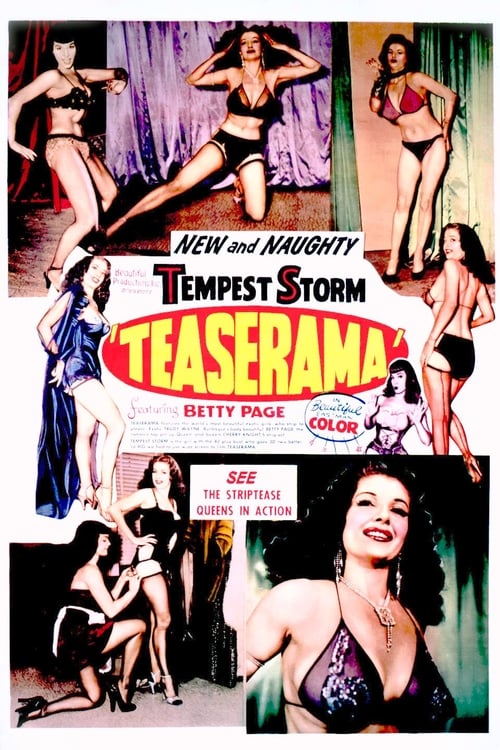
Bettie Page was the top pin-up queen of the 50s and developed a cult following in the 80s. She is known for her distinctive hair style and is reputed to be the most photographed pin-up model of all time. This compilation shows Bettie's playful side, featuring her scenes from the full-length burlesque films Striporama (1953), Varietease (1954) and Teaserama (1955) and a dozen complete short films from the 50s including Tantalizing Betty Dances Again, Tambourine Dance, Joyful Dance by Betty, Betty's Hat Dance, Dream Dance by Betty, Dance of Passion, Betty's Clown Dance Part 2, Betty's Lingerie Tease Dance, Betty's Second G-String Dance, Betty's Fireplace Dance, and Pin-Up Beauties Fight (with June King).
1998
2006
2013
2019
1955
2016
1992

2002
No reviews yet. Be the first to share your thoughts on this movie!
Use the rating form above to leave a star rating and optional review.