
El profe
1971
No user ratings available yet
Representation score: 1.9 out of 10
Representation Score
Fair
1976
Director
Miguel M. Delgado
Runtime
109 minutes
Average Rating
No ratings yetNew Showbiz Analysis
The film functions mainly as a social commentary on class and institutional effectiveness. It excels in depicting the struggles of the working class against a frustrating government bureaucracy. However, the film lacks multi-layered complexity. It misses opportunities to explore gender or LGBTQ+ identities, sticking to traditional cinematic conventions of the Mexican Golden Age. Ultimately, the film succeeds by promoting community empowerment over preserving state hierarchies, even if its social scope remains somewhat limited by modern standards.
Category Breakdown
The film does not include explicit LGBTQ+ characters or stories. It focuses on class-based social issues rather than exploring sexual identity or questioning the assumption that everyone is straight or cisgender.
The story centers around Mateo Melgarejo and follows him through patriarchal systems. It does not show the overturning of traditional gender roles or diverse representations of masculinity.
The film highlights the lives of the working-class Mexican population in urban settings. By focusing on the urban poor in Santo Domingo, it acknowledges their real-life experiences.
The narrative criticizes centralized power and institutional authority. It emphasizes communal solidarity and local control over individualistic upward mobility and state hierarchies.
The film does not address any visible or invisible disabilities as central plot points or character traits.
Present on Screen
Limited or Absent
Official Synopsis
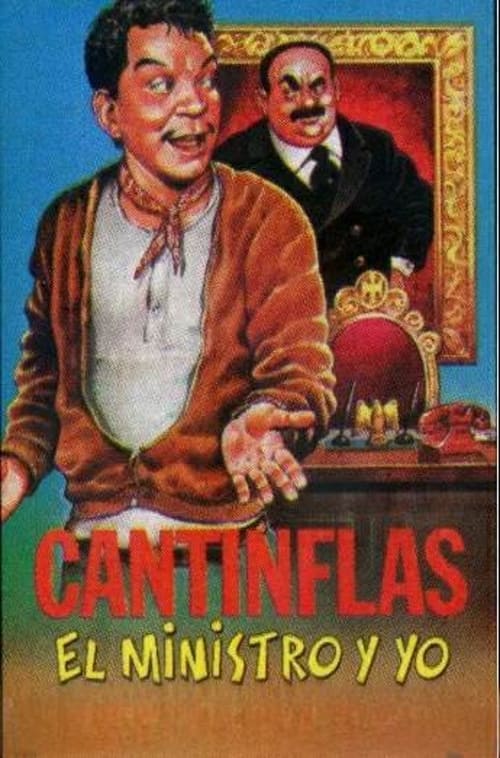
Mateo Melgarejo is a notary public and scribe for the illiterate people of Santo Domingo, a neighborhood north of Mexico City's Zócalo. A squatter friend asks for his help in negotiating with the land census bureau to regularize a land title. After a great deal of frustration with the government bureaucracy, he writes a letter to the cabinet minister, earning an audience with him. The minister hires Melgarejo to reform the bureau, and the appointee proceeds to lecture the officials on their duties in a democratic society. At the end, he gives up the post, returning to Santo Domingo to help its poor residents.
1971

1992

1967
1999
1981
2006

1967
1991
No reviews yet. Be the first to share your thoughts on this movie!
Use the rating form above to leave a star rating and optional review.