
Black Christmas
1974
No user ratings available yet
Representation score: 5.0 out of 10
Representation Score
Minimal
1979
RDirector
Fred Walton
Runtime
97 minutes
Average Rating
No ratings yetNew Showbiz Analysis
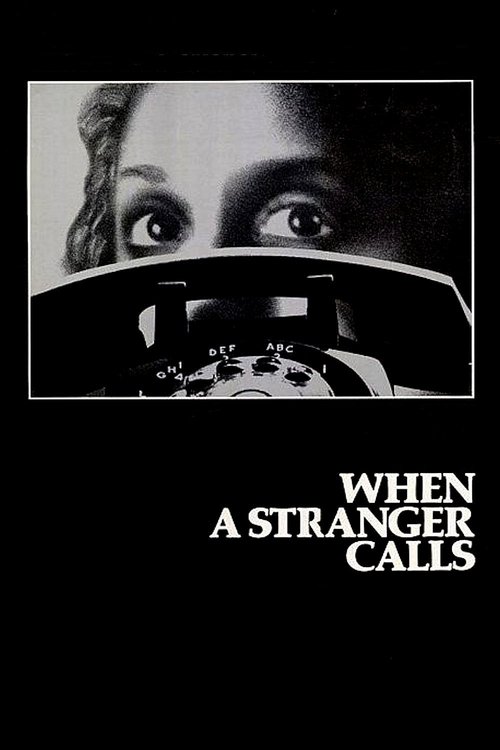
When a Stranger Calls is a foundational slasher film that emphasizes suspense over social complexity. While it centers on a female protagonist, the narrative stays within the traditional frameworks of the late 1970s. The film focuses on a narrow, homogeneous perspective. By highlighting a middle-class, white experience in a suburban setting, it lacks the depth or critique found in more progressive films. Ultimately, the movie upholds the status quo of its era. It relies on established genre clichés and a single demographic viewpoint without challenging conventional power dynamics or social hierarchies.
Category Breakdown
The film does not include any characters with LGBTQ+ identities. The social world assumes everyone is straight and cisgender.
Jill Johnson, the main character, has a significant role in the story but her actions are centered around domestic duties and survival. She does not challenge traditional gender roles.
The cast is very uniform, mainly featuring white, middle-class characters. The setting emphasizes a traditional, Anglo-centric social norm without much ethnic diversity.
The story follows conventional Western social structures without critiquing religion or the nuclear family. It focuses on personal crises rather than institutional issues.
There are no depictions of physical or neurodivergent disabilities. The main characters and story arcs do not include any representation of disability.
Present on Screen
Limited or Absent
Official Synopsis
A student babysitter has her evening disturbed when the phone rings. So begins a series of increasingly terrifying and threatening calls that lead to a shocking revelation.
1974
1988

2006

1978
1993
1964

2011
1971
No reviews yet. Be the first to share your thoughts on this movie!
Use the rating form above to leave a star rating and optional review.