
Black Christmas
1974
No user ratings available yet
Representation score: 5.0 out of 10
Representation Score
Fair
2011
RDirector
Matthew Parkhill
Runtime
92 minutes
Average Rating
No ratings yetNew Showbiz Analysis
The film operates as a traditional psychological thriller that prioritizes genre clichés over social critique. While it avoids some common pitfalls by centering a woman in a high-stakes professional role, it remains largely narrow in its scope. The narrative lacks complexity in representing multiple aspects of identity, offering little representation for LGBTQ+ individuals or diverse racial groups. This results in a story that feels culturally homogeneous and focused on a singular, conventional experience. Ultimately, the film's strengths lie in character's ability to drive the story rather than systemic critique. It provides a competent female lead but fails to challenge established social or cultural hierarchies.
Category Breakdown
The film does not include LGBTQ+ identities or non-straight relationships. The story centers on a protagonist dealing with divorce within a traditional framework.
Mary Kee is a female protagonist with professional authority. She demonstrates a significant role in driving the story and intellectual labor during a psychological crisis.
The film features a homogeneous cast without evidence of a diverse or multicultural ensemble. It focuses on a localized, individual struggle within a standard urban setting.
The story explores the isolation of urban life and the psychological toll of professional roles. It lacks a significant critique of Western institutions or traditional family structures.
While the protagonist faces psychological distress, there is no nuanced portrayal of neurodivergence or physical disability. Mental health elements serve the thriller's tension rather than identity exploration.
Present on Screen
Limited or Absent
Official Synopsis
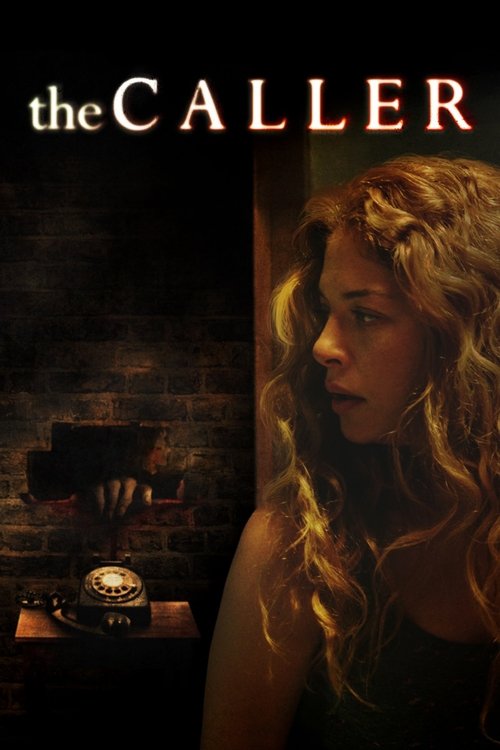
Troubled divorcee Mary Kee is tormented by a series of sinister phone calls from a mysterious woman. When the stranger reveals she's calling from the past, Mary tries to break off contact. But the caller doesn't like being ignored, and looks for revenge in a unique and terrifying way...
1974
1979
2006

1960
2008

1962
2014
2007
No reviews yet. Be the first to share your thoughts on this movie!
Use the rating form above to leave a star rating and optional review.