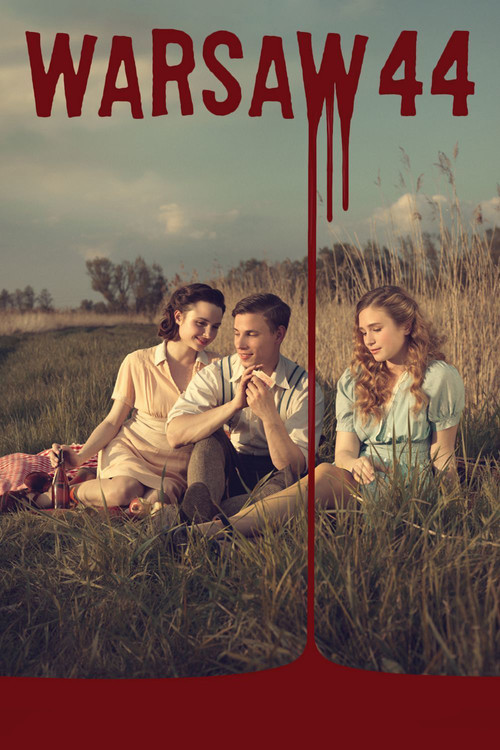
Warsaw 44
2014
No user ratings available yet
Representation score: 6.4 out of 10
No Poster Available
Representation Score
Limited
1979
Director
Janusz Morgenstern
Average Rating
No ratings yetNew Showbiz Analysis
Godzina W is a work of historical realism that prioritizes the documentation of a specific national trauma. The narrative architecture is built upon the tension of a doomed military endeavor, which naturally limits the space for contemporary identity politics. The film succeeds in showing women as active participants in the resistance rather than passive victims. However, the strict adherence to the historical setting and the focus on a specific ethnic struggle limit broader characters who reflect more than one aspect of diversity. Ultimately, the film functions as a reconstruction of a specific era's socio-political constraints. It captures the gravity of the Warsaw Uprising without attempting to subvert the social norms of the period.
Category Breakdown
The film focuses entirely on the high-stakes survival of a military unit. There are no depictions of non-straight relationships or queer subtext present in the narrative.
Women are portrayed as essential, capable agents serving as couriers in high-risk roles. However, the depiction remains largely tied to the wartime hierarchies of the 1944 setting.
The cast is ethnically homogeneous, reflecting the Polish population during the occupation. This lack of racial diversity stems from the historical specificity of the Warsaw Uprising.
The film frames the struggle through organized national resistance. Catholicism serves as a cultural backdrop rather than a central moral compass, reflecting a secularized historical realism.
Physical and psychological trauma are depicted as markers of wartime brutality. The narrative focuses on the platoon's collective movement rather than individual experiences of disability.
Present on Screen
Limited or Absent
Official Synopsis
On August 1, 1944, Warsaw holds its breath as Home Army couriers spread word that “W-hour” is at 17:00. A platoon under “Czarny” must assault German barracks without the expected backup—an order they follow at the risk of collective suicide.
2014
1957
2013
2016
2021

2007
2024
1979
No reviews yet. Be the first to share your thoughts on this movie!
Use the rating form above to leave a star rating and optional review.